Every parent aspires to raise a child who chooses to read — one with a broad literary appetite, who eagerly shares, discusses, and debates what they read. They imagine a child who writes, journals their thoughts, quotes with purpose, and leads a fulfilling life enriched by reading and writing.
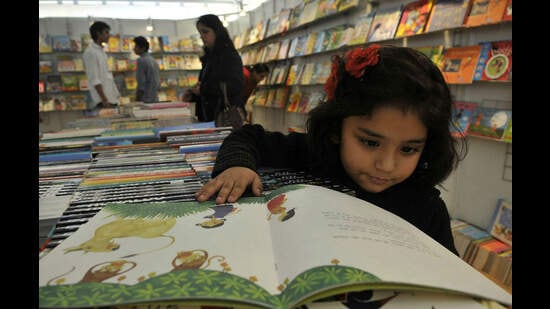
The fundamental question, then, is how we can nurture such readers on a larger scale — especially in a world where political, social, and economic systems are in flux. Literary engagement
Every parent aspires to raise a child who chooses to read — one with a broad literary appetite, who eagerly shares, discusses, and debates what they read. They imagine a child who writes, journals their thoughts, quotes with purpose, and leads a fulfilling life enriched by reading and writing.
The fundamental question, then, is how we can nurture such readers on a larger scale — especially in a world where political, social, and economic systems are in flux. Literary engagement plays a pivotal role in developing emotional intelligence, cognitive skills, empathy, cultural awareness, and language proficiency. It lays the groundwork for lifelong learning and creates a safe space where children can challenge, change, confirm, and confront their thinking —fostering a critical awareness that reaches far beyond the page.
Reading, therefore, must not be seen merely as an academic exercise. It is an emotional and intellectual journey — one that requires intention, commitment, and community. When parents and educators embrace this perspective, they empower children with the tools to shape their own futures.
It All Begins with Reading Aloud
It begins with a whisper — the soft voice of a parent, rising and falling like a lullaby, their face animated with wonder, showing how words can dance with rhythm and stir the heart. This tender ritual becomes the first step on a child’s journey into reading. In the warmth of that shared moment, the parent’s joy in reading aloud becomes a doorway, gently opening into a world where stories bloom and imaginations take flight.
Aadidev was just three months old when his mother made a pivotal decision: she joined the local library. Determined to create an enchanting world of stories around him, reading aloud became a cherished ritual. Their afternoons and evenings transformed into moments brimming with imagination and connection, each turned page revealing the beauty of language. This nurturing practice laid a strong foundation for his literacy journey and cultivated a lasting love for stories.
As Aadidev grew, his mother gently expanded his world. She introduced him to a variety of genres — whimsical tales, thrilling adventures, and poignant, realistic fiction. She encouraged him to visualize each scene, ask questions, and engage deeply with the narratives. By the time he entered kindergarten, he wasn’t just familiar with words — he was eager to dive into the adventures they held, ready to explore the infinite worlds books had to offer.
Actionable Steps to Build Reading Routines in the Early Years
1. Establish a Daily Reading Routine
Set aside a specific time each day to read. Reading doesn’t have to be reserved only for bedtime — it can be woven into everyday moments. Short reading sessions during mealtimes, or before and after naps, add joy and strengthen the bond between child and book. Consistency helps children understand that reading is a natural and essential part of their day.
2. Create a Cosy Reading Space and Encourage Silent Reading
Designate a warm, inviting reading nook with good lighting and soft furnishings. A dedicated space encourages children to see reading as a comforting and enjoyable experience. Also, consider setting aside “silent hours” during the day for independent picture reading and quiet browsing through both familiar and new books.
3. Diversify Reading Material
Introduce children to a wide variety of genres and formats — picture books, fiction, nonfiction, and even audiobooks — to keep their curiosity alive and their imaginations engaged.
Gentle Support Through Continued Read-Alouds
As children step into the world of reading, parents and educators become gentle guides, lighting the path toward independence. With the gift of time, steady practice, and carefully chosen stories, they offer more than support — they open doors. Through continued read-alouds, adults breathe life into words, weaving rhythm, emotion, and meaning into every page. In doing so, they show children that the world of books is not just within reach — it is theirs to claim.
Uzma has developed a genuine love for discovering new stories, thanks to her mother’s commitment to ensuring she reads eight to nine library books each week. This consistent reading habit has helped her build strong comprehension skills, especially when it comes to understanding diverse characters and simple plot structures.
By the end of second grade, Uzma had already mastered several early chapter book series such as Heidi Heckelbeck, Captain Awesome, Sadiq, Cam Jansen, Horrible Harry, and more. As a library member, she enjoys access to a wide range of characters and genres, and is gently supported by her library community to connect with these characters as if they were trusted friends. With her parents continuing the nightly ritual of reading aloud, Uzma understands that independent reading and read-alouds are not separate acts, but beautifully complementary. She still delights in listening to her parents read more sophisticated texts aloud, and they remain deeply involved in nurturing her love of stories.
This kind of collaboration nurtures a child’s self-confidence and deepens their relationship with literature. At this stage, children need practice with fluency and automaticity in reading — after all, skilled readers can recognize words in about 1/20th of a second. Transitioning from leveled readers to chapter books is essential; as automaticity improves, children are free to engage more deeply with meaning, inference, and reflection.
Strategies for Parents of 7–9-Year-Olds
For parents navigating this crucial age group, here are some simple strategies to maintain momentum and deepen engagement:
1. Share Stories During Quiet Moments
Bedtime and post-school downtime are ideal for reinforcing language skills and bonding.
2. Establish a Daily Reading Schedule
Balance read-aloud sessions in the evening with independent reading during the day.
3. Incorporate Reading into Daily Routines
Encourage children to read after school or during quiet periods, helping them build a consistent reading habit.
4. Create a Family Reading Hour
Dedicate weekly time for the whole family to read together, reinforcing reading as a shared, valued activity.
By actively engaging in both reading aloud and independent reading, children are empowered to become lifelong readers — building confidence, curiosity, and stamina throughout their academic journeys and beyond.
From Foundation to Purpose and Joy
Reading is not just about joy or escape — it is also a powerful tool for reflection, growth, and understanding. In today’s complex world, we must move beyond formulaic reading and embrace deeper, more intentional literary engagement —reading that expands our grasp of genres, social issues, and the diversity that shapes human experience. In this journey, parents become true partners. Read-alouds evolve into provocations — sparking meaningful conversations that allow families to reflect, debate, and explore both individual and shared beliefs. This is a time that calls for authentic partnership between parents and children. Read-alouds can foster thoughtful dialogue and spirited debate, as children begin to voice opinions, challenge assumptions, and reflect more deeply on their thinking.
Devika, a sophisticated reader, finds great joy in her read-aloud sessions with her parents. These moments have become opportunities for deep discussion. Together, they explore essential themes like grief, bullying, and immigration — topics rooted in both current realities and historical contexts. Her family also reads aloud favorite passages from their own books, using them to spark meaningful conversations.
At 13, Amaya, Riaan, Samaira, Laghima, Prisha, and Ira gather for their book club, where they share character monologues from George Orwell’s Animal Farm with their parents. Their families, reminiscing about their own early experiences with the book, share anecdotes and questions that prompt deeper thinking about how power and politics shift across time. These shared experiences spark rich dialogue around themes of power, ethics, manipulation, and greed.
As literacy researcher Nancie Atwell reminds us, “Books open the doors to new ideas and experiences, allowing children to see the world through others’ eyes.”
The pre-teen and early teen years present a powerful opportunity to deepen literary experiences. Here are a few final ideas:
•Plan Reading-Focused Vacations: Dedicate weekends or holidays to reading as a family. This models a lifestyle that values books and shared intellectual curiosity.
•Host Book Discussions: Organise informal book clubs where children can explore characters, themes, and opinions with friends or extended family.
•Connect Books to Life: Talk about how books relate to current events or personal experiences. This helps children find relevance and meaning in what they read.
•Set Challenges and Celebrate Progress: Introduce reading goals with small rewards. This adds excitement and a sense of achievement to the reading journey.
A Final Word: Opening Doors That Last a Lifetime
As we nurture a love of literature in children, we witness a remarkable transformation — from passive listeners to active thinkers who engage with stories and ideas that shape how they see the world. The shared act of reading fosters bonds that last far beyond childhood. In a world of fleeting digital distractions, books remain enduring companions. They offer children the rare gift of slowing down, thinking deeply, and connecting meaningfully.
As Nell K. Duke wisely notes, “The most valuable asset we can give children is not knowledge itself, but rather the capacity to learn, the curiosity to know, the confidence to ask, and the power to satisfy their own intellectual hunger. This all begins with literacy.
When we open a book with a child, we open a door to possibility. We offer not just stories — but the wisdom, joy, and strength to navigate the world with courage and compassion. Every child deserves to build a rich reading life — because within the pages of a book lies the power to grow, imagine, and become.
Literary strategist Dalbir Kaur is founder, One Up Library in Delhi and Gurugram.
One Subscription.
Get 360° coverage—from daily headlines
to 100 year archives.
Archives
HT App & Website