
 E-Paper



HT Picks; New Reads
This week’s reading list includes the memoir of an Olympic equestrian, a work of creative non-fiction that wonders if the CPI(M) will ever recover in West Bengal, and a look at the three Hindi film heroes who have dominated a changing nation in the last three decades

 Prefer HTon Google


An Olympic Journey
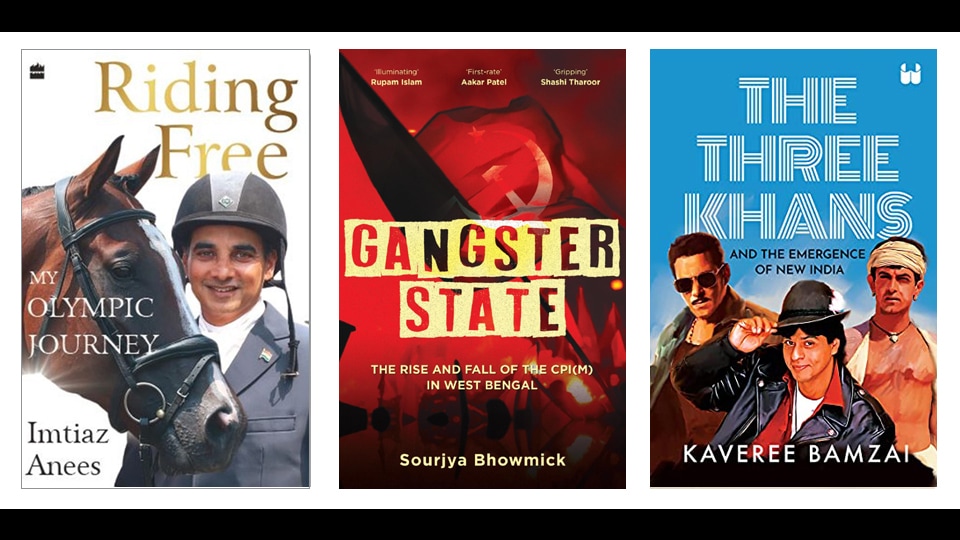
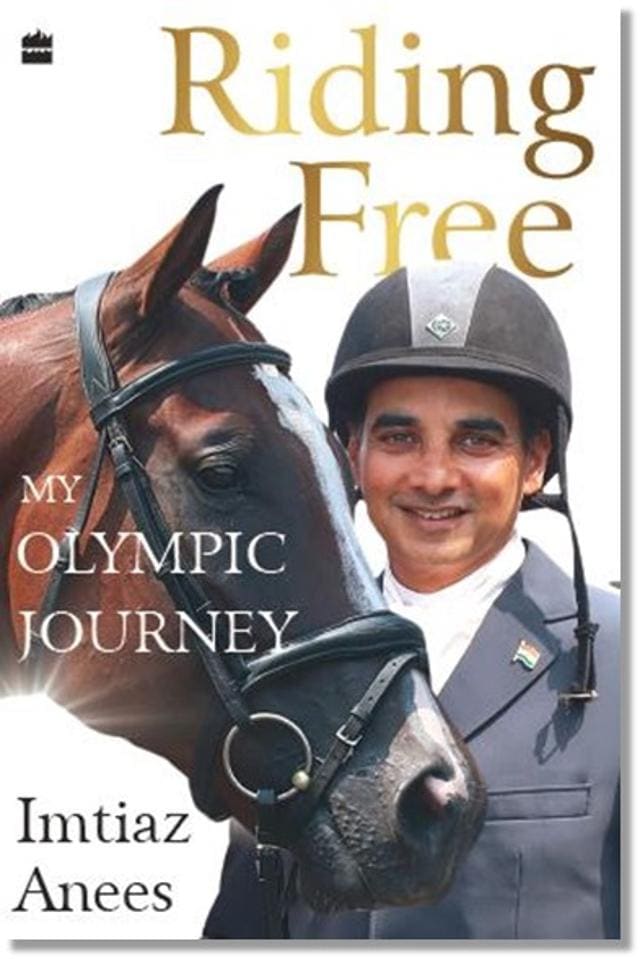
This is the story of a young boy with an impossible dream – competing at the Olympics. From the age of four, Imtiaz Anees took to horse-riding, which soon became a lifelong passion. His first competitive win was at the age of six and he eventually went on to win multiple equestrian events both nationally and internationally. Imtiaz was the only Indian rider to complete an equestrian three-day event at the Olympics in Sydney in 2000, at the age of 30.
In Riding Free, he retraces the major milestones of his riveting twenty-year journey. The stories he tells are heartfelt, emotional and inspirational; a way to give back the enormous goodwill and help he received from all kinds of people. Behind Imtiaz’s success are also the struggles and setbacks that pushed him to work harder and achieve peak performance. In a sport where the result depends on both man and animal, the deep bond he shares with his horses will leave animal lovers spellbound. This is a story that will inspire every athlete.*
The Rise and Fall of the CPI(M)in West Bengal
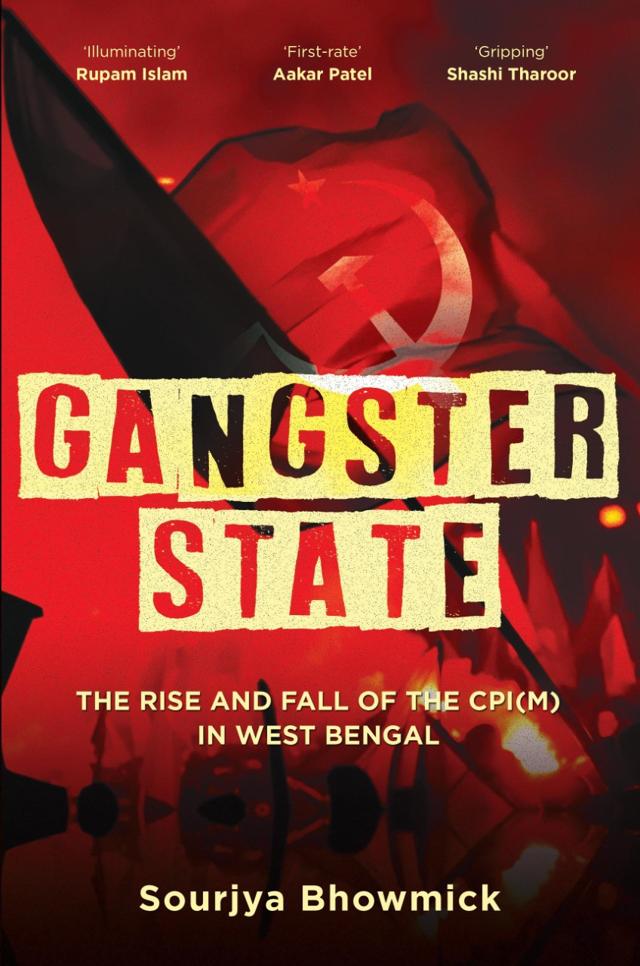
After reigning supreme in West Bengal for 34 years, how did the Communist Party of India (Marxist) end up on the fringes of the political arena?
Lured by the unrestricted power of the CPI(M), Presidency College scholar Rajat Lahiri joins its student wing and trains to become one of its foot soldiers. On achieving full-fledged membership, he does not hesitate to get his hands dirty for a regime marred by corruption and violence. The arrival of a strong contender in Mamata Banerjee paves the way for fervid protests and their brutal suppression by the state. With the situation spiraling out of control and public support fading, the stage is set for the Singur movement and violence in Nandigram.
After witnessing the party’s historic defeat in the 2011 Legislative Assembly election, a disillusioned Rajat leaves Calcutta, only to return as a journalist covering the gradual and thorough decimation of the CPI(M) over the following decade.
In this compulsive work of creative non-fiction, political journalist Sourjya Bhowmick explores the burning question: will the CPI(M) ever recover from the 2021 Assembly election, or will it be pushed into permanent oblivion by the formidable Trinamool Congress and the relentless BJP?*
The troika that heralded change
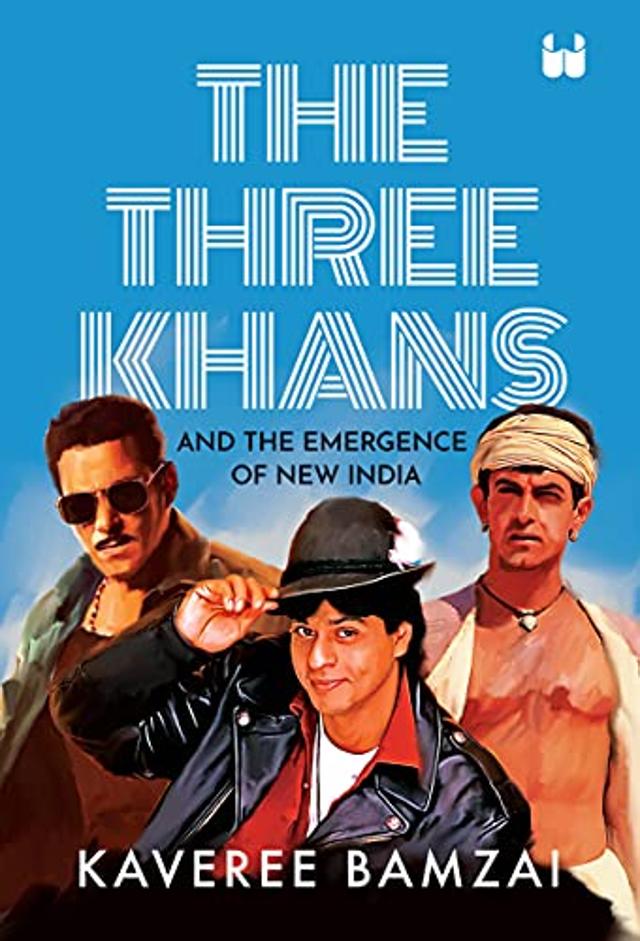
When the Angry Young Man era was on its last legs, three young men entered the world of Hindi films heralding a change that audiences sought and found in the 1988 teen romance Qayamat Se Qayamat Tak, starring Aamir Khan. The film’s success set the stage for another blockbuster, Maine Pyar Kiya, a year later starring Salman Khan. Meanwhile a third young actor, Shah Rukh Khan, emerged as the star of Fauji, a TV series.
In the coming years, Hindi films changed dramatically, much of it spearheaded by the troika. The last three decades have also seen change in India with the unleashing of caste mobilization, the emergence of a post-liberalisation open market and the rise of an assertive Hindutva. In addition, these decades have witnessed the growth of multiplexes, the emergence of digital streaming, noisy television news channels and an opinionated and vibrant social media.
While exploring the political and social circumstance in which the Khans rose to fame, The Three Khans and the Emergence of New India maps the movies that marked the turning points in their careers and examines their social and emotional impact on the Indian audience.
Deeply insightful without being pedantic Kaveree Bamzai’s book is a masterly examination of the role popular culture plays in our lives.*
*All copy from book flap.


