2021 was a productive year for reading. Among the most interesting books I read were on the states of Tamil Nadu and Assam before the state elections. But my picks of the year are two books which I believe have enhanced my knowledge and understanding of India’s intellectual traditions a great deal.
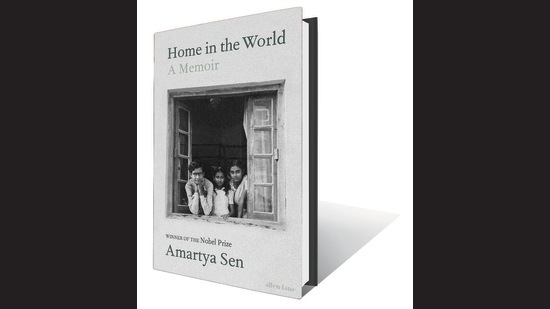
The first on the list is Amartya Sen’s memoir Home in the World. Sen is among the tallest living intellectuals today and the book gives us an opportunity to see how he became who he is. Two things stand out -- the environment and the times Sen grew up in mattered a lot. His school education was as much about knowing India’s cultural heritage and Sanskrit verses from his grand father as it was about learning the regular subjects. His college education in economics benefitted as much from his excellent teachers and generous book shop owners as it did from his brilliant mind and hard work. His career in research and the path breaking insights he developed would not have been possible had he not been willing to transcend the boundaries of ideology and subjects. Sen’s interests are equally spread in the realms of economics and philosophy, something today’s model churning economists would be scandalised about. The book is not just an account of the intellectual that Sen is; it is also an explanation of why there will perhaps be only one Amartya Sen.
2021 was also the year I’ve rediscovered fiction — I find it impossible to read fiction unless I’m on vacation — and even better, Hindi fiction. The vested interest should be declared upfront. I’m trying is to understand society and politics in the “Hindi belt” through literary writing. Among the 10 or so novels I’ve read so far, Asgar Wajahat’s Kaisi Aag Lagai (It’s the first in a trilogy) stands out in its political sharpness and ability to capture contradictions in what are the complicated dialectics of the personal is the political.
{{/usCountry}}2021 was also the year I’ve rediscovered fiction — I find it impossible to read fiction unless I’m on vacation — and even better, Hindi fiction. The vested interest should be declared upfront. I’m trying is to understand society and politics in the “Hindi belt” through literary writing. Among the 10 or so novels I’ve read so far, Asgar Wajahat’s Kaisi Aag Lagai (It’s the first in a trilogy) stands out in its political sharpness and ability to capture contradictions in what are the complicated dialectics of the personal is the political.
{{/usCountry}}Set in AMU and the towns and villages of Uttar Pradesh, the novel is a fascinating account of politics and society across the broad spectrum of Left to Right in the 1960s. Among other things, it also tells you why our universities failed to produce intellectuals like Sen.