
 E-Paper



Sleep among the Stacks: The literary lure of Gladstone’s Library
Gladstone’s Library, founded in 1894 by four-time British PM William Ewart Gladstone, is among the rare places where you can spend the night surrounded by books

 Prefer HTon Google


Spending the night at a museum might be every culture lover’s fantasy. After all, it’s been immortalised by the movies as an after-hours adventure where history comes alive. But for book lovers, there’s an even better dream: falling asleep just steps away from centuries-old shelves, waking to sunlight filtering through stained-glass windows, and sipping your morning tea in a library built to be lived in.
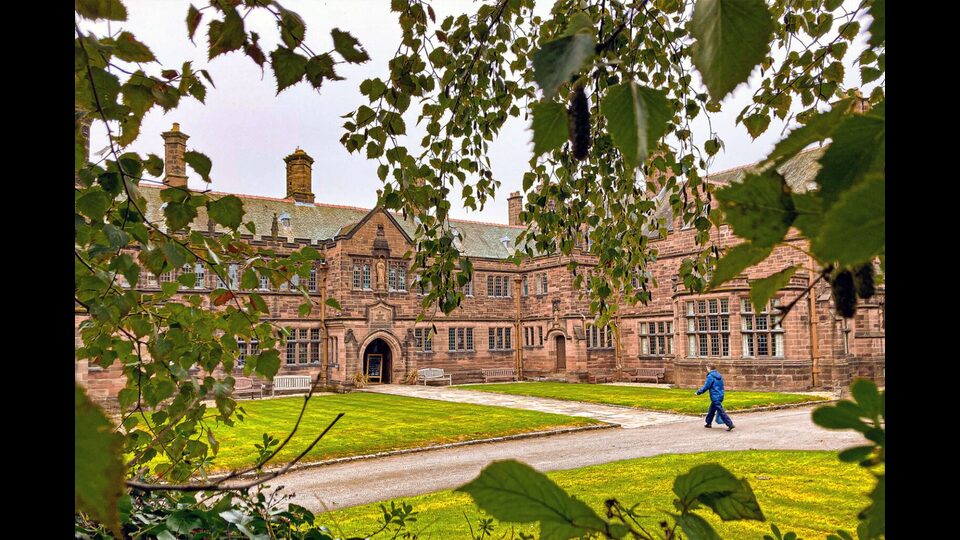
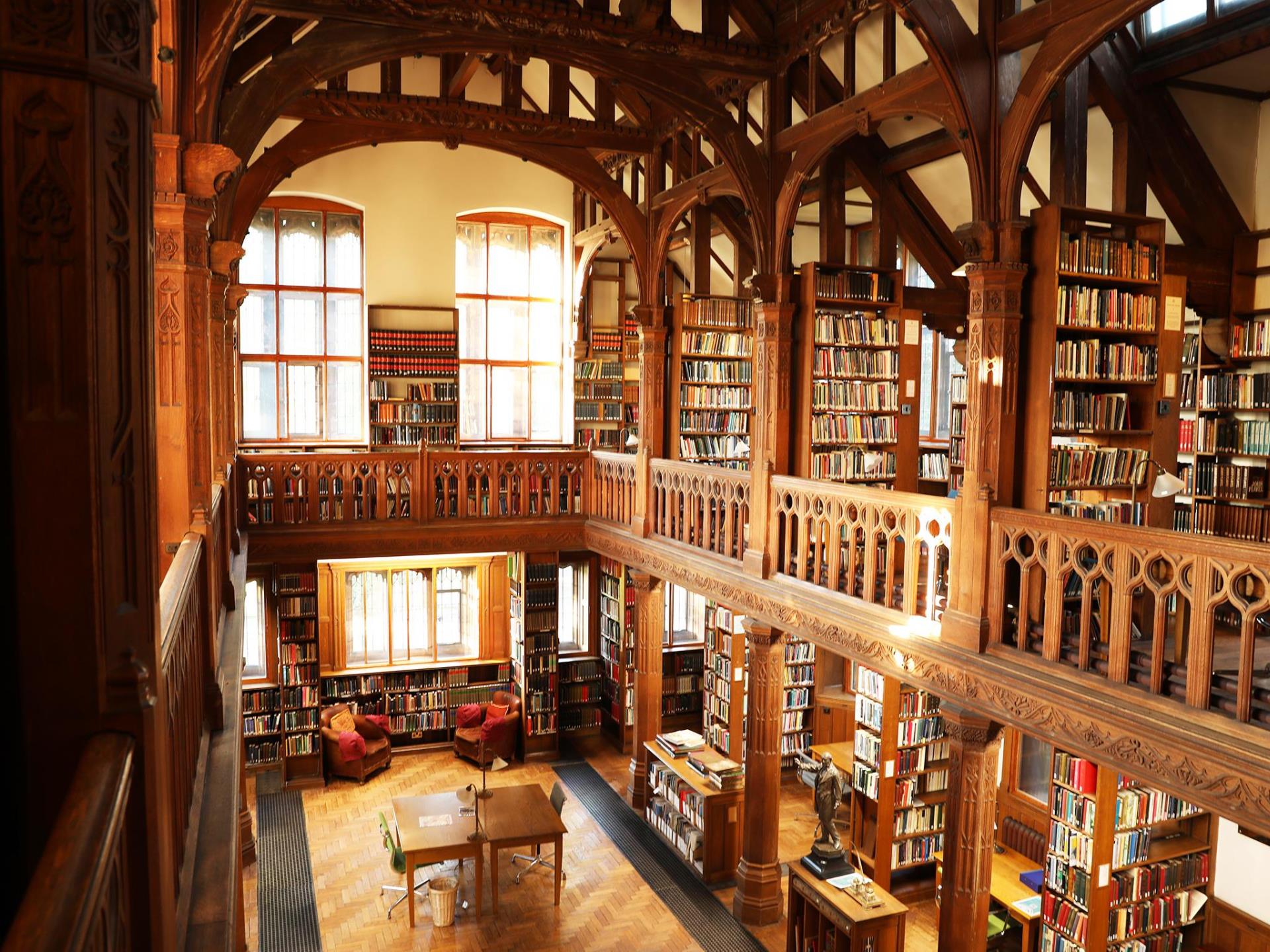
Step into Gladstone’s Library, Britain’s only residential library and one of the rare places in the world where you can spend the night surrounded by books. With oak-panelled reading rooms, a collection of more than 150,000 books, 26 bookish bedrooms, and a fireplace-lit sitting room, this neo-Gothic sanctuary offers a rare kind of escape: one that invites you to unplug, unwind, and dive deep into the world of words.
Tucked away in the quiet village of Hawarden in North Wales, the library was founded in 1894 by William Ewart Gladstone, four-time British Prime Minister and lifelong bibliophile, who aimed to create “a place of study, for those who cannot afford the luxury of a private library”. He personally donated over 30,000 of his own books, many annotated in the margins, and is said to have transported them himself by wheelbarrow from his nearby residence.
In 1902, following Gladstone’s death, the present-day red sandstone structure was built as a national tribute to his life and enduring legacy. Designed by architect John Douglas, it echoes the Gothic revival style of Oxford and Cambridge libraries, complete with arched windows, ornate timber frames, and quiet cloisters. Today, the library remains independent, run by a charitable trust, and is the only prime ministerial library in the UK.
A living library
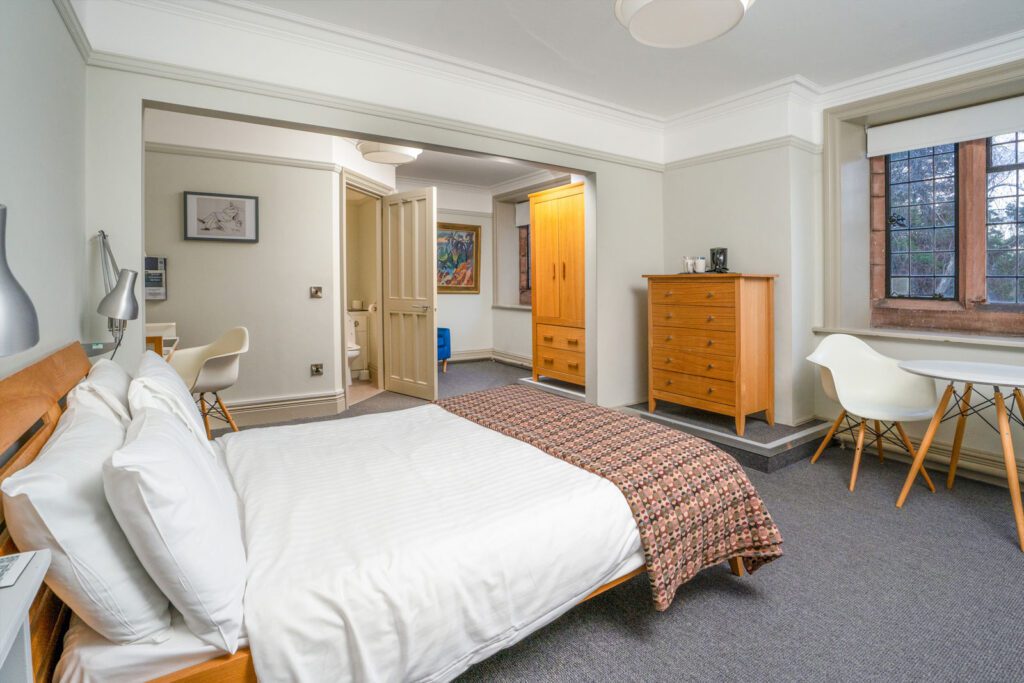
Unlike most heritage buildings, Gladstone’s Library isn’t frozen in time. It continues to function as a working library, writer’s retreat, and cultural hub. Anyone can apply for a library card, browse the collection, or book a stay in one of its charming rooms. The accommodation is spread across two wings and designed with readers in mind; each room comes with a desk, good lighting, and shelves of thoughtfully selected books. There are no TVs or distractions. Just quietude and paper.
Each of the 26 boutique bedrooms is thoughtfully curated to encourage quiet reflection and creativity, complete with a writing desk and tea and coffee facilities, but deliberately no television to preserve the atmosphere of focused calm. Over the years, the library has welcomed esteemed writers, political figures, and clergy members.
Guests also have extended access to the Reading Rooms, open till 10pm — a rarity for libraries. These rooms are the heart of the Gladstone experience: lofty, wood-panelled spaces lined with books, where time slows down and readers settle into deep work or immersive pleasure reading.
Gladstone’s Library holds a collection of over 150,000 books, with particular depth in theology, history, politics, and literature. Many were donated from Gladstone’s own personal library, featuring texts in Greek, Latin, and Italian. Some contain handwritten notes that offer a glimpse into his formidable intellect and moral reasoning.
There are also rare editions, 19th-century periodicals, and archival material related to liberal politics and ecclesiastical history. In recent years, the library has expanded its holdings to include contemporary fiction and works by resident writers and speakers.
“It’s a collection that bridges the past and present,” says assistant librarian Thelma Hall. “You’ll find Victorian sermons next to modern political memoirs, or feminist theology alongside 19th-century Greek philosophy.”
The appeal of Gladstone’s Library lies not only in its books but in the lifestyle it promotes. Days unfold gently — mornings begin with coffee in the cafe, followed by hours in the Reading Room, a long walk in the gardens, or even a nap in your room before dinner.
The on-site bistro, Food for Thought, serves hearty seasonal fare — soup, jacket potatoes, risotto, and a rotating menu of fresh, locally sourced dishes. There’s also a peaceful chapel on the grounds, a nod to Gladstone’s deep spiritual life.
The atmosphere is warm and welcoming, with a blend of academic solitude and the camaraderie of like-minded travellers. Writers, academics, students, retirees, solo travellers, and bibliophiles of all ages converge here, drawn by a shared love of books and quiet contemplation.
Rooms at Gladstone’s Library range from £79 to £135 a night, including a full Welsh breakfast. Advance booking is recommended, especially around literary events. The library is open year-round and welcomes day visitors, researchers, and overnight guests.
The place seems to invite conversation between eras, especially for those who get a chance to live here. Think of reading by day, dining among writers by night, and sleeping where Gladstone’s spirit still lingers.
Throughout the year, it hosts an impressive calendar of events — literary festivals, writing retreats, author talks, and salons. Writers-in-residence programmes support emerging voices, offering time and space to create. Notable past guests have included Sarah Perry (The Essex Serpent), Michel Faber (The Crimson Petal and the White), and Sally Magnusson (The Ninth Child).
Sarah Perry loves the bookish environment. “There’s something about it which combines peace with a remoteness away from the hustle and bustle of everyday life,” she said in an interview to The Leader, UK. “It makes you work hard and I’ve often thought that maybe the ghost of Gladstone is present, looking over your shoulder and making you work harder and urging you to crack on,” she said.
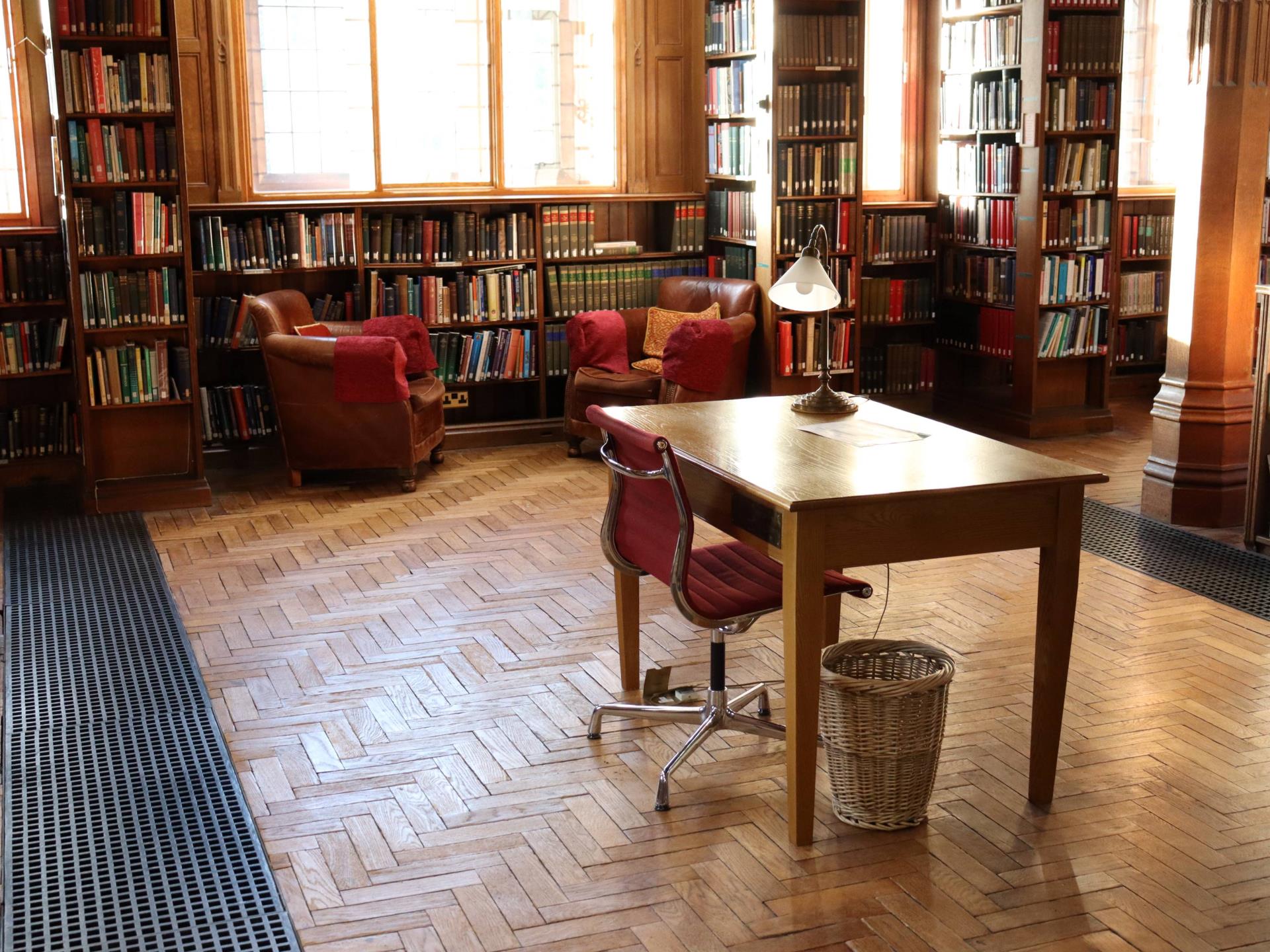
Each year, the library also organises Gladfest, its own literary festival with an intimate, engaging format. Events are often held in the Reading Rooms, offering a chance to hear writers speak in the very space where their words may later be read.
This year, Gladfest will be held on September 5 and 6, inviting book lovers to a vibrant weekend of storytelling and conversation. The festival will feature an inspiring mix of local favourites, rising literary voices, and enthusiastic readers, along with fireside music sessions, hands-on creative workshops, and craft activities designed to engage visitors of all ages.
Beyond the library
There’s much to do once you step out of the library. Hawarden, tucked away in the rolling countryside of North Wales, is a picture-perfect Welsh village. Its roots stretch back to medieval times, most evident in the imposing ruins of Hawarden Old Castle, once a stronghold during the Welsh Wars of Independence. Just a short walk from the library, the castle grounds, still owned by the Gladstone family, are occasionally opened to the public for guided tours and special events. The newer Hawarden Castle, where William Ewart Gladstone lived and wrote, is not far. Still a private residence, it offers scenic walking paths perfect for quiet reflection.
Hawarden may be small in size but it is big on character. The village high street is dotted with independent shops, charming cafés, and traditional pubs like The Glynne Arms, a 200-year-old coaching inn now serving seasonal fare with a modern twist. The nearby Hawarden Estate Farm Shop offers fresh local produce, gourmet goods, and a weekend open-air market.
Those willing to venture a little farther will find Chester’s Roman ruins, the beautiful Clwydian Range for hiking, or coastal spots like Conwy and Llandudno. Whether you’re exploring woodland trails or enjoying Welsh hospitality over a pint, Hawarden offers a gentle rhythm of life that perfectly complements the contemplative spirit of Gladstone’s Library.
In an age where life moves at breakneck speed, this library offers something rare: time to pause, read, reflect, and simply be. Whether you’re a writer in search of solitude, a history buff tracing the footsteps of one of Britain’s most formidable prime ministers, or a book lover chasing the dream of living among the stacks, Gladstone’s delivers a kind of quiet magic.
As you sit in the Reading Rooms, surrounded by 150,000 volumes and the comforting rustle of pages, Jorge Luis Borges’ words come to mind: “I have always imagined that Paradise will be a kind of a Library.” At Gladstone’s, paradise may just be real — and open for overnight stays.
Teja Lele is an independent editor and writes on books, travel and lifestyle.


