Two films on the same subject being made simultaneously isn't uncommon anymore. It happens everywhere but his phenomenon is almost as accepted as a genre in India. Some years ago there were five films on Bhagat Singh made within twelve months and while one of them, The Legend of Bhagat Singh (2002), stood out, none lived up to the subject's true potential. It's interesting how a subject like Bhagat Singh suddenly ended up fascinating storytellers collectively and now, the Chittagong Uprising of 1930 is getting the same treatment.
Bedabrata Pain's Chittagong is the second film in as many years to recreate the bravery of a handful of revolutionaries who took the might of the British Empire. Made at roughly the same time as Ashutosh Gowariker's Khelein Hum Jee Jaan Sey (2010), Chittagong suffered the burden of being the 'smaller' film when compared to the Oscar nominated filmmaker's version. Like most of Gowaiker's film following Lagaan, Khelein Hum Jee Jaan Sey was a big production that featured mainstream names like Abhishek Bachchan and Deepika Padukone when compared to Pain's relative unknown cast barring Manoj Bajpai and Barry John. But that's not what marred the making of the two films.There were rumors that suggested Pain's foul play with Manini Chatterjee on whose book Do And Die: The Chittagong Uprising 1930-34 Gowariker's script was based. It was insinuated that Pain had used the book as reference even though Chatterjee had sold the rights to Gowariker. If that wasn't enough then closer to the release of Khelein Hun Jee Jaan Sey Anurag Kashyap, who serves as a producer on Chittagong, accused Amitabh Bachchan of using his position to delay Chittagong's release in order to promote son Abhishek. Of course, later Pain explained that it was the distributors who caused the delay in Chittagong's release but by the time that happened Khelein Hum Jee Jaan Sey had released and tanked.
This kind of face-off isn't new to Bollywood and it's highly unlikely that such a thing wouldn't happen in the future. But what is a filmmaker supposed to do when he/ she gets to know that someone else is making a similar film? Are the 'smaller' ones expected to cow down or is there enough room for all of them? Or are they to rejoice in the notion that being 'smaller' would make them 'truer' like it will happen with Chittagong. Early previews of the film suggest just that with even Amitabh Bachchan praising the film and hailing Kashyap as nothing less than a 'great revolution in Indian cinema.' In the mad scramble to make films on similar subjects like five Bhagat Singhs or two Truman Capotes (Capote (2005) and Infamous (2006) or a similar number of Hulk films shouldn't one think about the viewer?Both Pain and Gowariker, like avant-garde Japanese filmmaker Takshi Miike, might not be thinking about the audience when they started but following the experience of Khelein Hum Jee Jaan Sey how can the viewer not be slightly predisposed with Chittagong? But truth be told while Khelein Hum Jee Jaan Sey might have released first Chittagong stands a better chance with the average viewer. Two years ago Manoj Bajpai wasn't riding the wave of resurgence like he is now following Rajneeti (2010) and Gangs of Wasseypur (2012). Also when the subject is acting, there is no way that anyone in their right minds would compare Bajpai and Abhishek Bachchan! And to make things more exciting Chittagong boasts of a certain Nawazuddin Siddique But the real thing that will help Chittagong get an edge is very thing that stood in its way before Khelein Hun Jee Jaan Sey met it's fate at the box-office.
{{/usCountry}}This kind of face-off isn't new to Bollywood and it's highly unlikely that such a thing wouldn't happen in the future. But what is a filmmaker supposed to do when he/ she gets to know that someone else is making a similar film? Are the 'smaller' ones expected to cow down or is there enough room for all of them? Or are they to rejoice in the notion that being 'smaller' would make them 'truer' like it will happen with Chittagong. Early previews of the film suggest just that with even Amitabh Bachchan praising the film and hailing Kashyap as nothing less than a 'great revolution in Indian cinema.' In the mad scramble to make films on similar subjects like five Bhagat Singhs or two Truman Capotes (Capote (2005) and Infamous (2006) or a similar number of Hulk films shouldn't one think about the viewer?Both Pain and Gowariker, like avant-garde Japanese filmmaker Takshi Miike, might not be thinking about the audience when they started but following the experience of Khelein Hum Jee Jaan Sey how can the viewer not be slightly predisposed with Chittagong? But truth be told while Khelein Hum Jee Jaan Sey might have released first Chittagong stands a better chance with the average viewer. Two years ago Manoj Bajpai wasn't riding the wave of resurgence like he is now following Rajneeti (2010) and Gangs of Wasseypur (2012). Also when the subject is acting, there is no way that anyone in their right minds would compare Bajpai and Abhishek Bachchan! And to make things more exciting Chittagong boasts of a certain Nawazuddin Siddique But the real thing that will help Chittagong get an edge is very thing that stood in its way before Khelein Hun Jee Jaan Sey met it's fate at the box-office.
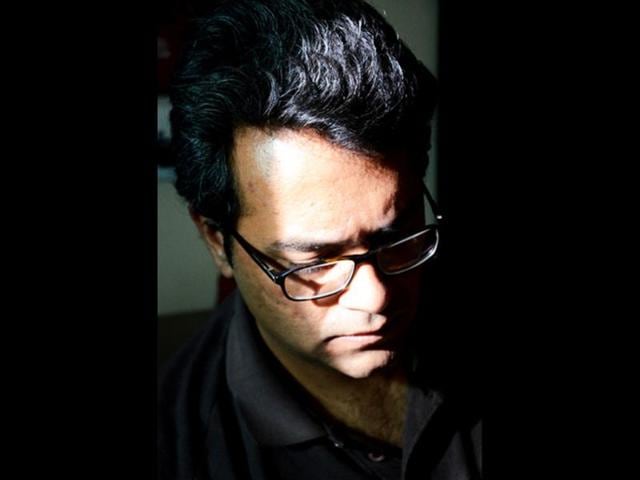
{{/usCountry}}While one can't refute the fact that Gowariker's version was a monumental disappointment both critically as well as commercially, there is a notion that propagates that independent and smaller films are better. Filmmakers as well as marketing experts leave no stone unturned in suggesting that small cinema is beautiful and it needs to be saved from the evils of commercial Hindi cinema. Someone like Anurag Kashyap, who is as successful in commercial cinema as he is in art-house, has no qualms in urging the viewer to do their bit for 'good' cinema. He tweeted that certain number of tickets sold for certain number of days would ensure that That Girl in Yellow Boots (2011) would recover it's investment and so everyone should contribute for the sake of cinema. Be ready for a barrage of positive and happy messaging for Chittagong and don't forget your duty as a cinema loving audience to help. Thankfully from the buzz surrounding it, Chittagong shouldn't be too hard to appreciate.Gautam Chintamani is an award-winning writer/filmmaker with over a decade of experience across print and electronic mediums.
(The views expressed by the author are personal)Follow us on twitter.com/HTBrunchConnect with us on facebook.com/hindustantimesbrunch