In this season of illnesses, it makes sense to know a little about the ayurvedic way to cope with fever.
For ayurveda, fever is caused by an imbalance of the pitta (fire), vata (air) and kapha (phlegm) energies. Stress, lifestyle disorders or incorrect nutrition cause the imbalance, leading to a dysfunctional system of digestion. This means that toxins in the small and large intestine putrefy and spread to the entire body. Add a viral or bacterial infection, and you get a fever.
The ayurvedic method:* Ayurveda believes that low fevers are healing: They help burn the toxins in your body. But high fevers must be treated by relieving the strain on the digestive system with a light diet and some herbs.
* The ideal diet for a person with fever includes fruit, herbal decoctions, and warm soups.
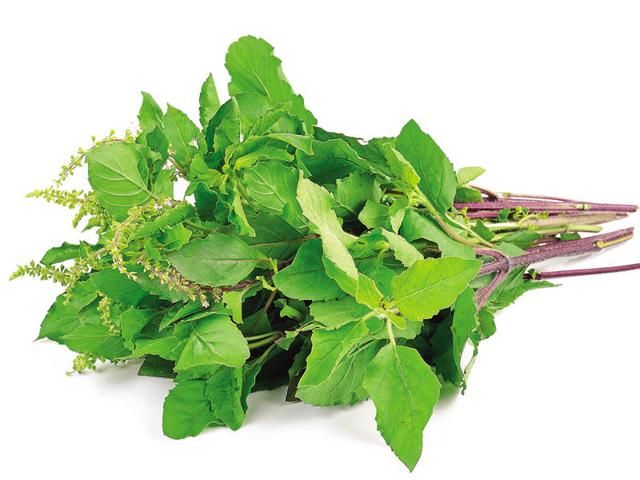
* Beneficial herbs for decoctions include tulsi, ginger, black pepper, turmeric, raisins (kishmish), and methi seeds.
Different fevers and their cures:* Pitta fevers are usually caused by sunstroke, but bacterial infections and pneumonia can also cause similar symptoms of a burning forehead, high fever, bad-smelling perspiration and usually loose motions and nausea. Sponge the patient with cold water, add a few drops of peppermint oil. Offer fruit such as musk melon, sweet lime (mausumbi) and drink lemon water with sugar. Make decoctions of kutki and chandanadi.
* Vata fevers usually arrive in the monsoon. Symptoms include a racing pulse, great thirst, body aches and pains, and fluctuating body temperatures. The diet includes a lot of water and warm soups. Make decoctions of sudarshan churan and guduchi.
{{/usCountry}}* Vata fevers usually arrive in the monsoon. Symptoms include a racing pulse, great thirst, body aches and pains, and fluctuating body temperatures. The diet includes a lot of water and warm soups. Make decoctions of sudarshan churan and guduchi.
{{/usCountry}}* Kapha fevers display symptoms such as heaviness and blocked sinuses, indicating that the upper respiratory system is affected. Drink lots of water, sip a decoction of tulsi, ginger and long pepper three or four times a day. Avoid heavy foods like bread, roti, rice, milk, curd and ghee.
From HT Brunch, August 28, 2016
Follow us on twitter.com/HTBrunch
Connect with us on facebook.com/hindustantimesbrunch