The dollar began the week supported by optimism on the Sino-U.S. trade front, while the pound wobbled lower after weekend hints at an interest rate cut from a Bank of England policymaker.
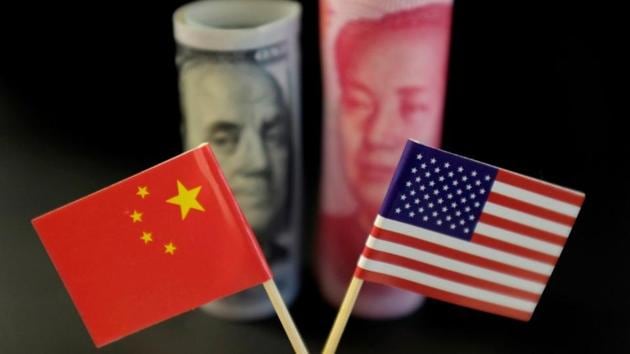
A U.S.-China trade deal is due to be signed at the White House on Wednesday, though talks on a phase two package are likely to drag on for months.
The imminent deal, ending an 18-month trade dispute, has investors hoping for a revival in global growth. That offered support to trade-exposed Asian currencies such as China’s yuan and the Australian dollar, as well as the greenback.
“Both sides should produce a lot of positive headlines, really talking up the deal and sounding positive about the outlook,” said Westpac FX analyst Sean Callow.
“The more difficult questions on trade can come later. I think for this week the vibe on the trade side will be very positive and that may help sentiment a bit.”
The mood pushed the dollar 0.1% firmer against the safe-haven Japanese yen
The mood pushed the dollar 0.1% firmer against the safe-haven Japanese yen
Against a basket of currencies the dollar edged higher to 97.410 <.DXY> and the Chinese yuan
The Australian dollar
Moves were constrained by caution over the trade deal, given Beijing and Washington have still not formalised the finer details of what will actually be signed.
Volumes were also light owing to a holiday in Japan.
The biggest mover was the British pound
He offered the latest hint at policy easing, telling the Financial Times newspaper that he would vote for a cut in interest rates later this month, barring an “imminent and significant” improvement in growth data.
Futures pricing pointed to an implied probability of a rate cut at the end of the month of one-in-four.
“Are these hollow threats...designed to try and curb the appreciation in the pound, or are they really going to try and follow through?” said Chris Weston, head of research at Melbourne brokerage Pepperstone.
“The market’s saying on balance that they’re hollow thoughts (but) a rate cut is not out of the question.”
More broadly, the morning’s moves partly reversed Friday’s dip in the dollar when data showed U.S. nonfarm payrolls missed forecasts, while wages and hours worked were soft.