The European Union’s (EU) bank will invest 650 million euros for the construction of Kanpur’s first city metro line, its second biggest operation outside Europe that will finance a 32.4-km metro line with stations and rolling stock.
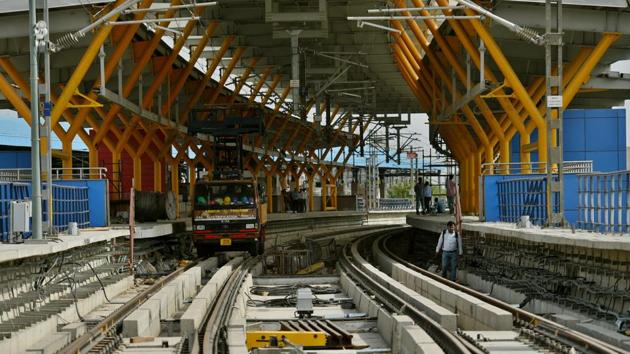
The European Investment Bank’s (EIB) investment will help some 3 million people in Kanpur to benefit from green, fast and affordable public transport. The new metro system is expected to reduce commuting hours and open new employment and education opportunities in the city.
The total EIB investment in connectivity projects and green infrastructure in India is now 2.6 billion euros, the EU said in a statement on Monday. The investment of 650 million euros will finance the new metro line with 18 elevated and 12 underground stations and rolling stock.
This is the second metro rail project supported by EIB in Uttar Pradesh, following an investment of 450 million euros for developing a metro system in Lucknow. Once completed, Kanpur metro rail is expected to create 1,100 jobs and enable around 116 million more affordable commutes each year, the statement said.
This is the fifth EIB investment in green infrastructure and connectivity in India and the second in Uttar Pradesh. The bank has invested in metro systems in Bhopal, Pune, Bengaluru and Lucknow.
{{/usCountry}}This is the fifth EIB investment in green infrastructure and connectivity in India and the second in Uttar Pradesh. The bank has invested in metro systems in Bhopal, Pune, Bengaluru and Lucknow.
{{/usCountry}}In addition to creating an affordable public transport network and a reliable alternative to heavily congested streets, the new metro in Kanpur will reduce pollution and greenhouse gas emissions and improve air quality.
Andrew McDowell, vice-president of EIB, said: “Kanpur is the fifth metro rail project to receive EIB funds in India and the biggest investment made by the bank outside the EU. The metro will have a positive impact on quality of life and doing business in the city through access to affordable transport, creating new employment and education opportunities.”
He added, “We are also glad to see this project is contributing to global climate action while strengthening EU-India relations.”
The EU envoy to India, Ugo Astuto, said the two sides had discussed during their summit on July 15 how to put climate action and “green transition” at the heart of their post-Covid-19 economic recovery. “Sustainable mobility is a key component of this strategy towards modern, clean and healthy economies,” he said.
EIB is the long-term lending institution of EU, owned by its member states. It makes long-term finance available to contribute towards EU policy goals. Since the beginning of its operations in India in 1993, EIB has supported 17 projects and invested close to 4.2 billion euros in transport, energy, agriculture, fisheries and forestry projects.