Oil extended its three-year high as tensions in the Middle East flared following the US decision to renew sanctions on Iran, OPEC’s third-largest producer.
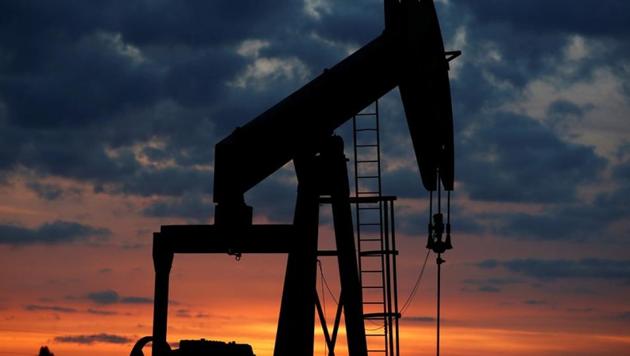
Futures in New York added as much as 1.1 percent, reaching the highest level since November 2014. Israel said it struck Iran’s military facilities in Syria after a barrage of missiles was fired by Iranian forces at the Golan Heights. Prices jumped 3 percent Wednesday after US President Donald Trump said he would scrap a 2015 nuclear deal between Iran and world powers, and reimpose restrictions on the Islamic Republic’s crude exports.
Crude’s recent rally has been propelled by Trump’s Iran sanctions and simmering geopolitical tensions surrounding the Middle East. While investors are still evaluating the full impact of the US withdrawal from the nuclear accord, UBS Group AG said the sanctions could cut Iran’s oil exports by as much as 500,000 barrels a day in the next six months. Saudi Arabia signaled it could make up lost supplies, while Goldman Sachs Group Inc. said there’s a chance prices may exceed its forecast.
“Judging by the initial reaction of the market, the damage is potentially great” though the the impact of the sanctions is still being assessed, said Tamas Varga, an analyst at PVM Oil Associates Ltd. in London.
West Texas Intermediate crude for June delivery rose as much as 75 cents to $71.89 a barrel on the New York Mercantile Exchange and traded at $71.57 at 10.32 am in London. Prices climbed $2.08 on Wednesday. Total volume traded Thursday was about 20 percent above the 100-day average.
Brent for July settlement added as much as 1 percent to $78 a barrel on the London-based ICE Futures Europe exchange, after rising 3.2 percent to $77.21 on Wednesday. The global benchmark crude traded at a $6.03 premium to July WTI.
{{/usCountry}}Brent for July settlement added as much as 1 percent to $78 a barrel on the London-based ICE Futures Europe exchange, after rising 3.2 percent to $77.21 on Wednesday. The global benchmark crude traded at a $6.03 premium to July WTI.
{{/usCountry}}Futures for September delivery on the Shanghai International Energy Exchange rose 2.4 percent to 476.4 yuan a barrel, climbing for a fourth day. That’s the longest rising streak in a month.
Iran’s Quds Force, which is fighting in Syria, targeted Israeli army positions with 20 rockets, according to a Twitter post by Israel Defense Forces spokesman Jonathan Conricus. While he said several of the rockets were intercepted and there were no casualties, the Israeli media called the confrontation the biggest direct military clash between the two rivals.
Oil prices are also getting a boost as stockpiles continue to shrink. In the US, the Energy Information Administration reported nationwide crude inventories slid 2.2 million barrels last week, in contrast to a forecast for a 1 million-barrel gain in a Bloomberg survey. The crude draw was largely due to a decline in imports, which fell by the most since November 2016. Domestic gasoline and distillate stocks were also eroded.
--With assistance from Tsuyoshi Inajima .