
 E-Paper



‘Kotak was a start-up in 1985’: Uday Kotak reflects on ‘middle-class’ beginning
Uday Kotak said that he sees the company as his family, adding, “It is like a joint family.

 Prefer HTon Google


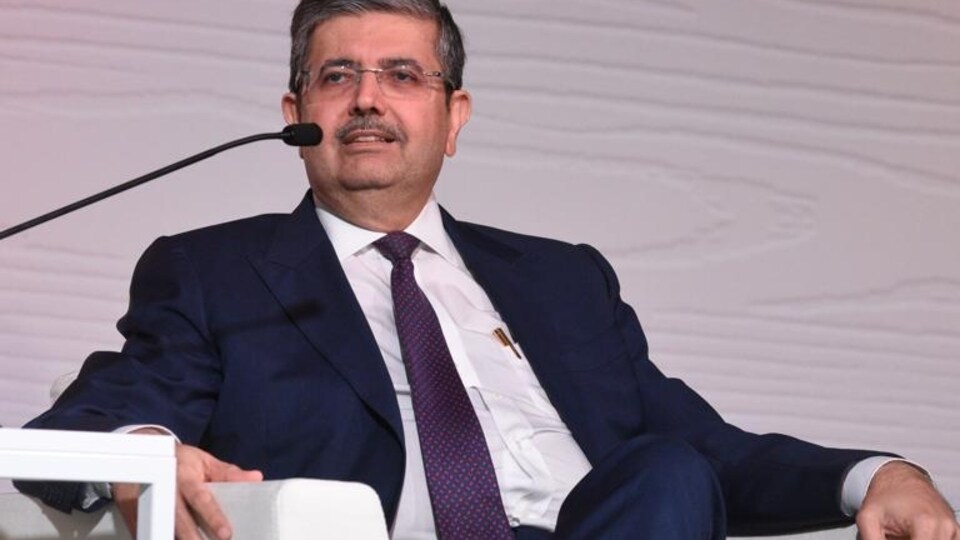
Kotak Mahindra Bank founder Uday Kotak said that the bank was a start-up back in 1985 when it began operations with a modest sum of ₹30 lakh. Talking to Business Today, the banker talked about the financial institution’s humble origin and earlier years. Most employees at the bank then had middle class background and it was the value system that kept them together, he said.
Read more: Reddit CEO Steve Huffman on IPO debut: ‘Best investors of my company are…’
Uday Kotak said, “A lot of Kotak-ites started with strong middle class values and that really kept us all together. We didn't start as highflying. Kotak [in] 1985 was a start-up in today's world. And we started in a bootstrap manner. Raised a little bit of capital, a total of ₹30 lakh. Therefore the whole concept of entrepreneurship was at the core of who we are. We combined that with the need for professionalism and we actually coined the phrase ‘professional entrepreneur’. That is something which we deeply believe in and that is seeped into the culture."
Read more: Paytm's former employees are now running 22 startups worth over ₹10,000 crore: Report
Uday Kotak said that he sees the company as his family, adding, “It is like a joint family. When I was born, I was born in a home with 63 family members and one kitchen. So, the concept of living with family, cousins, uncles, aunts, how do you make sure that you live together at the same time you pursue your own goals and interests.”
Talking about global banks, he said, “If you go back to the history of successful financial institutions, whether it's a JP Morgan or a Goldman Sachs or Morgan Stanley or a Merrill Lynch, which is now of course part of Bank of America, all these were family names started by individuals and families. Most of the individuals are gone but the institutions have remained.”
Read more: OpenAI CEO Sam Altman's Reddit stake rises over $200 million after IPO. It is now worth…
“When you're putting your name on the line you're saying ‘I'm ready to commit my reputation to this institution’. That's what we did on day one. Now, of course, the brand Kotak belongs to the institution, and it is extremely important for the board and the management to nurture and protect the brand and reputation over everything else," he explained.


