
 E-Paper



Top banking body to strike against move to privatise 2 PSBs
A report underlined the need for far-reaching reforms in the banking sector to improve NPA recovery, reduce loan defaults, and introduce greater transparency in credit allocation

 Prefer HTon Google


A group of economists on Tuesday released a report criticising the government’s plan to privatise two public sector banks (PSBs) through the Banking Laws (Amendment) Bill, 2021, and said that it will result in financial exclusion and promote crony capitalism. A top banking body has announced a two-day strike on December 16 and 17 to oppose the proposed move.
“The privatisation of PSBs will remove the sovereign guarantee behind the PSB deposits and make household savings less secure,” said the report released by the economic experts. it further said that privatisation was not the solution for various challenges such as Non Performing Assets (NPA) faced by the PSBs.
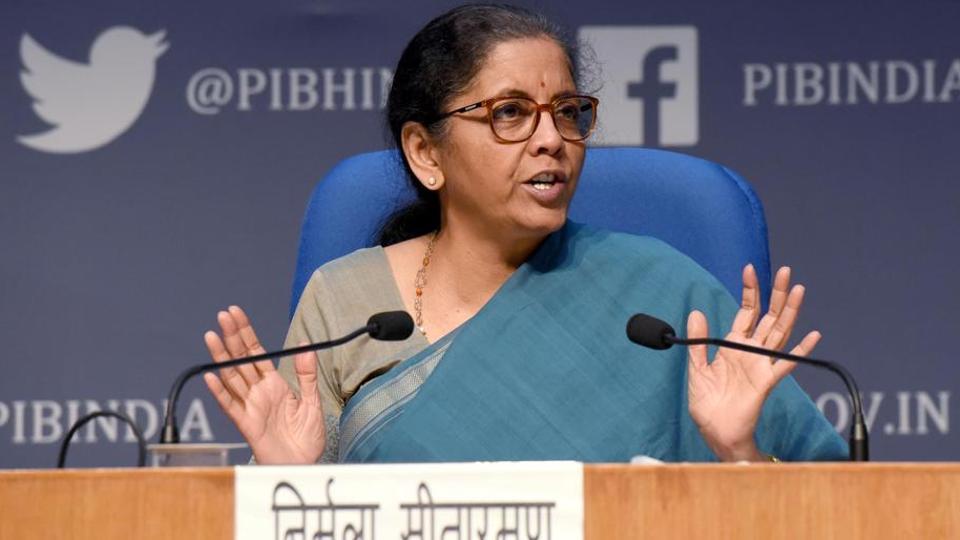
The government had listed the Banking Laws (Amendment) Bill, 2021 as one of the agenda items for the Winter session before it begun. The Bill aims to amend banking companies acquisition and transfer laws of 1970 and 1980 and the Banking Regulation Act, 1949 to achieve privatisation of two PSBs to meet disinvestment targets as stated by finance minister Nirmala Sitharaman in the Union Budget 2021-22. The names of the two PSBs are yet to be revealed.
The report opposing the government’s move has been prepared under the aegis of the All India Bank Officers’ Confederation (AIBOC) by a team of economists including Dr Prasenjit Bose, Dr Rohit Azad, Dr Dipa Sinha, Dr Indranil Chowdhury and Dr Zico Dasgupta.AIBOC is an umbrella organisation of nine unions and associations in the banking industry, commanding 100% officers and employees.
Also Read | India needs independent regulatory body to oversee Big Tech firms: Sushil Modi
The report says privatisation of the PSBs tantamounts to selling the banks to private corporates, many of whom have defaulted on loans from the PSBs, and will only reward crony capitalism.
The experts further argued that the privatisation will also result in job losses, branch closures and financial exclusion. They added that privatisation will shrink employment opportunities for Scheduled Castes, Scheduled Tribes and Other Backward Classes (OBC) since the private sector does not follow reservation policies for the weaker sections.
The report said private sector banks concentrate on the more affluent sections of the population and the metropolitan/urban areas, leading to financial exclusion of weaker sections of the society, particularly in the rural areas.
The report stressed the need for far-reaching reforms in the banking sector to improve NPA recovery, reduce loan defaults and introduce greater transparency in credit allocation.
Economist Dr Prasenjit Bose said the public sector banks were taking banking to the rural areas and ensuring financial inclusion. He feared reversal of these gains may take place if PSBs are privatised.
Trinamool Congress (TMC) MP Saugata and other party leaders such as Sukhendu Sekhar Roy, Kalyan Banerjee, Dola Sen apart from Congress’ Syed Naseer Hussain and CPI(M) polit bureau member Nilotpal Basu opposed the proposed legislation.
The AIBOC also called for a two-day strike on December 16 and 17 against the legislation.


