E-Paper



Government Withdraws Subsidies for Electric Three-Wheelers as Adoption Hits Targets
The government has withdrawn subsidies for electric three-wheelers, marking the end of a key incentive as targets have been met.

 Prefer HTon Google


The government has decided to withdraw subsidies for electric three-wheelers, bringing an end to a key incentive that helped push adoption in this segment. The move comes after officials confirmed that the targets set under the incentive programme have already been achieved.
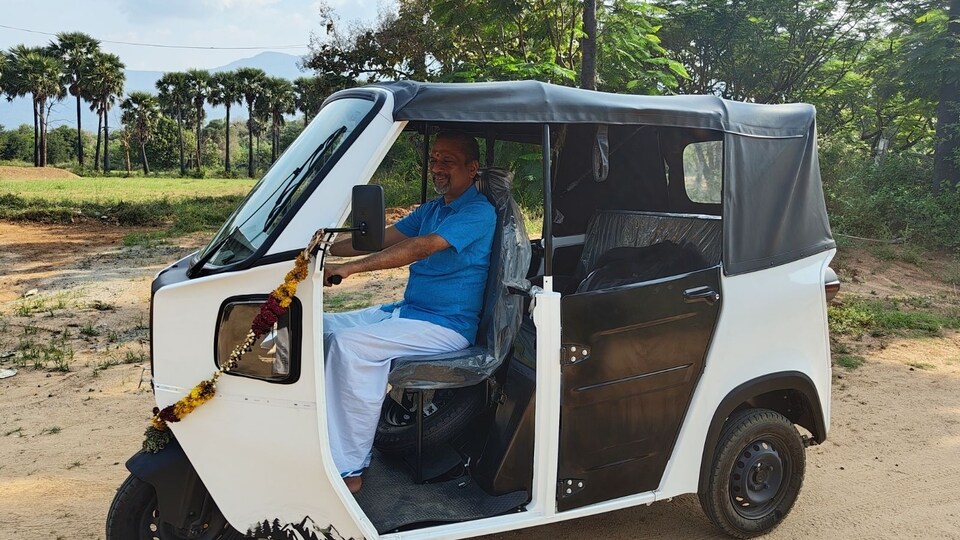
Over the past few years, electric three-wheelers have seen strong growth, especially in urban and semi-urban areas, driven largely by lower running costs and government support. With sales crossing the target numbers set by policymakers, the Centre believes the segment is now mature enough to sustain itself without financial assistance.
According to officials, the decision is also aimed at reallocating public funds more efficiently. Instead of continuing support where adoption is already strong, the focus may now shift to segments or technologies that still need a push. The government has maintained that incentives were always meant to be temporary, designed to kick-start demand rather than act as a permanent benefit.
(Also read: Maruti to lead 2025 sales; Mahindra pushing past Hyundai, Tata climbs to third)
For manufacturers, the withdrawal of subsidies could lead to some short-term pressure on prices, especially for entry-level models that relied heavily on incentives to stay competitive.
Fleet operators and individual buyers may feel the impact initially. Electric three-wheelers continue to offer clear advantages in terms of fuel savings and maintenance when compared to conventional alternatives, which should help sustain interest even without subsidies.
When it comes to two-wheelers, the adoption of electric models remains relatively modest, with market penetration currently estimated at about 7.5 per cent. Because of this slower uptake, government support for electric two-wheelers is likely to continue into the next financial year. A final decision on extending or modifying these incentives is expected to be taken early in the new year.
At present, sales figures show that around 18.3 lakh electric two-wheelers have been sold against a target of close to 25 lakh units. With demand still building, this number is projected to rise to roughly 23 lakh units by the end of the current fiscal year, which could lead to the remaining target being carried forward into the next financial cycle.
In the case of electric buses and trucks, demand under the PM e-Drive scheme is yet to pick up, mainly because these vehicles are still undergoing trials and evaluations. As a result, large-scale orders have not begun so far. Under the scheme’s planning, the government has earmarked incentives for up to 14,000 electric buses and 5,643 electric trucks once deployments start moving forward.