E-Paper



New-gen Hyundai Creta spied for the first time, could launch in 2027
Hyundai Creta's third generation spotted testing, indicating a full redesign rather than a facelift. The SUV may launch around 2027.

 Prefer HTon Google


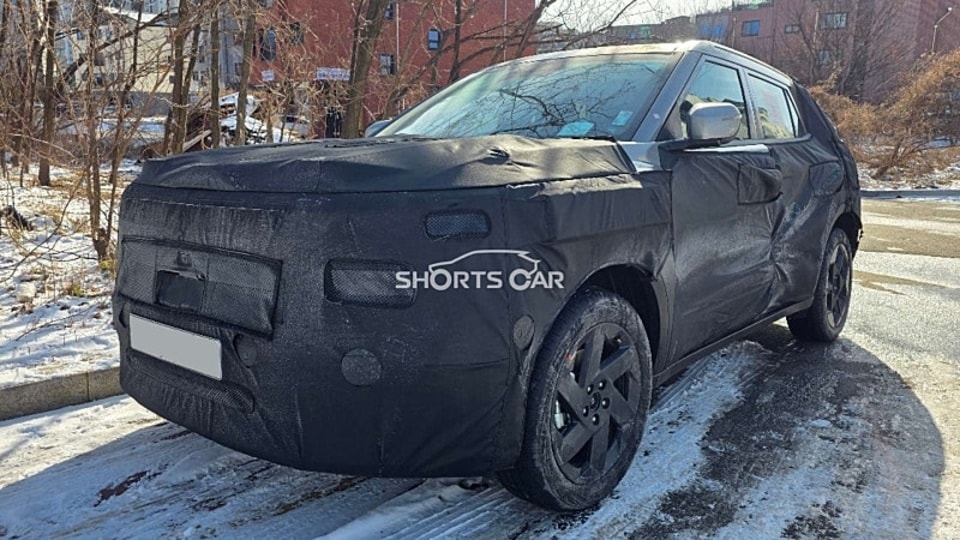
The third-generation Hyundai Creta has been spotted testing for the first time, marking the beginning of development for the brand’s next-gen midsize SUV. The test mule was seen in South Korea and appears to be more than just a minor update, suggesting a full generational change rather than another facelift. This makes sense as the recently launched Kia Seltos was also a generational change instead of just being a facelift.
Fresh Design, Bigger Presence
Despite heavy camouflage, the test vehicle reveals a noticeably different stance compared to the current Creta. The SUV looks slightly taller and longer, with a more upright and boxier profile. The front and rear sections are fully concealed, indicating an all-new fascia, redesigned lighting elements, and a more modern overall shape.
The next-gen Creta is internally codenamed SX3 and is expected to be manufactured in India. While an official launch timeline has not been confirmed, the model is likely to arrive around 2027, with the possibility of an earlier debut depending on market competition.

Powertrain Options Likely to Continue
Hyundai is expected to retain familiar engine options for India, including the 1.5-litre naturally aspirated petrol, turbo-petrol, and diesel units. These are likely to be offered with a mix of manual and automatic transmissions. A major update could be the introduction of a hybrid powertrain, aligning with Hyundai’s broader plans to expand its hybrid portfolio in the Indian market.
Platform and Interior Upgrades
The new Creta is expected to share its platform with newer Hyundai-Kia models, which would bring improvements in structural rigidity and safety. This could also allow for a slight increase in overall length, potentially making it one of the largest SUVs in its segment.
Inside, the cabin is expected to see significant upgrades. Larger digital displays, enhanced connected car tech, improved driver-assistance features, and better material quality are all likely to be part of the update, keeping the Creta competitive in an increasingly crowded segment.

Competition Heating Up
Since its launch in 2015, the Creta has remained one of India’s highest-selling midsize SUVs. However, competition has intensified with newer and upcoming rivals entering the segment. To maintain its strong position, Hyundai may consider advancing the launch timeline to late 2026 instead of waiting until 2027.
What About the Creta Electric?
Alongside the ICE versions, Hyundai is expected to continue with the Creta Electric. Unlike the next-gen ICE model, the electric version is more likely to receive a mid-cycle update focusing on refreshed styling and feature additions.