A Bengaluru commuter’s frustration over the lack of a metro monthly pass has sparked widespread discussion online amid the ongoing fare revision by the Bengaluru Metro Rail Corporation Limited (BMRCL).
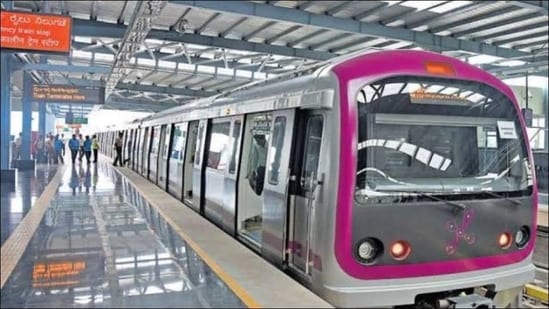
In a now-viral post, the resident, Karthik Reddy, highlighted the financial burden of daily metro travel.
Giving an example of a daily commuter traveling from Madavara to Whitefield, the user highlighted the high cost of metro travel. A round-trip on this route costs ₹180, while a five-day pass priced at ₹750 ( ₹150 per day) saves just ₹30 per week.
Over a year, assuming a five-day workweek for 52 weeks, this amounts to nearly ₹40,000.In contrast, a Bengaluru Metropolitan Transport Corporation (BMTC) AC bus pass costs ₹24,000 annually, while a non-AC pass is ₹14,400, making bus travel significantly cheaper than the metro.
“Since when have buses become cheaper than rail? Why doesn’t BMRCL offer a monthly pass?” the post questioned, triggering widespread discussion on public transport affordability.
(Also Read: 'Betrayed Karnataka': CM Siddaramaiah slams BJP for 'peddling lies' on Jal Jeevan Mission)
Read his post here:
{{/usCountry}}(Also Read: 'Betrayed Karnataka': CM Siddaramaiah slams BJP for 'peddling lies' on Jal Jeevan Mission)
Read his post here:
{{/usCountry}}How did X users react?
X users reacted with frustration, calling for a more integrated and affordable public transport system. Many suggested introducing a single pass for both BMTC and BMRCL, with fare deductions based on travel distance, allowing commuters to switch between metro and buses for cost-effective travel.
One user questioned why such an option doesn't already exist, while another argued that public transport should be efficient and affordable, not a luxury. "If buses can offer reasonable monthly passes, why can’t the metro? A well-priced metro pass would boost ridership and reduce road congestion. Common sense economics," they pointed out.
Some even speculated that the system is deliberately flawed to maintain a balance, keeping more cars on the road while investing in buses and tunnels, ultimately ensuring that common people continue to struggle.
Amid mounting criticism, the BMRCL announced a revised fare structure on Thursday, reducing the maximum hike from 100 per cent to 71 per cent.