The southern state of Karnataka has been performing poorly in its cashew exports of late due to the poor quality of cashew seeds imported from other countries like Zimbabwe.
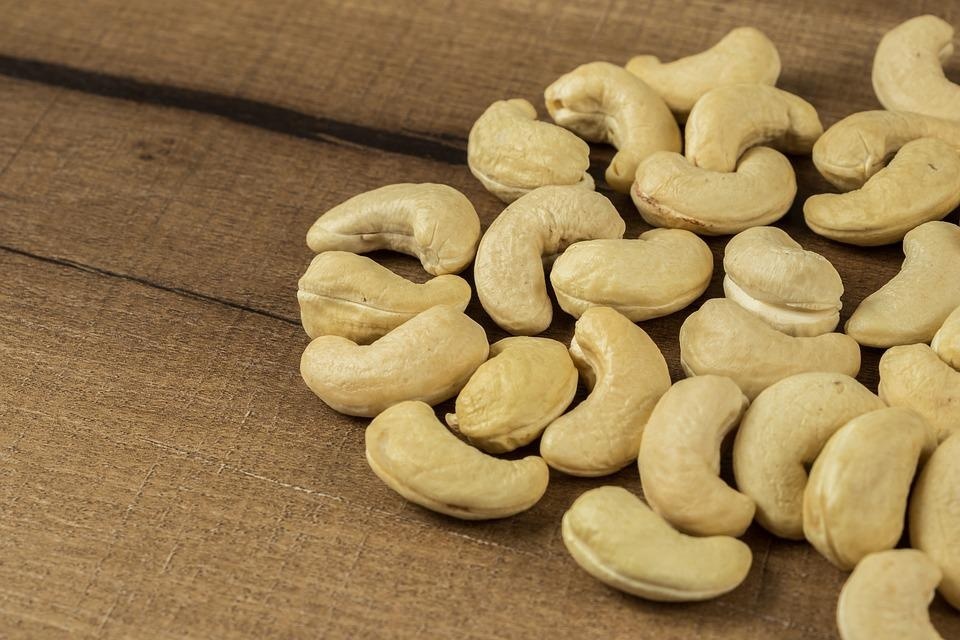
The state, which is the fifth-largest exporter of cashews in the country, earned a mere 90.29 million dollars in 2020–21 from exporting cashews, compared to the 188.42 million dollars it earned in 2017–18, data from the government website showed.
The decline in exports are due to using bad quality seeds which yield a lesser amount of cashew. Demand from buyers also starting dwindling due to many factors such as the quality of the cashews depending on how and where there were stored by cashew farmers, and their size.
The onset of the coronavirus pandemic only added to the decline in demand and exports, with the government imposing guidelines to implement contactless deliveries while the country was in lockdown. India exports cashew to various countries like the Netherlands, the U.S. and sometimes to Vietnam, Norway, the United Arab Emirates (UAE), and Malaysia.
Cashew farmers in Karnataka are financially stretched due to the falling exports and even preserve and sell the cashew’s pink layer to pharma companies as it is used in making medicines. According to a report, many cashew industries incurred huge losses due to a hefty increase in the raw material price during 2018-19, as there was no proportionate increase in the price of the finished goods.
The state gets over 70 percent of it's cashew crop from the coast. While Dakshina Kannada has the most agricultural land for cashew cultivation, Mangaluru has large-scale cashew processing plants. Therefore rural units on the west coast are producing about 100,000 metric tons of cashew kernels.
{{/usCountry}}The state gets over 70 percent of it's cashew crop from the coast. While Dakshina Kannada has the most agricultural land for cashew cultivation, Mangaluru has large-scale cashew processing plants. Therefore rural units on the west coast are producing about 100,000 metric tons of cashew kernels.
{{/usCountry}}In the form of some relief, the Indian Council for Agriculture Research (ICAR) has reportedly approved around 20 new varieties of cashews developed by scientists to be cultivated locally. Moreover, the New Mangalore Port Trust (NMPT) promotes cashew farming by providing regular container services in a push for the state to remain competitive in import and export sector.
A report stated cashew is a seasonal crop, which will need advance planning for the next 30 years. This comes at a time when farmers are dropping cashew for other alternatives amid limited government support. The country used to export the crop to 60 countries in the world and now exports to around 45 countries, with a total of 3940 cashew processing facilities.
A report stated that the country's total cashew exports amounted to about 1,40,000 tons seven years ago. However, India is behind countries like Vietnam and West Africa's Cote d’Ivoire.
This is because India’s cost of doing business has gone up in the last five years in all sectors, while other Asian and African countries are rapidly advancing in mechanization and using technology in farming. Some African countries are implementing pasture development techniques, while others get more investment.
Therefore, East and West African are now exporting well over 60,000 tons of cashew. Meanwhile, local consumption in India is also growing, hence cashew farmers have to cater to more demand with less supply. And if consumption goes up regionally, they are unable to export as much.
While India exports shelled cashew, it imports raw cashew to process and sell here regionally. However, as demand grew within the country, exports of shelled cashew fell in 2016, a report said. The report added that India accounts for more than half of global cashew imports, while exports account for less than ten percent.