
 E-Paper



Ludhiana: Ayurvedic dispensaries await medicines for a year
When approached for a comment, an ayurvedic medical officer (AMO) posted at the clinic on the premises of Ludhiana’s civil hospital confirmed the shortage and said that they have sent a demand to the higher ups


Ayurvedic dispensaries across the district haven’t received any medicine for over a year. The ayurvedic clinic at the civil hospital, known as the Integrated System of Medicine (ISM) wing, has been running either on donations from non-government organisations (NGOs) or the medicines purchased by doctors out of their own pocket, claim health officials.
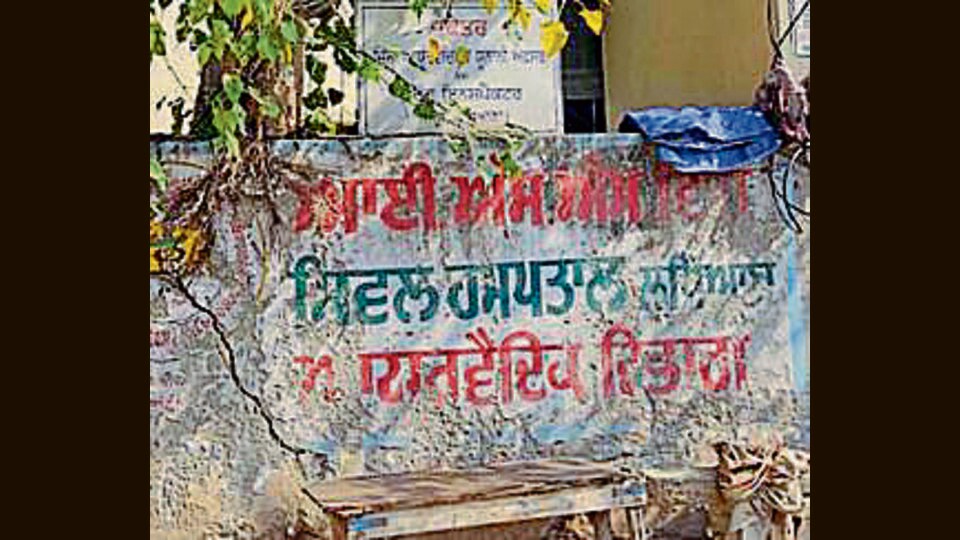
A health official, requesting anonymity, said the clinic has been without any medicine support from the department since September 2023. “In May last year, we received three types of medicines and that too in low quantity. In September 2023, we received 73 medicines in good quantity. That was the last medicine batch we got,” he said.
The clinic, which was reopened in 2023 after staying closed for three years due to the Covid-19 pandemic, has also seen a fall in the number of patients due to the shortage of medicine. Before the pandemic, the clinic saw around 40 patients daily. Now, the number has fallen below 20. The visitors here are mostly suffering from skin and digestive problems.
When approached for a comment, an ayurvedic medical officer (AMO) posted at the clinic on the premises of the civil hospital confirmed the shortage and said that they have sent a demand to the higher ups. There are a total of 64 ayurvedic dispensaries in the district. As many as 41 of them are being run by the state and the rest are under the National Health Mission (NHM).
District ayurvedic officer, Dr Raman Khanna, said, “The last stock we got was in 2023. By now, only 25% of that is left, that too mostly in rural areas. The medicine purchase process is taken up at the state level and that is the reason behind the shortage.”


