
 E-Paper



Ludhiana: Kila Raipur Sports Festival kicks on February 12
On the opening day, hockey matches, kabbadi, 60m race and 100m race for different age groups will be held


The much-awaited three-day Kila Raipur Sports Festival, famously known as the Rural Olympics, will commence on Monday.
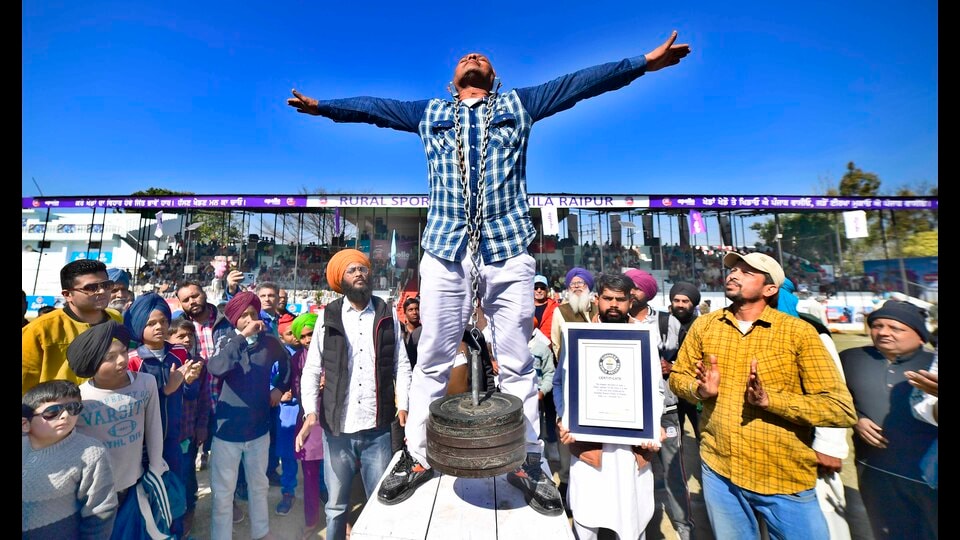
On the opening day, hockey matches, kabbadi, 60m race and 100m race for different age groups will be held. Renowned Punjabi artists like Gurlez Akhtar, Kulwinder Kally, Debi Makhsoospuri, and Amrit Mann will perform during the event.
Colonel Surinder Singh Grewal, president of Kila Raipur Sports Society, emphasised on the rich cultural heritage of Punjab showcased through these traditional games.
Additionally, Tarsem Chand Kalehri’s team “Punjabi Heritage’’ will exhibit Punjab’s cultural richness through an exhibition showcasing traditional dances like “Bhangra” and “Jhoomar”.
Deputy commissioner Sakshi Sawhney highlighted the importance of such events in nurturing talent and promoting sports culture. She said that the event has cash prizes worth ₹30 lakh.
Meanwhile, BJP national spokesperson Jaiveer Shergill on Sunday met Union minister for housing & urban affairs and petroleum & natural gas Hardeep Puri in New Delhi and sought his intervention for the resumption of bullock-cart race in the event.
In a statement, Shergill said that during his meeting with the minister, he has urged him to get the president’s assent to ‘The Prevention of Cruelty to Animals (Punjab Amendment) Bill 2019’ that will pave the way for the resumption of the bullock-cart race at the event.
Shergill informed Puri that because of the popularity of the bullock-cart race in Punjab and its historical and cultural significance, the bill was passed in the Punjab assembly, after which it was sent to the president.


