The Ludhiana Municipal Corporation’s proposal for having a power plant that converts waste into electricity has emerged as a key hurdle in finalising a new integrated waste management system for the city.
In March, the civic body had floated a ₹1,400-crore tender for an integrated waste management project aimed at managing waste from door-to-door collection through to its disposal. However, the tender was subsequently cancelled, following which the state government floated a fresh tender at its own level for waste management services in cities across the state. The state government selected Krysal for Ludhiana, but the implementation remains stalled over the MC’s insistence that the project include a waste-to-energy plant.
Krysal has quoted ₹3,677 per metric tonne for door-to-door waste collection and disposal. According to officials, the MC also wants the contractor to establish a 10-12 MW waste-to-energy plant.
“Our estimate is that it will take around ₹300 crore for the contractor to set up a plant if we give them a 20-acre plot. The contractor will get no extra payment for setting up the plant. Based on rough calculations of electricity prices, it could take around 20 years for the contractor to recover its ₹300-crore investment and generate a profit,” said a senior MC official familiar with the process.
He said the contract would be only for one year. “This renders any such project non-viable commercially,” he said.
{{/usCountry}}He said the contract would be only for one year. “This renders any such project non-viable commercially,” he said.
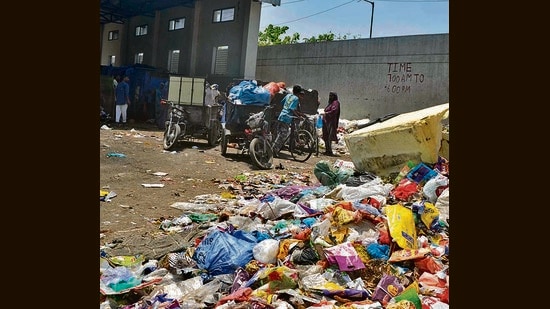
{{/usCountry}}The MC’s insistence on a waste-to-energy plant stems from its view that it would provide a more comprehensive solution to the city’s mounting waste problem. Ludhiana currently generates around 1,100 metric tonnes of waste a day, while the existing waste processing plant at Jamalpur has the capacity to process only around 300 metric tonnes daily. As a result, a substantial portion of the waste continues to be dumped, adding to the size of the existing waste heaps.
MC superintending engineer Sham Lal Gupta said that without a waste-to-energy plant, some residue would continue to remain after waste processing and would have to be managed separately by the civic body. A waste-to-energy plant, however, would address the issue more comprehensively, he added.
MC commissioner Ojasvi Alankar, when approached for comment, said, “According to the directions issued by higher-ups, the MC is to independently assess the proposal. Once the terms of reference are framed, we will begin our evaluation and assessment.”