
 E-Paper



Ludhiana: West Asia crisis may hit fertiliser supplies, warn agriculture varsity experts
Punjab paddy acreage of 31.68 lakh hectares needs nearly 7.3 lakh tonnes of imported urea DAP, MOP and LNG

 Prefer HTon Google


Amid escalating tensions linked to the West Asia conflict and disruptions in global energy supply chains, experts at Punjab Agricultural University (PAU) have warned that India’s heavy dependence on imported fertiliser raw materials and nutrients could create supply stress ahead of the kharif season, posing a challenge for Punjab where paddy cultivation across 31.68 lakh hectares requires nearly 7.3 lakh tonnes of urea.
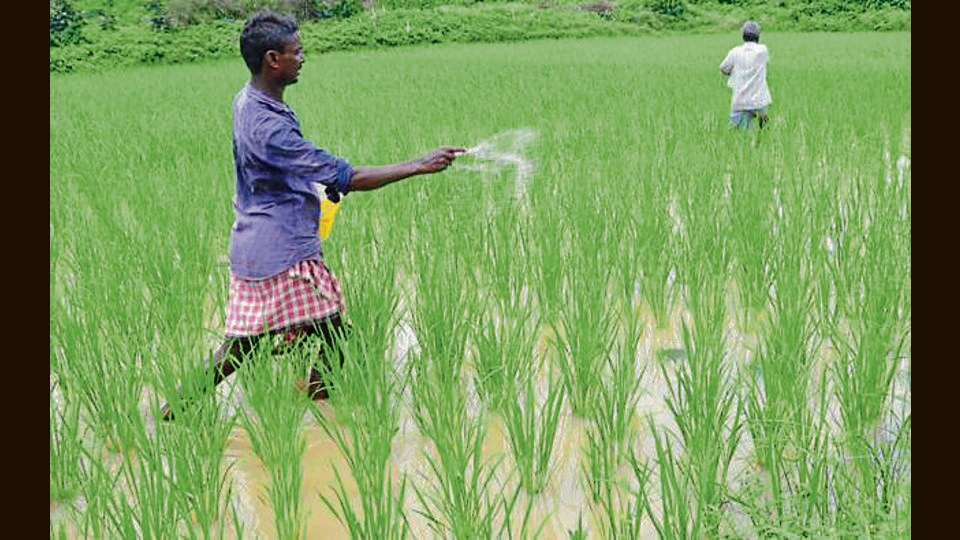
Dr Rajeev Sikka, head of soil science, and Dr AS Dhatt, director of research, said India remains significantly reliant on imported liquefied natural gas (LNG), urea, di-ammonium phosphate (DAP) and muriate of potash (MOP), making the farm sector vulnerable to geopolitical volatility and price fluctuations. Any disruption in fertiliser availability, they said, could directly affect crop productivity and increase input costs for farmers.
The experts highlighted that fertiliser use in India continues to be heavily skewed towards nitrogen, particularly urea, leading to imbalanced nutrient application, lower efficiency and long-term damage to soil health.
PAU recommends two bags of urea per acre for rice, but farmers often apply three to four bags, increasing expenditure as well as environmental burden.
To reduce dependence on chemical fertilisers, scientists have urged farmers to adopt balanced and need-based nutrient management and diversify crops.
Alternatives such as summer moong, mash and pulses require less nitrogen and naturally enrich the soil, while incorporation of their residues can significantly cut fertiliser demand. Soybean was suggested as a suitable option for water-stressed areas.
Green manuring was highlighted as another effective strategy. Crops such as dhaincha and sunnhemp can meet up to 50% of nitrogen requirements besides improving soil organic carbon and microbial activity.
The experts also recommended integrating farmyard manure, compost and crop residues to enhance soil fertility and reduce reliance on chemical fertilisers.
They stressed the need for soil test-based fertiliser application to avoid overuse or underuse. Farmers were also advised to skip DAP in kharif crops where possible, conserve it for the rabi season and use alternatives such as single super phosphate.
While the government has assured adequate fertiliser stocks, PAU experts said long-term sustainability lies in reducing dependency on nitrogen-heavy inputs.


