CHANDIGARH
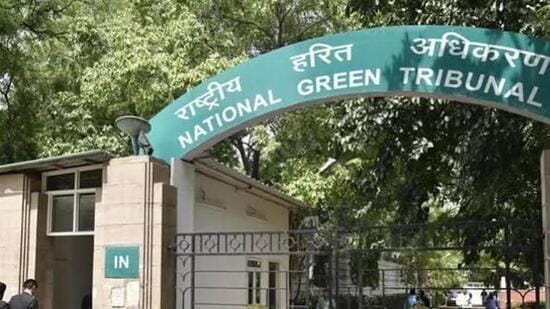
The Punjab government has admitted before the National Green Tribunal (NGT) that untreated sewage and toxic pollutants continue to flow into Hansla River (Sirhind Choe), a watercourse in Sirhind-Fatehgarh Sahib, despite repeated official notices, field inspections and financial penalties.
In an affidavit filed on August 20 by principal secretary of the Punjab water resources department Krishan Kumar, the government said that field reports confirm the dumping of wastewater into the watercourse and the water resources department shifting the blame onto local civic and sewerage agencies.
The affidavit’s admission is significant. Regulatory action has been taken, but the pollution has not stopped. The department acknowledges that field reports continue to indicate the discharge of wastewater and pollutants into the drainage channel, despite measures taken by the authorities.
The department maintains that it is not responsible for generating, collecting, treating or disposing of municipal sewage. It has told the tribunal that these functions, including the operation and maintenance of sewage treatment plants (STPs), fall within the jurisdiction of municipal bodies, local government authorities and other competent agencies.
The department says Hansla River/Sirhind Choe is essentially a natural drainage channel carrying storm water and surface runoff and maintains that it neither generates municipal sewage nor authorises its discharge into the channel. Whenever unauthorised discharge is detected, it claims the matter is referred to the municipal council, district administration, Punjab Pollution Control Board (PPCB) and the sewerage agency concerned.
{{/usCountry}}The department says Hansla River/Sirhind Choe is essentially a natural drainage channel carrying storm water and surface runoff and maintains that it neither generates municipal sewage nor authorises its discharge into the channel. Whenever unauthorised discharge is detected, it claims the matter is referred to the municipal council, district administration, Punjab Pollution Control Board (PPCB) and the sewerage agency concerned.
{{/usCountry}}The government’s affidavit records repeated intervention by these agencies without a complete solution. Notices were issued to the Punjab Water Supply and Sewerage Board (PWSSB) and the executive officer of the Sirhind municipal council directing them to stop sewage discharge from STPs in Fatehpur and Sirhind.
The affidavit states that a ₹10,000 fine was imposed on the executive engineer, PWSSB Division No. 2, Patiala, in April 2026, while a ₹5,000 fine was imposed on the executive officer, Sirhind municipal council in August 2025, under the Punjab Canal and Drainage Act, 2023.
Despite these measures, the department acknowledges continued reports of pollution and has recommended tougher action, including cancellation of licences or permissions of non-compliant STPs, to the competent authorities.
The affidavit also states that two STPs for Sirhind town have been constructed and were undergoing testing and stabilisation before full commissioning. The government has proposed using the treated effluent for irrigation through a pipeline network planned by the soil conservation department.
The affidavit also claims that regular field inspections are being carried out and that the department is taking measures within its statutory jurisdiction.