
 E-Paper



On the menu, byte from the kitchen
Engineer-turned-entrepreneur from Chandigarh, Divyang Arora, 33, is the chief executive officer (CEO) of a Silicon Valley-funded tech-enabled restaurant startup, Byte Kitchen, in the United States

 Prefer HTon Google


Engineer-turned-entrepreneur from Chandigarh, Divyang Arora, 33, is the chief executive officer (CEO) of a Silicon Valley-funded tech-enabled restaurant startup, Byte Kitchen, in the United States.
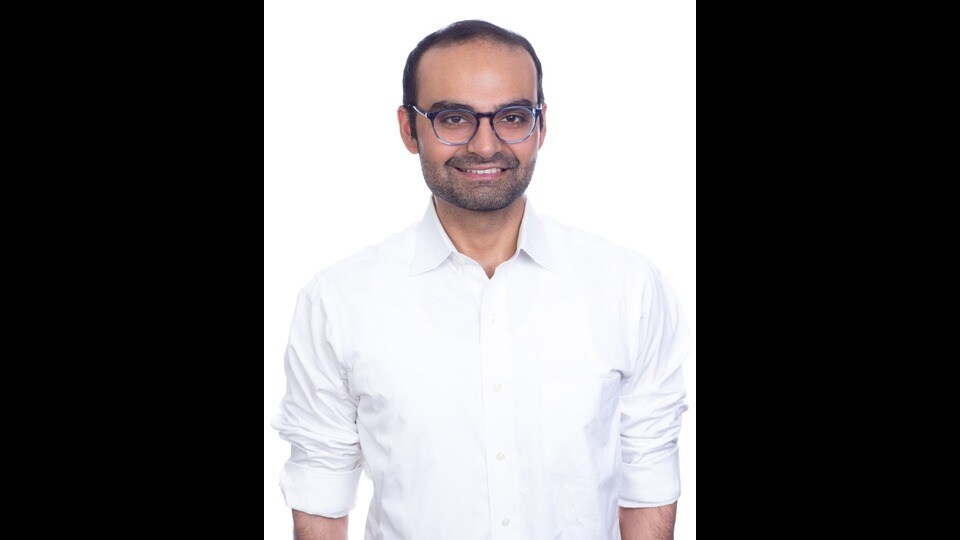
Arora was in Chandigarh recently to be a part of a jury for the Leap Ahead Startup Summit organised by Union Ministry of Electronics and Information Technology and Software Technology Parks of India. He spoke about his startup journey:
What’s this tech-enabled eatery startup?
The restaurant market is shifting towards delivery and pickup, changing the nature of consumers’ relationship with restaurants and how best to serve them. Industry estimates say that off-premise was about $90 billion of the $900 billion restaurant industry in 2021 and is projected to grow to $500 billion by 2030. Byte Kitchen offers consumers a curated selection of quality food from multiple restaurants and cuisines under one roof.
What’s the business model of this enterprise?
This unique business model helps independent restaurants expand without any expenditure. Byte Kitchen licenses restaurant brands, and serves their brand of food in the food halls it operates. Since its inception in 2021, we have opened two food halls in the San Francisco Bay Area (San Mateo and San Carlos), and partnered with 10 restaurants. We licensed recipes from top restaurants, and use a standardised, tech-enabled process to prepare fresh food on demand.
What prompted you to start Byte Kitchen?
Independent restaurants were among the hardest hit businesses during the pandemic. In-person dining went down and things moved to off-premise overnight. At the same time, dense urban centres and downtowns, where a lot of the restaurants are located were hollowing out and suburbs were seeing an influx of people who still had an affinity for their favourite restaurants. The lack of access to those restaurants was a massive gap that needed to be addressed. That’s where we saw a huge opportunity.
What’s the tech you built and deployed?
We’ve built a kitchen operating system that digitises tasks, including prepping, scheduling, time and attendance, workflow automation, and inventory. It has been instrumental in running eight restaurant brands out of the same kitchen with the same cross-functional team members.
How does it help consumers?
At present, there is no way consumers can order food from multiple restaurants efficiently. Our venture offers a mix and match solution, which is a value proposition for consumers.


