
 E-Paper



Punjab: Electoral manipulation: BJP, ECI stand exposed, says Warring
Warring further alleged that in Bihar, the BJP was employing the “reverse tactic” by deleting over 60 lakh voters—primarily dalits, minorities, adivasis, and labour-class citizens—who are less likely to vote for the BJP.

 Prefer HTon Google


Punjab Congress president Amarinder Singh Raja Warring on Sunday accused the Bharatiya Janata Party (BJP) and the Election Commission of India (ECI) of being complicit in “large-scale electoral fraud” following Rahul Gandhi’s presentation of what he called “irrefutable evidence” of voter list manipulation.
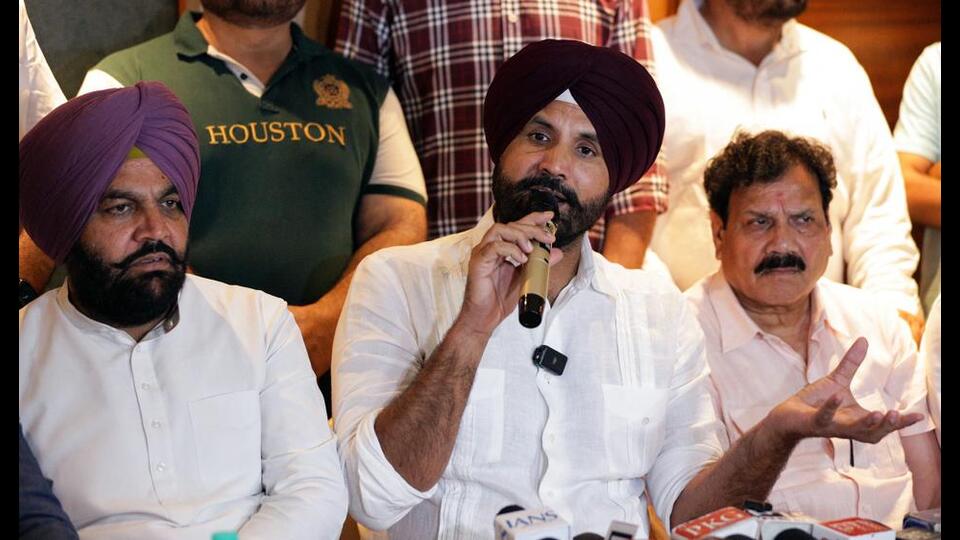
Speaking at a press conference in Amritsar, accompanied by senior party leaders including MP Gurjeet Singh Aujla, Harpartap Singh Ajnala, and Raj Kumar Verka, Warring alleged that the BJP has been “devising novel methods to steal elections” by manipulating voter rolls.
“In Maharashtra, after losing badly in the Lok Sabha elections, the BJP added nearly one crore voters within just four months,” he claimed. “As a result, the party, which was routed in the parliamentary polls, managed to win the Vidhan Sabha elections through pure fraud.”
Warring further alleged that in Bihar, the BJP was employing the “reverse tactic” by deleting over 60 lakh voters—primarily dalits, minorities, adivasis, and labour-class citizens—who are less likely to vote for the BJP.
He cited Karnataka’s Mahadevapura assembly segment as an example, where he claimed one lakh bogus voters were added to the rolls, giving the BJP a lead of 1.16 lakh votes in the area. “The party eventually won the Bangalore Central parliamentary seat by just 32,000 votes. Without these fake votes, they would have lost decisively,” Warring said.
He stressed that Mahadevapura was “just a case study” and that similar voter roll manipulations had occurred in several parliamentary constituencies across the country.
Referring to the Special Intensive Revision of electoral rolls in Bihar, Warring criticised the ECI for demanding multiple documents—such as birth certificates, passports, educational certificates, domicile papers, or government IDs—as proof of residence and identity. “These are extremely difficult for many to arrange within the one-month deadline,” he said.


