In a major relief to nearly 20,000 existing industrial units operating in non-conforming zones across Punjab, the state government has extended their exemption from the provisions of Section 79 of the Punjab Regional and Town Planning and Development Act, 1995, until September 30, 2027. Ludhiana alone accounts for around 10,000 of these units.
The exemption is subject to compliance with pollution-control norms prescribed by the Punjab Pollution Control Board (PPCB) and obtaining a no-objection certificate (NOC) from the board.
Non-conforming zones are areas where existing industries or other activities do not conform to the land-use designations prescribed under an approved master plan. For instance, an industrial unit operating in an area earmarked for residential use may fall into this category, depending on the applicable planning regulations.
The department of housing and urban development issued the notification on October 8. The relief covers 24 master-plan areas, including Ludhiana, Mohali, Nagar, Mullanpur, Dera Bassi, Zirakpur, Kharar, Banur, Jalandhar, Patiala, Amritsar, Bathinda, Khanna, Gobindgarh, Tarn Taran, Sangrur and Hoshiarpur, among others.
The latest notification follows an earlier exemption granted to industries operating in residential zones under the Ludhiana master plan, both within and outside municipal limits. Earlier, relief was granted for three years, from September 11, 2023, to September 10, 2026, subject to PPCB norms and an NOC.
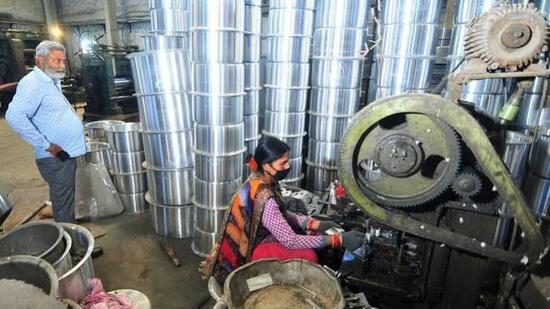
Units operating in these non-conforming zones largely comprise micro and small-scale manufacturing enterprises, including bicycle and automobile component makers, hosiery and garment manufacturers, fastener and hardware producers, sewing-machine parts manufacturers, and small engineering and fabrication workshops. Some units also undertake metal-surface treatment and electroplating, activities that require particular attention to environmental compliance.
{{/usCountry}}Units operating in these non-conforming zones largely comprise micro and small-scale manufacturing enterprises, including bicycle and automobile component makers, hosiery and garment manufacturers, fastener and hardware producers, sewing-machine parts manufacturers, and small engineering and fabrication workshops. Some units also undertake metal-surface treatment and electroplating, activities that require particular attention to environmental compliance.
{{/usCountry}}The government cited the fact that the notified master plans had either been completed or were nearing 15 years since their notification as the basis for extending the relief. The move aims to provide continuity to existing industrial operations in areas where their land use does not conform to approved master plans.
Section 79 of the 1995 Act forms part of the legal framework governing land use and development under the state’s planning system. The exemption provides specified existing industries relief from its provisions for the notified period, subject to the conditions laid down by the government.
Meanwhile, industrialists in Ludhiana staged a protest on Thursday over the expiry of the earlier exemption, raising concerns about the future of nearly 10,000 industrial units operating across 72 mixed land-use (MLU) areas in the city. The protest was led by Jaswinder Singh Thukral, president of the Janta Nagar Small Scale Manufacturers Association.