Prayers, rituals, shopping, exchanging gifts, gorging on sweats and savouries, decorating the house, dressing up in regal Indian wear or swanky western wear, card parties, business opportunities, bumper sales, crackers and twinkling lights, people look forward to Deepawali for different reasons. Well, to each his own!
Most people start cleaning every nook and cranny of their house, several days before Diwali. This means turning out all the forgotten crockery, linen, clothes, blankets, and books, clearing the closets, and cleaning ceilings, carpets and corners of dust, mites, and cobwebs.
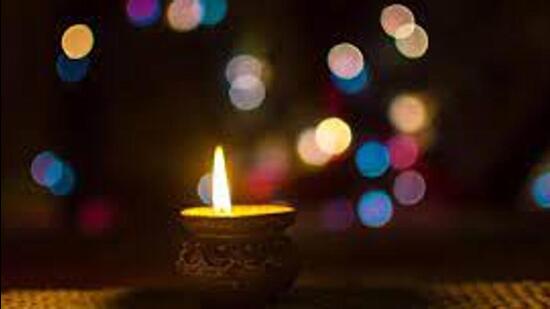
Drawing colourful rangolis and dainty Lakshmi Charan and putting Diyas at the entrance is the fun part. My mother says that on Diwali, Goddess Lakshmi only visits homes that are clean, sparkling and decorated. I now, realise that it ensured that every inch of the house was cleaned at least once annually. Leaking roofs and moisture in cupboards that may damage delicate clothes and quilts get fixed during Diwali cleaning. Besides, lighting traditional oil lamps kills bugs and cleanses the atmosphere.
The first day of festivities is Dhanteras. On this day, Lord Dhanwantri emerged holding a kalash during the Samudra Manthan. It is considered auspicious to buy metal utensils on dhanteras, and people as per their purchasing capacity buy gold, silver, copper and clay utensils. Some also purchase ornaments and vehicles. As a result, the economy of the country takes a turn and even the smallest trader earns an extra buck.
{{/usCountry}}The first day of festivities is Dhanteras. On this day, Lord Dhanwantri emerged holding a kalash during the Samudra Manthan. It is considered auspicious to buy metal utensils on dhanteras, and people as per their purchasing capacity buy gold, silver, copper and clay utensils. Some also purchase ornaments and vehicles. As a result, the economy of the country takes a turn and even the smallest trader earns an extra buck.
{{/usCountry}}It is followed by Narak Chaturdashi. It is the day Lord Krishna annihilated the demon Narakasura. Popular belief encourages one to take an oil massage to overcome the fatigue of Diwali preparations on this day. Well! No harm in getting a massage to pamper yourself!
The third day of festivities is ‘Diwali’ that falls on Amavasya. Lord Ganesha is propitiated for heralding in auspiciousness. Goddess Lakshmi is worshipped as the harbinger of wealth and prosperity. The Ramayana documents that Lord Rama returned to Ayodhya along with Sita and Lakshman after fourteen years of exile on this day. As it was a moonless night, people illumined the pathway to Ayodhya with oil lamps to welcome their beloved Lord. They distributed sweets to celebrate His return. The jubilation led to song, dance and festivity. There were obviously no crackers in that era.
Govardhan Puja takes place on the next day, which is also observed as Vishwakarma Day. On this day, Lord Krishna had lifted the Govardhan Parvat on His little finger to shelter the cowherds, milkmaids, and cattle from the deluge. Craftsmen worship the divine architect Vishwakarma and their tools on this day. I think of it as a day of rest after the hectic activities of Diwali.
Then comes Bhai Dooj. Lord Yama had visited his sister Yamuna with gifts on this day. The tradition continues with brothers visiting their sisters’ homes with gifts. Perhaps, with so much happening on Diwali, it is hard for men to visit their married sisters, so another day has been earmarked!
Well! Whatever Diwali means to you, do look deeper into the soul of the festivities. While cleaning your home to invite the Gods, sweep out greed and pettiness. While decorating your home, embellish your inner self with contentment and devotion. When you binge on goodies, spare some for the lesser fortunate, they will certainly value it, Cleaning our inner self is paramount because the Lord resides only in pure sparkling hearts. When you light diyas, light your face with a smile and burn your vices and anger. Refrain from crackers and let your eyes do the twinkling. Be kind to the planet.
And when you light a lamp in your mandir, light one in your mann-mandir too! Emerge victorious over your negativities and radiate light and love. This is the true meaning of Diwali.