The Dharamshala-based Tibetan government-in-exile, the Central Tibetan Administration (CTA) is coming up with a new ‘Language Policy’ aimed at safeguarding Tibetan language and identity.
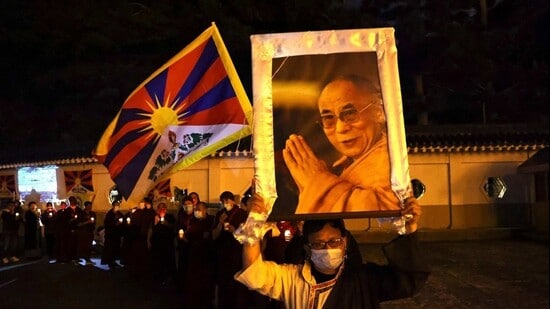
The draft policy was reviewed during a Kashag (cabinet) meeting on Tuesday and is expected to be formally announced later this month.
The initiative comes after China implemented its new ‘Law on Promoting Ethnic Unity and Progress’ on July 1, following its passage by the 14th National People’s Congress in March.
The law allegedly undermines the Tibetan language by legally prioritising Mandarin Chinese in education and government affairs.
Sikyong Penpa Tsering, the political leader of the CTA, emphasised the deep civilisational ties connecting Tibetan heritage to India.
“The policy talks about the importance of the Tibetan language and why it needs to be preserved—not only for Tibet and Tibetans, because the script came from India. The philosophy we follow is Buddhist philosophy, which also came from India. We consider ourselves an extension of that rich Indian cultural heritage and wisdom. What the Chinese government is doing is destroying all of it. So, we have to make sure that we preserve it,” Sikyong said, adding that the framework outlines specific responsibilities for the CTA, schools, parents, and community institutions.
To counter the legislation effectively, the CTA plans to launch awareness campaigns dissecting the legal implications of the Beijing directive. Sikyong noted that challenging the policy requires understanding how it contradicts China’s own constitutional provisions and how it is morally and legally not binding on Tibetans.
{{/usCountry}}To counter the legislation effectively, the CTA plans to launch awareness campaigns dissecting the legal implications of the Beijing directive. Sikyong noted that challenging the policy requires understanding how it contradicts China’s own constitutional provisions and how it is morally and legally not binding on Tibetans.
{{/usCountry}}Previously, the Tibetan Parliament-in-Exile passed a resolution in March rejecting the law as an instrument of forced cultural assimilation.
In April a group of United Nations special rapporteurs raised concerns about China’s ethnic unity law and issued warnings that it may undermine fundamental minority rights.