In a bid to curb unfair trade practices in the pharmaceutical industry, the UT health secretary has urged the National Pharmaceutical Pricing Authority to closely monitor the maximum retail price (MRP) of certain non-schedule formulations (drugs not under direct price control).
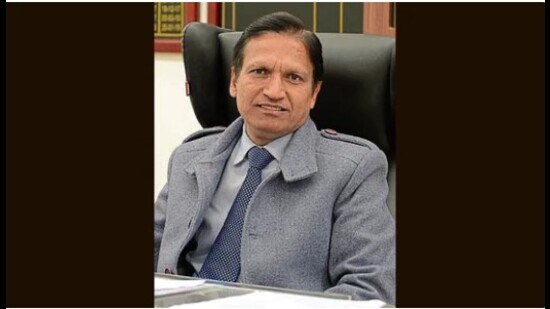
The move comes as a response to concerns about potential price manipulation and the need to protect consumers from exploitative practices. The health secretary’s appeal aims to ensure transparency and fairness in the pharmaceutical market, while highlighting the critical need to maintain affordable access to essential medications for all.
The National Pharmaceutical Pricing Authority (NPPA) under the department of pharmaceuticals is a regulatory body to implement and enforce the provisions of the Drugs Price Control Order (DPCO).
On April 15, health secretary Yashpal Garg, disguised as a patient, had visited three chemist shops on the campus of GMSH, Sector 16, where each of them had provided a different syrup for similar salts magaldrate, simethicone and oxetacaine.
On further probe by drug inspectors, it was observed that a manufacturer based in Parwanoo, Solan, Himachal Pradesh, initially sold the “MCAIN” brand for ₹18 per bottle, while setting the MRP at ₹267.
However, as the product changed hands in the distribution chain, it was successively sold for ₹18, ₹25, ₹171, ₹190.72 and finally, for ₹226.95 to the consumer, including a 15% discount. This analysis revealed that the syrup’s MRP amounted to a significant 1483% increase from the manufacturer’s initial sale price.
{{/usCountry}}However, as the product changed hands in the distribution chain, it was successively sold for ₹18, ₹25, ₹171, ₹190.72 and finally, for ₹226.95 to the consumer, including a 15% discount. This analysis revealed that the syrup’s MRP amounted to a significant 1483% increase from the manufacturer’s initial sale price.
{{/usCountry}}Similarly, the brand “RICAINE” from a Mohali-based manufacturer was initially sold for ₹19 per bottle with the MRP of ₹159 – a 837% spike from the initial sale price.
The third brand, “SUFIT-O”, by a manufacturer in Baddi, Solan, Himachal Pradesh, was initially sold for ₹18 per bottle with the MRP of ₹160, 889% higher than the initial sale price.
The health secretary highlighted that the high MRPs observed in the case of non-schedule formulations raised concerns about unfair trade practices by manufacturers and dealers. Similar practices may be occurring with other non-schedule formulations.
Garg noted that the manufacturers and dealers had not informed authorities about the MRPs, urging a thorough examination of the matter and appropriate action.
“Chandigarh is in the process of establishing a pharmaceutical price monitoring resource unit and a society has already been registered for that purpose, but it may take some time to start,” added Garg.