The Central Public Works Department (CPWD) has written to Delhi’s forest and wildlife department, seeking clarity on what constitutes a tree based on the definition provided in the Delhi Preservation of Trees Act (DPTA), 1994. The Act defines a tree as “a woody plant that has branches supported by a trunk or a body of at least 5cm diameter and is at least one metre high from the ground”.
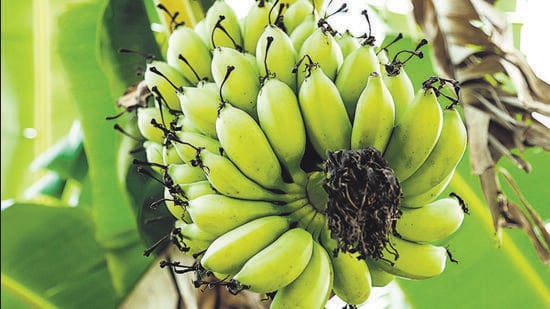
However, CPWD said that going by this definition, herbaceous “trees” like palm, plantain, and papaya would not be considered trees given that their main trunk or branches are not “wood”.
ALSO READ: Bishnois raise concern over felling of Khejri trees
PK Tripathi, deputy director general (horticulture) at CPWD sent the letter on April 11, referring to a workshop organised by the forest department on April 10 in which the provisions of the DPTA were explained. However, the CPWD spokesperson, when contacted, did not comment on why the clarity was sought, nor did Tripathi respond to HT’s queries.
In the letter, CPWD said certain monocots like the Joshua tree or bamboo do not have secondary growth of wood and never produce true wood but they still produce what might be considered “pseudo wood”, stating the definition of trees may change based on the species and their characteristics.
“A commonly applied narrower definition is that a tree has a woody trunk formed by secondary growth, meaning that the trunk thickens each year by growing outwards, in addition to the primary upwards growth from the tip. Under such a definition, herbaceous plants such as palms, bananas, and papayas are not considered trees, regardless of their height, growth form, or stem girth,” Tripathi said in the letter.
The letter also referred to certain monocotyledons (grass and grass-like flowering plants) and said they may also be considered trees under a slightly loose definition.
“While the Joshua tree, bamboo, or palm do not have secondary growth and not produce true wood, they may produce “pseudo wood” by lignifying cells formed by primary growth. Aside from structural definitions, trees are also commonly defined by use, for instance, as plants that yield timber. Keeping in view the reasons and circumstances explained above, this office requests clarifications from the competent authority,” it added.
{{/usCountry}}“While the Joshua tree, bamboo, or palm do not have secondary growth and not produce true wood, they may produce “pseudo wood” by lignifying cells formed by primary growth. Aside from structural definitions, trees are also commonly defined by use, for instance, as plants that yield timber. Keeping in view the reasons and circumstances explained above, this office requests clarifications from the competent authority,” it added.
{{/usCountry}}The forest department has been conducting weekly workshops since February 5 with Delhi’s greening and construction agencies, comprising several state and central government departments too. The workshop on April 10 was held online. The workshops were started following several Delhi high court orders in which government departments, including the Public Works Department (PWD), were fined for violating provisions of the DPTA.
The workshop module works to educate agencies on how to carry out civil construction work without damaging trees or plants.
A senior forest department official said the workshops aim to clarify doubts and queries about the Act. “If any agency has a query, they can contact us directly and we will provide the information. The definition of a tree in Delhi is quite clear and covers broad aspects of each species. While palms are defined as trees, based on the Forest Conservation Act, papayas and bananas, for instance, are not, as they do not meet the criteria of this definition,” the official said.
A tree, as defined by the DPTA, enjoys protection under the Act and cannot be felled without permission from the forest and wildlife department. Based on this, one needs permission to fell a palm tree, while no permission is required to fell a papaya or plantain tree.
Bhavreen Kandhari, an environmental activist, said the DPTA was the only legislation in the country, which defines “tree” clearly. “Even then, the definition is not being implemented on the ground. DPTA is the only safeguard in protecting urban trees, but its implementation has been severally impacted. A large city like Delhi needs more tree officers to take action against violators of the Act,” she said, stating there was no need to amend the existing definition either.
Stay updated with all top Cities including, Bengaluru, Delhi, Mumbai and more across India. Stay informed on the latest happenings in World News along with Delhi Election 2025 and Delhi Election Result 2025 Live, New Delhi Election Result Live, Kalkaji Election Result Live at Hindustan Times.
Stay updated with all top Cities including, Bengaluru, Delhi, Mumbai and more across India. Stay informed on the latest happenings in World News along with Delhi Election 2025 and Delhi Election Result 2025 Live, New Delhi Election Result Live, Kalkaji Election Result Live at Hindustan Times.