
 E-Paper



Kejriwal launches 15-point plan to keep air breathable in Delhi winter
The CM also urged other National Capital Region (NCR) to assist in the efforts, especially on curbing farm fires and the use of firecrackers during Diwali.

 Prefer HTon Google


Chief minister Arvind Kejriwal on Friday unveiled a 15-point winter action plan to kick in from October 1, when teams from various agencies will fan out across the city to intensify vehicle checks, curb sources of dust and industrial pollution, stop crop burning, and carry out regular cleaning of roads in an effort to stave off the annual pre-winter air quality crisis.
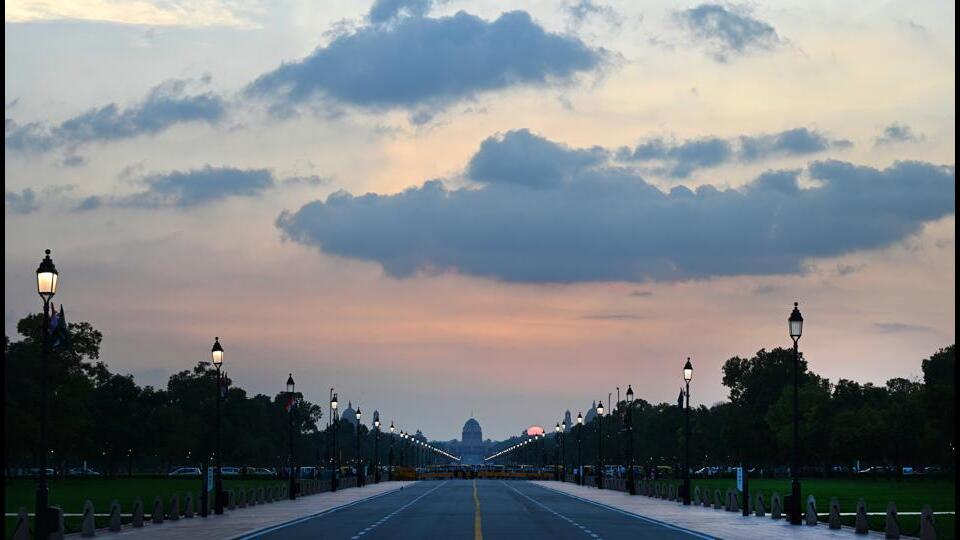
The CM also urged other National Capital Region (NCR) states to assist in the efforts, especially on curbing farm fires and the use of firecrackers during Diwali, a day after Gurugram announced it would allow the bursting of green firecrackers in a two-hour window for the festival. Experts doubt green firecrackers are any better than conventional ones.
We are on WhatsApp now. Click to join.
“We have identified thirteen hot spots where pollution is high and an action plan has been made for each hot spot and a war room has been made too. Thirteen special teams have been also formed. Last year, we used bio-decomposer to control stubble burning in 4,400 acres, this year it will be used in 5,000 acres,” the CM said.
Also Read: Supreme Court backs Delhi govt, says no to production, sale of green firecrackers
The government has formed 591 teams to monitor construction sites, a big source of dust, Kejriwal added. The plan, which involves 28 departments including environment, transport, traffic police, municipal bodies, and other agencies to check pollution, has been prepared based on reports and suggestions from these departments. A joint meeting regarding this was held on September 14.
Every winter, Delhi and NCR experience a huge spike in air pollution due to a combination of local, external and meteorological factors. Chief among them is the practice of setting afire paddy remnants after harvesting, which is rampant in parts of Punjab and Haryana. These emissions then combine with smoke from burning of garbage, road dust and tailpipe gases, creating a toxic cocktail that settles in on the region for days on end as low temperatures and weak winds prevent them from blowing away.
Smoke from firecrackers used during Diwali invariably worsens this crisis.
For at least seven years now, the Capital’s air has plunged into the severely polluted category, with the Air Quality Index (AQI) climbing past 400 and even 450.
The concentration of ultra fine PM2.5 particles, which can reach deep into the lungs and enter the bloodstream, shoots up to levels unfit for breathing, and has forced the administration to close schools and ask the elderly and children to stay indoors.
To be sure, the Aam Aadmi Party-led Delhi government unveiled 15 action points to tackle pollution last year as well and this is a yearly affair. The party is also in power in Punjab, where a bulk of the farm fires take place. Punjab has pledged to reduce the number of such fires by 50%.
On Friday, Kejriwal said the AAP took multiple steps in six months and claimed a 30% reduction in stubble burning in Punjab, according to government data. “Multiple steps have been taken this year by Mann government such as diversification of crops which will reduce usage of water and stubble burning, use of short term varieties of paddy which produces less stubble and also afford long period for disposal of stubble,” he said.
The CM also said that the Delhi government has put in consistent efforts through the years to curb pollution in the city, and added that in the last seven years, Delhi had witnessed a 30% reduction in pollution.
“In 2014, the (average) PM2.5 was 149 which reduced to 103 in 2023. In 2014, PM10 was 324 (on average) has come down to 223 in 2023. In 2016, Delhi had 109 good air days which has increased to 163 days in 2023,” Kejriwal said. Underlining the role of public transport in checking air pollution, he said the government has purchased buses on a large scale, especially e-buses. “Currently, 7,135 public buses are on the streets of Delhi, including 800 electric buses and 17% of total vehicles being purchased in the Capital are e-vehicles,” Kejriwal said.
Stating that the menace of air pollution does not follow the boundaries between Haryana, Uttar Pradesh and Delhi, Kejriwal said the state government will make coordinated efforts with the Commission for Air Quality Management (CAQM) as well as other NCR states. “The data of the Centre for Science and Environment shows that 31% of pollution in Delhi is caused by internal sources and 69% due to external (outside Delhi) sources. We appeal to nearby states to ensure that vehicles entering Delhi from nearby states are converted to CNG vehicles,” Kejriwal said.
Experts say the success of the action plan will depend on its implementation. Anumita Roychowdhury, CSE’s executive director (research and advocacy) said: “The effectiveness will depend on the scale and speed of implementation of the strategies identified. At the same time the ongoing action targeting all key sources of pollution needs to gather momentum for more sustained changes.”
Delhi BJP chief Virendra Sachdeva said the action plan is a copy-paste from last year. “The government has not shared what action it took to reduce pollution in these areas and what was the impact...The AAP government is not serious about checking pollution,” Sachdeva alleged.


