E-Paper



Mercury rebounds to 41.6°C in Delhi; Most heatwave days in April since 2010
A heatwave is declared when the maximum temperature is above 40°C and 4.5 degrees higher than normal and a severe heatwave is when mercury is above 40°C and 6.5 degrees higher than normal.

 Prefer HTon Google


The Capital saw another heatwave on Monday -- the seventh so far this month and the highest for April since 2010 -- with the Safdarjung observatory, Delhi’s base station for weather, recording a maximum of 41.6 degrees Celsius (°C), five degrees above normal for this time of the year and 0.7 degrees up from a day ago. Delhi saw 11 heatwaves in April 2010 and six heatwaves during the month in 2017.
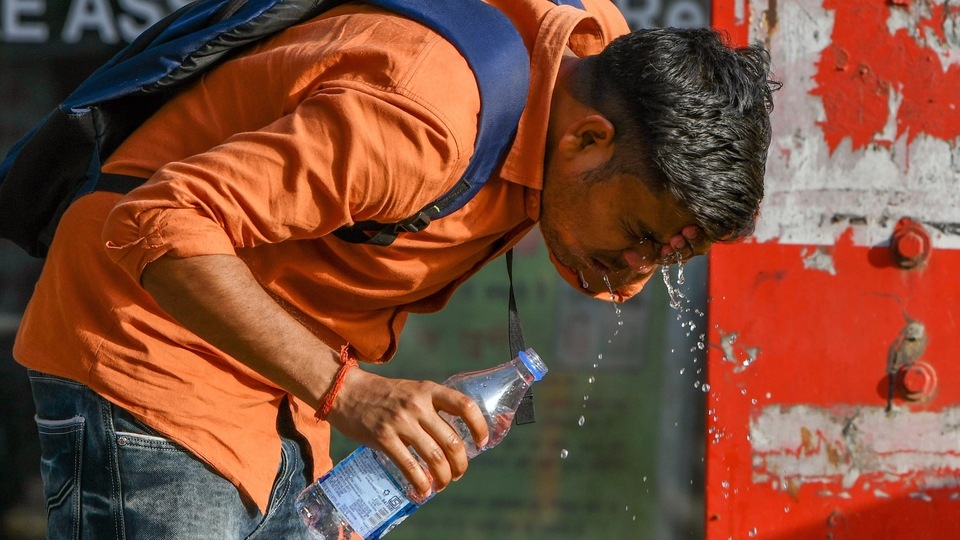
The India Meteorological Department (IMD) has forecast an eighth heatwave day for Delhi on Tuesday, after which officials said the Capital is likely to see respite in the form of thunderstorm and dust storm activity on Wednesday and Thursday, with parts receiving drizzle activity.
A heatwave is declared when the maximum temperature is above 40°C and 4.5 degrees higher than normal and a severe heatwave is when mercury is above 40°C and 6.5 degrees higher than normal.
“Delhi has already recorded seven heatwave days in April so far and the eighth such day is expected on Tuesday, with the maximum once again expected to hover around 42°C. However, we can expect a temporary respite from Wednesday onwards, with gusty winds expected from the evening onwards, with parts also receiving a drizzle. This dust storm and thunderstorm activity will be seen on Thursday as well, with very light rain hitting parts of Delhi. This will provide a slight cooling effect,” said IMD scientist RK Jenamani.
Delhi has seen a dry spell for nearly two months, with no rainfall recorded at Safdarjung since February 27.
The IMD had a ‘yellow alert’ -- issued to warn people about a particular weather event -- in place in the city on Monday and officials said the alert will remain for Tuesday as well. IMD’s forecast for Tuesday shows strong surface winds of 20-30 km/hr during the day, with the temperature expected to hover between 23°C and 42°C at Safdarjung.
According to Met officials, heatwave conditions will subsequently return only in the last week of April, when the normal maximum temperature is already 38.6°C.
On Monday, Najafgarh was Delhi’s hottest location, recording a maximum temperature of 43°C, followed by the Ridge and Pitampura stations, which recorded a maximum of 42.9°C each. Delhi recorded its hottest day of the year on April 11, when Safdarjung recorded a maximum temperature of 42.6°C. It is also Delhi’s hottest April day in the last five years, since April 21, 2017, when mercury rose to 43.2°C.