The electricity crisis in Uttar Pradesh is deepening with the countrywide coal shortage hitting power generation in the state. Consequently, UP’s share in the power from the Central pool also stands reduced, people dealing with the issue said.
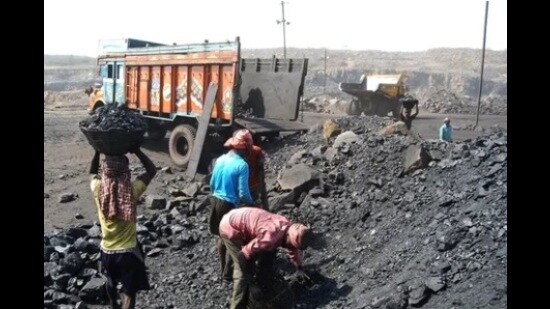
Due to the coal shortage, the state is already losing around 8,000 MW of power. As a result, the demand-supply gap has increased to around 4,000 MW in the state even as the demand continues to be more than 20,000 MW.
The UP Power Corporation Ltd (UPPCL) is trying to manage things by resorting to additional power cuts of six hours in rural and semi-urban areas that are getting power supply for only 12 hours a day these days.
“As per the government roster, rural and semi-urban areas are supposed to get power supply for 18 hours but we are not able to provide electricity to them for more than 12 hours due to the reduced availability of electricity in the state,” disclosed a senior UPPCL official requesting anonymity.
“However, no additional load shedding is being done in cities including district headquarters,” he added.
{{/usCountry}}“However, no additional load shedding is being done in cities including district headquarters,” he added.
{{/usCountry}}The total power outage in UP is around 8,000 MW due to the coal crunch. “The power outage is more than 1,200 MW in the state-owned thermal plants and 4,000 MW in the private thermal plants while the state’s share in the power available from the NTPC is also down by around 2,500 MW,” the official disclosed.
According to information available on the Central Electricity Authority’s website the UP Rajya Vidyut Utpadan Nigam’s Hariduaganj and Parichha thermal plants have already run out of coal stock while the Obra and Anpa plants are left with stock sufficient for only two-three days each. Similarly, the eight private thermal plants in the state are also left with two-three days’ stock.
Utpadan Nigam managing director P Guruprasad said that the daily coal supply had been halved in the state hitting power production in the coal-fired plants. “He said pent up post-Covid demand due to resumption of economic activity, low coal stocks as well as heavy rains last month hampering mining of coal appear to be primarily responsible for the sudden coal and power shortages,” he pointed out.
Energy minister Shrikant Sharma said that the crisis had arisen because of the world-wide shortage of coal and the shortage, he added, had naturally hit power production in UP as well. “Despite the tough situation, all efforts are being made to provide power to the people as per the roster. State energy department officials are in regular touch with their counterparts in the coal and power ministries to find a way out,” he said.
Sharma further added that the UPPLC had been asked to purchase electricity from all available sources, including the energy exchange, to meet the power demand in the state.
Expressing concern over the situation UP Rajya Vidyut Upbhokta Parishad chairman Avadhesh Kumar Vema demanded that the Centre fix the maximum per unit price of electricity that the energy exchanges sold to the states. “Energy exchanges are trying to take advantage of the crisis by selling power at as high a rate as up to ₹10 per unit. The government must put a price cap,” he demanded.