
 E-Paper



Lucknow: Fears of lingering stir persist all through the day
A senior IOC official SK Tripathi said the strike has disrupted the arrival of fuel tanks and LPG trucks from outside the state as well as their movement within the state.


The second day of a truckers’ pan-India strike, which was reportedly called off late on Tuesday night, impacted the movement of essential goods even as 50 per cent of the UP State Road Transport Corporation (UPSRTC) buses also stayed off roads in the state.
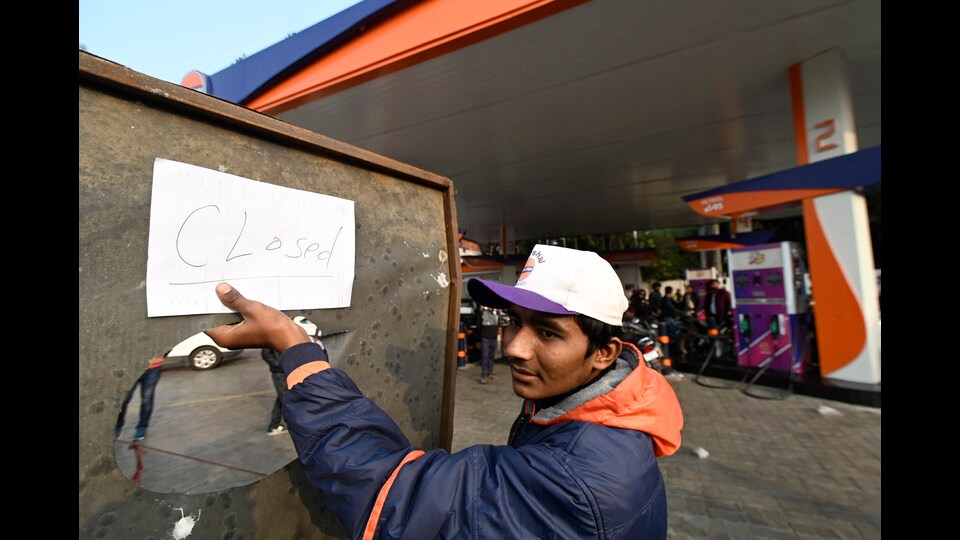
Amid apprehensions that fuel stations may start running dry and essential goods will be in short supply if the strike prolongs, oil agencies on Tuesday took stock of the situation in the state to make necessary arrangements.
A senior IOC official SK Tripathi said the strike has disrupted the arrival of fuel tanks and LPG trucks from outside the state as well as their movement within the state.
“Filling stations normally have a stock capacity that can last for 2-3 days while the capacity of many others is only for a day. So, the possibility of many pumps having already gone dry cannot be ruled out,” he said.
Swarn Singh, another senior IOC official who looks after the LPG segment, said the strike had significantly affected the arrival of cooking LPG cylinders not only from source points outside the state but also from godowns to dealers in cities.
AK Shukla of Krishna Medical Store said, “The supply of medicines will certainly get affected if fuel stations go dry since transporting medicines in that case will not be possible,” he pointed out.
Similarly, the arrival of food grains, vegetables, fruits and the likes in mandis was also disrupted across the state and so was procurement of eggs from other states. The arrival of vehicles to a Lucknow mandi, for example, decreased by around 50%.
“As many as 155 vehicles were unloaded in the Lucknow mandi on December 31 but the number came down to only 89 on January 1 and the number may be even less on Tuesday when the counting is done in the night,” Lucknow Mandi Samiti secretary Renu Verma said.
Commuters, meanwhile, continued to have a tough time on the second day of the strike as well, although with a mitigated effect. Most tempos and autorickshaws that were on strike the first day started operations on Tuesday giving some relief to commuters. However, 50% of UPSRTC’s fleet of around 12,000 buses were still not functioning on Tuesday.
“We are counselling drivers and allaying their misplaced fears about the proposed punishment in hit-and-run cases and this seems to be working as more and more drivers are now joining back on duty,” said Amar Sahaya, a senior UPSRTC official.
The commissioner of food and civil supplies, Sourabh Babu, said there were no complaints about shortage of essential commodities anywhere in the state so far. “We will take appropriate and prompt action if scarcity or hoarding of any essential commodity is reported,” he said.
Chief Secretary Durga Shankar Mishra held a video conference with the DMs and districts police chiefs where he stated that rumors were being spread and transportation was being obstructed by some organizations due to misconceptions about the proposed law.
He emphasized that the uninterrupted supply of essential services was the top priority of the government.


