Amid the ongoing debate on caste assertion in politics, the Election Commission of India (ECI) has submitted an affidavit in the Lucknow bench of the Allahabad high court, stating that it cannot deregister political parties on the grounds of holding caste-based rallies as there is no such provision in the Representation of the People Act, 1951.
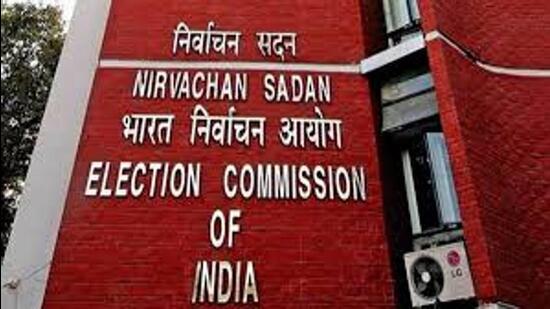
The Act empowers it to register political parties under section 29A, the ECI said in the affidavit submitted in the high court on Thursday in reply to a public interest litigation filed by advocate Moti Lal Yadav. The PIL sought a ban on caste-based rallies and action against political parties.
Along with ECI, the Centre and the state government also submitted their affidavits in the high court.
In its reply, the ECI also stated that it has no jurisdiction to restrict political parties from convening meetings and rallies on caste lines during the non-election period and to ban them from contesting subsequent elections.
“The Election Commission of India is not empowered to deregister political parties except on limited grounds,” the ECI said in its reply to the court.
The ECI said it can cancel the registration of a political party only when it is found that the party has obtained registration by practising fraud or forgery and where the party amends its nomenclature of association, rules and regulations or any like ground.
{{/usCountry}}The ECI said it can cancel the registration of a political party only when it is found that the party has obtained registration by practising fraud or forgery and where the party amends its nomenclature of association, rules and regulations or any like ground.
{{/usCountry}}The commission also said that the Model Code of Conduct (MCC) is a unique document prepared with the consensus of political parties.
“The MCC has no statutory backing and many of its provisions are not legally enforceable,” it added.
“The MCC is applicable only during the period of election, from the date of announcement till the completion of elections,” said the ECI, expressing its inability to take action against political parties during the non-election period.
In the affidavit, the ECI listed instances when it took action against political parties during the election period. The Allahabad high court on September 16, 2025 had directed the state government to amend police manuals and regulations to prohibit disclosure of caste in investigations and public records relating to complainants, accused and witnesses.
The only exception will be cases where the law requires caste disclosure, such as those filed under the SC/ST Act, said Justice Vinod Diwakar in his order.
The court made these observations while dealing with a Section 482 (inherent powers of high court) of the CrPC petition, where the FIR and seizure memo contained caste details of the accused.
On September 21, 2025, the then officiating chief secretary Deepak Kumar issued a 10-point directive to district magistrates and police chiefs in Uttar Pradesh, banning caste-based political rallies, prohibiting caste symbols on vehicles and signboards, and even mandating the removal of caste references from police records like FIRs and arrest memos.