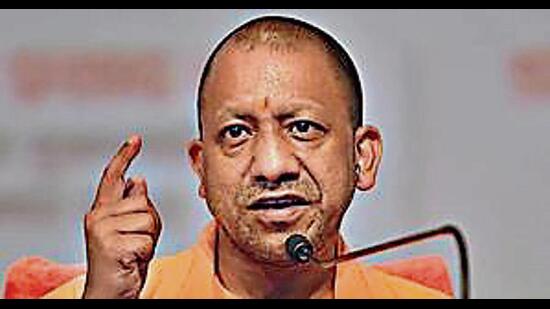
Chief minister Yogi Adityanath on Thursday approved the establishment of the Uttar Pradesh Outsource Service Corporation (UPCOS)—a dedicated body aimed at bringing transparency, stability and trust in the employment of outsourced staff in state government departments.
Reservation provisions for Scheduled Castes (SCs), Scheduled Tribes (STs), Other Backward Classes (OBCs), economically weaker sections (EWS), women, Divyangjan and ex-servicemen will be followed in all appointments made by the proposed corporation. The corporation will give priority to destitute, divorced and abandoned women.
The establishment of UPCOS is being termed as a landmark decision of the Yogi government to safeguard labour rights, remuneration, and social security of lakhs of outsourced personnel across Uttar Pradesh.
With the establishment of UPCOS the BJP government aims to counter the opposition tirade about denial of employment opportunities for OBCs, SCs and STs in the recruitment of outsourced staff in various departments. In the 2024 Lok Sabha election, the Opposition had raised the issue to corner the state government. The NDA allies, including the Apna Dal (S), Suheldev Bharatiya Samaj Party and the NISHAD party, had also sought reservation in the recruitment of outsourced workers.
At a high-level meeting on Thursday, the chief minister issued directives to senior officials regarding the proposed corporation’s structure, functioning, and scope. He emphasized that the state government is fully committed to upholding the dignity, rights and socio-economic interests of outsourced workers.
{{/usCountry}}At a high-level meeting on Thursday, the chief minister issued directives to senior officials regarding the proposed corporation’s structure, functioning, and scope. He emphasized that the state government is fully committed to upholding the dignity, rights and socio-economic interests of outsourced workers.
{{/usCountry}}Highlighting the flaws in the current decentralised outsourcing system—such as delayed payments, unauthorised deductions, denial of EPF/ESI benefits, and lack of transparency—the chief minister stressed the urgent need for systemic reform.
He said the proposed corporation will be formed under the Company Act.
A Board of Directors and a director general will be appointed under the chairmanship of the chief secretary. Committees will also be formed at the divisional and district level. Agencies will be selected through the GEM portal for a minimum of three years.
It will also be ensured that the services of the currently employed personnel are not interrupted, and they receive weightage based on their experience in the selection process.
He directed the officers that the remuneration of all outsourced personnel be sent directly to their bank accounts by the fifth of every month, and that the amounts for EPF and ESI should be deposited on time. Additionally, all benefits allowed by EPF, ESIC and banks should also be provided to the employees.
He clarified that the corporation should maintain its role as a regulatory body, which monitors the functioning of the agencies and ensures blacklisting, debarment, penalties, and legal action for violations of the rules.
No outsourcing should be done against regular posts, and no personnel should be removed without the approval of a competent departmental authority, the CM said.
Reaffirming his government’s commitment to employee dignity, social justice, and administrative accountability, he said UPCOS will open a new chapter in governance.
This initiative will not only benefit lakhs of outsourced workers but also enhance the overall efficiency and integrity of the state’s administrative system, he added.