Mumbai: Fifteen years after 56-year-old Aarti Chabalani was found murdered in her Santacruz home, both men accused of the crime stand acquitted. While the Bombay High Court had, in 2024, acquitted her house help Rajkumar Nishad alias Sunil Yadav, his alleged accomplice Shrishyam Paswan alias Gujar, now 37, too was acquitted last week.
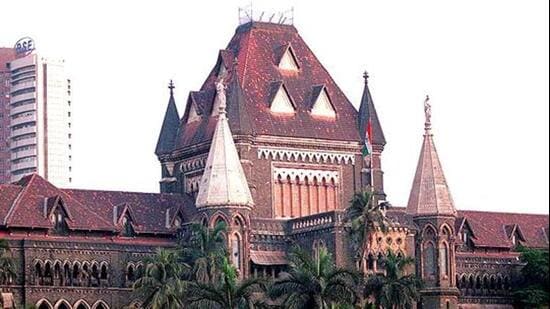
The court held that Paswan’s presence at the scene of crime was itself doubtful, though Chabalani’s death was undoubtedly homicidal.
Chabalani was found dead in her second floor flat in Santacruz West on August 11, 2011, with her legs tied by a rope and her throat slit. Cash of about ₹50,000 and an iPhone were reported missing from her home, and the incident had brought unverified house helps under the police’s scanner.
In 2014, a sessions court had convicted both Nishad and Paswan and sentenced them to life imprisonment. They had both appealed against their conviction but their appeals were separated after Paswan jumped parole.
On October 1, a bench of justices MS Karnik and Sandesh Patil acquitted him of all charges in the case, even as he remained absconding.
According to the prosecution’s case built on circumstantial evidence, Nishad was recruited as a house help days before the incident by Chabalani who had another house help, Devendra Upadhyay. On the day of the incident, Nishad allegedly gave Upadhyay a chocolate laced with sedatives which made him unconscious. When Upadhyay woke up, he found Chabalani in a pool of blood and informed her husband and daughter who had gone out. Her husband then lodged a complaint leading to registration of an FIR.
{{/usCountry}}According to the prosecution’s case built on circumstantial evidence, Nishad was recruited as a house help days before the incident by Chabalani who had another house help, Devendra Upadhyay. On the day of the incident, Nishad allegedly gave Upadhyay a chocolate laced with sedatives which made him unconscious. When Upadhyay woke up, he found Chabalani in a pool of blood and informed her husband and daughter who had gone out. Her husband then lodged a complaint leading to registration of an FIR.
{{/usCountry}}The police’s case was based on 15 witness statements and the recovery of a blood-stained brass pot from Chabalani’s daughter’s room. The prosecution banked on three things – that the accused was last seen with Chabalani, the brass pot and the identification of the accused by the building watchman.
The court said that the prosecution had failed to examine Upadhyay on time and he had made no mention of Paswan in his statement to the police. About the recovery of the brass pot, the court said, “...it is difficult to believe that the brass pot was recovered at the instance of the accused No.1 (Nishad).” It also said that the chemical analysis of the blood found on the pot was not interpretable.
The court said that the evidence of the watchman who identified Paswan seemed like he was confused; he had said that he was shown Paswan in jail where he was taken for an identification parade.
“This piece of evidence has to be discarded,” the court said. “The important circumstance in the chain viz. the presence of the appellant at the scene of the offence itself being doubtful…the prosecution case must fail.”
Stay updated with all the Breaking News and Latest News from Mumbai. Click here for comprehensive coverage of top Cities including Bengaluru, Delhi, Hyderabad, and more across India along with Stay informed on the latest happenings in World News.
Stay updated with all the Breaking News and Latest News from Mumbai. Click here for comprehensive coverage of top Cities including Bengaluru, Delhi, Hyderabad, and more across India along with Stay informed on the latest happenings in World News.