Mumbai: In order to increase the frequency of local trains, the Railways plans to introduce Communication-Based Train Control (CBTC) system on a pilot basis between Chhatrapati Shivaji Maharaj Terminus (CSMT) and Panvel. The groundwork of the first driverless local trains advanced signalling system is expected to begin in 2023.
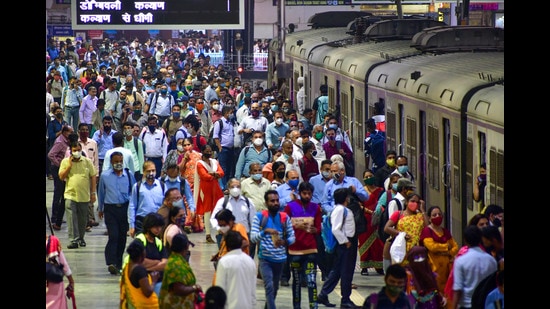
After a successful pilot, Railways is likely to introduce CBDT between CSMT-Kalyan and Churchgate-Virar. Mumbai Rail Vikas Corporation (MRVC), which will oversee the implementation of the system, is in the final process of floating tender for the project.
“The project will be implemented first on the Harbour Line, followed by Central Railway mainline and Western Railway. We are at an advanced stage of processing the tender for the CBTC project,” said Ravi Agarwal, chairman and managing director, MRVC.
Once the tender is floated, it would take six to eight months for MRVC to award the tender and the work will begin after that.
“After studying different suburban railway line patterns, we have finalized to introduce it on the harbour railway first,” said a senior MRVC official.
The driverless system enables signals to be placed inside the motorman cabin. CBTC does not require physical signals to be placed across the railway tracks, helping reduce the distance of trains between two signals and accommodate more trains.
{{/usCountry}}The driverless system enables signals to be placed inside the motorman cabin. CBTC does not require physical signals to be placed across the railway tracks, helping reduce the distance of trains between two signals and accommodate more trains.
{{/usCountry}}Though the system can be operated driverless, railway authorities said that the trains will continue to be operated by motormen.
“A motorman will be able to supervise and direct controls as there are trespassing, multiple convergence and crossings along the suburban railway tracks. If the trains are operated without motormen, then they would halt multiple times due to the brake system installed in it. In future, the system can operate without a motorman,” added the senior MRVC official.
CBTC is a part of the Mumbai Urban Transport Project (MUTP) 3 A, which got approval in 2019 and will cost ₹5,928 crore. The system will help increase the frequency of local trains operating every hour from the present 16 to 24. It will also reduce the headway between the trains from four minutes to two and half minutes.
CBTC system is presently used in the operation of trains in Spain, London and metro services in India.
According to a study conducted by the MRVC on the expansion of the suburban railway system, CBTC will create more than 50 percent extra capacity for train operations.
The study states that after Harbour Railway, the CBTC system will be introduced on slow lines on the Western Railway and then the Central Railway. It also suggested that Central and Western railways finalise fifth and sixth railway line alignment (usually used to operate fast railway lines) up to Kalyan and Virar, respectively, to implement CBTC on the fast railway corridor with trains equipped with automatic closing doors and air-conditioners.
Stay updated with all the Breaking News and Latest News from Mumbai. Click here for comprehensive coverage of top Cities including Bengaluru, Delhi, Hyderabad, and more across India along with Stay informed on the latest happenings in World News.
Stay updated with all the Breaking News and Latest News from Mumbai. Click here for comprehensive coverage of top Cities including Bengaluru, Delhi, Hyderabad, and more across India along with Stay informed on the latest happenings in World News.