
 E-Paper



Malavika’s Mumbaistan: Goddesses in the News Spin- Cycle
Three women, beautiful dark goddesses, have stirred public imagination and moved people’s hearts these past few days, with their indomitable spirit and refreshing insouciance


Three women, beautiful dark goddesses, have stirred public imagination and moved people’s hearts these past few days, with their indomitable spirit and refreshing insouciance.
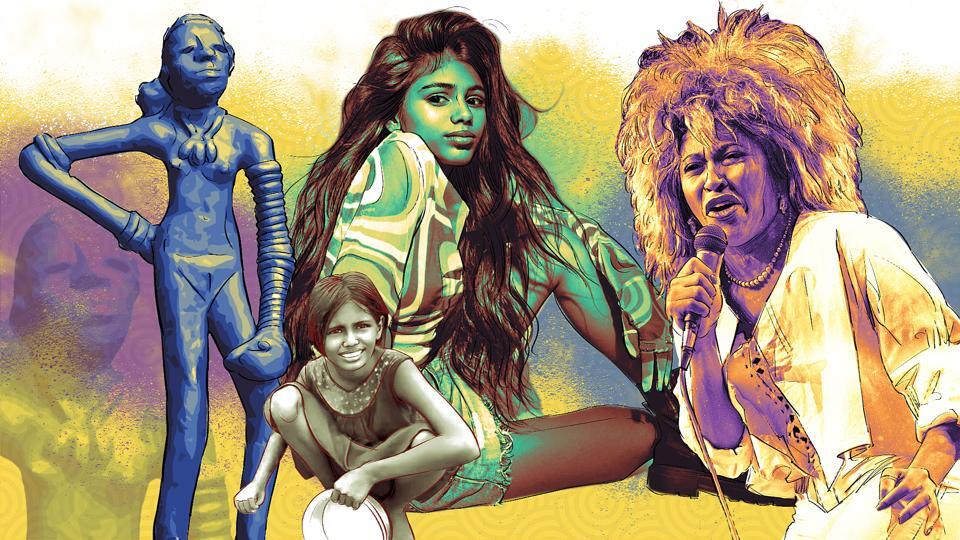
Two of them are just 15 years old, in the first flush of their emerging womanhood (though one has been fifteen, almost from the dawn of civilisation), the third, newly -departed and at 83, an icon, a queen, a powerhouse.
What do the stories of 12 -times Grammy Award winner and best-selling singer Tina Turner who died this week of a long illness and self-styled slum princess, Maleesha Kharwa, the striking face of a luxury cosmetic brand and the 10-and-a-half centimetre bronze figurine of the 2500 BC Dancing Girl excavated from Mohenjo- Daro in 1926, who was recently given a ‘sanskari’ makeover, tell us about the lives of women in our times? Caught as they have been in the spin dryer of our daily media news cycle, what do they signify? Why do they evoke such a range of emotions, opinions, views and feelings in us?
And do they have a collective message to deliver?
***
In the case of Tina Turner, the answer is best described by Barack Obama “She was raw. She was powerful. She was unstoppable. And she was unapologetically herself—speaking and singing her truth through joy and pain; triumph and tragedy. She was utterly undefeated in every conceivable manner. Her boundless energy and indomitable spirit will continue to thrive for all eternity.” He‘d tweeted, about the singer whose come -back as a solo artist at 44, long after the expected shelf life of female artistes in her field, and that too after years of abuse and cruelty, riveted the world, made it believe in the power of the single woman and her absolute, unbeatable tenacity and resilience, in the face of all odds.
When Tina barreled across the stage, belting out ‘Proud Mary’ or ‘What’s Love Got to Do with It’ on those celebrated, never-ending, astonishing legs her every cell engaged in the rapture of her performance, she gave voice to the anger, disillusionment, heartache and hopes of generations of women and set their spirits free.
Having been to hell and back after her messy divorce, every bit of her was authentic and unapologetic–the minuscule, sheath-like dresses, the mile-high wigs, the famous on-stage bad-ass strut that inspired the likes of Mick Jagger –and of course the fire in her eyes.
Every way you look at it, Tina’s story is one of victory, confidence and strength –of a woman’s ability to rise from the ashes, covered in glory.
*
The story of Dharavi’s Maleesha Kharwa, who hit the headlines this week for rising from her humble origins and becoming the face of a luxury makeup brand is no less edifying. With a following of 282K Insta followers, a couple of cover shoots for glossy magazines and not one but two Hollywood film offers, Kharwa’s exuberant delight in her success is a welcome departure from the glum, cynical demeanour of others of her generation and profession and evokes the Cinderella-like fairytale of dreams coming true and happy endings.
In interviews and posts, Kharwa’s freshness and innocence are unmistakable. From sharing pictures of her tarpaulin-covered slum where she resides with her family, to telling us how thrilled she is with her newfound and hard-won recognition, hers is a modern-day fairy tale played out in live-action for the Insta generation. And though her career is nascent, there is every reason to believe that she will go on to achieve even greater recognition and rewards. Hers is a message to millions of young women like her to never give up on themselves and their dreams. To believe in themselves and in the promise of life.
***
And what does the newly covered-up statuette of Mohenjo-Daro’s famous dark beauty ‘The Dancing Girl’ tell us? Described by archaeologist Mortimer Wheeler as ‘A girl perfectly, for the moment, perfectly confident of herself and the world. There’s nothing like her, I think, in the world.’
And by John Marshall, the archaeologist who discovered her as ‘a young girl, her hand on her hip in a half-impudent posture, and legs slightly forward as she beats time to the music with her legs and feet’, the fact that her ‘covering up’ and being given a pink tone to her skin has triggered all manner of protests and objections from the public, tells us that her spirit cannot be extinguished.
Standing nude, her posture cocky and proud, the original dancing girl had demonstrated a pride and dignity that no amount of camouflage and clothes can conceal today, however misguided or well-meaning. Now, rendered cartoon-like and as a five-foot mascot for a government initiative, the anger over her recent rendering is a powerful reminder of the indomitable female spirit that refuses to be cowed down, no matter how much you wear her down with insidious or overt patriarchal abuse, challenges and even well-meaning attempts at ‘protecting’ her modesty.
Because the original diminutive Mohenjo-Daro Dancing Girl reminds us that at the height of civilisation, some of the greatest artists found the bare, unembellished and proud body of a woman, significant enough to carve in metal.
So as I was saying: three women, three beautiful dark goddesses, caught, like mysterious sea creatures in this week’s spin cycle of news, who have emerged to deliver a collective message to the world: that from the shadows and the sidelines, again and again, no matter what, women will emerge, stand tall and refuse to be cowed down.


