
 E-Paper



Breach of privilege motion against Sanjay Raut referred to RS
Deputy chairperson of the legislative council Neelam Gorhe and Speaker of the assembly Rahul Narwekar on Saturday referred the breach of privilege motion against the Shiv Sena (UVT) MP Sanjay Raut to the Rajya Sabha chairperson after terming the RS member’s response as ‘unsatisfactory’

 Prefer HTon Google


Mumbai: Deputy chairperson of the legislative council Neelam Gorhe and Speaker of the assembly Rahul Narwekar on Saturday referred the breach of privilege motion against the Shiv Sena (UVT) MP Sanjay Raut to the Rajya Sabha chairperson after terming the RS member’s response as ‘unsatisfactory’.
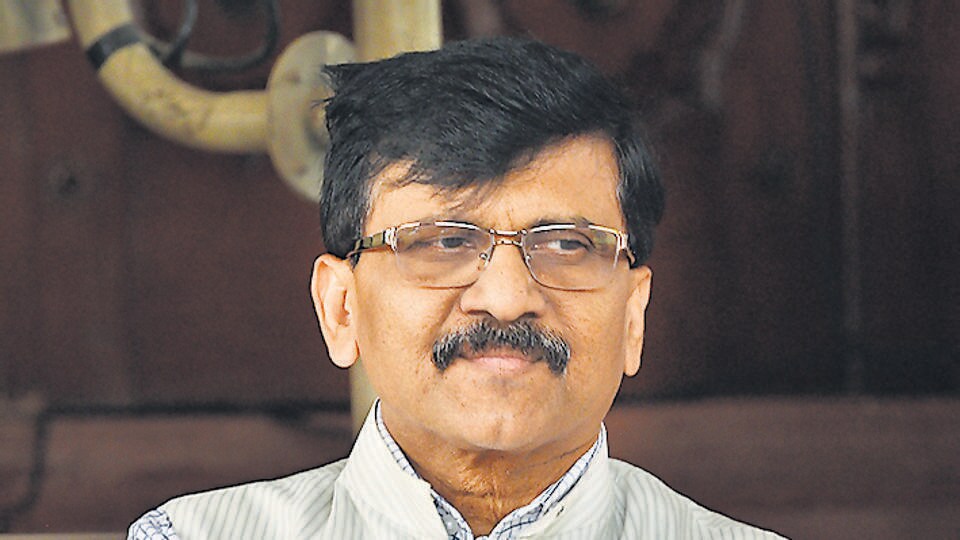
BJP MLC Ram Shinde in the council and Shiv Sena MLA Bharat Gogawale in the assembly had moved the breach of privilege motion against Rajya Sabha member for allegedly calling the legislature ‘Chor Mandal’.
Gorhe said that Raut in his response to the notices raised questions on the members of the privilege committee and its neutrality.
“As per the norms of parliamentary procedure, action on breach of privilege motion against the member of any house can be taken in the house to which the member belongs. I have referred to the book by Kaul and Shakdhar on parliamentary procedures and constitutional provisions. Based on it, I am sending this breach of privilege motion for further action to the chairperson of Rajya Sabha,” Gorhe said in the council.
In the assembly, Narwekar said that the submission by Raut has not been admissible, but according to the precedents and customs, the case will be sent to the privilege committee of the Rajya Sabha.
Narwekar said, “Raut submitted his response to the notices on March 20. On scrutiny of the submission, I have come to the conclusion that it is not acceptable. He has posed question marks on neutrality, action and the process of action. It was not expected from a senior Rajya Sabha member like him. Keeping the precedents related to the privilege motion against any member of Parliament and my responsibility of the coordination in mind, I am transferring the case to the upper house of the parliament.”


