The Dudhwa Tiger Reserve’s buffer zone is grappling with an acute shortage of frontline staff even as human-wildlife conflict continues to intensify across its nine forest ranges.
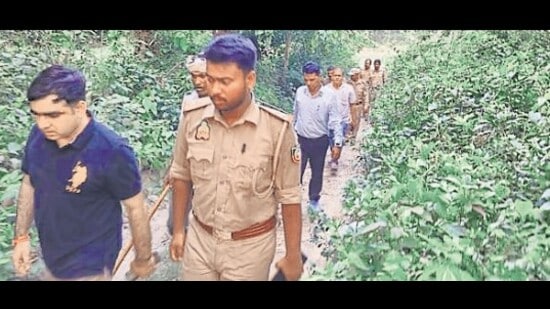
Spread over nearly 70,000 hectares, the buffer zone has recorded 72 deaths and 180 injuries in wild animal attacks since the 2021-22 financial year, with leopards accounting for most of the incidents. Seven deaths and 18 injuries have been reported in the current financial year alone, while crocodile attacks have claimed 11 lives and injured 29 people during the period.
Despite the growing challenge, the department is functioning with barely half its sanctioned strength of forest guards. Against 52 sanctioned posts, only 27 guards are currently deployed. Vacancies also persist at higher levels, with two of 37 forester posts, one of six deputy range officer posts and one of two sub-divisional officer posts lying vacant.
Officials said the manpower shortage has forced the department to prioritise emergency responses to wildlife conflict and monitor animal movement, leaving routine responsibilities such as social forestry and preventing illegal felling understaffed.
The worst-affected ranges include Nighasan, Majhgain, Belrayan and Dhaurahra, where leopard movement frequently brings wildlife into contact with villages.
Despite the staffing crunch, the department has rescued 10 tigers and 38 leopards since 2021-22, including 12 big cats during the current financial year. It has also rescued and relocated several crocodiles and snakes to their natural habitats.
Deputy director of the Dudhwa buffer zone, Kirti Chaudhary, acknowledged the shortage, particularly of forest guards. She said recruitment was under way and senior authorities had assured that vacant posts would be filled. She added that despite limited manpower, staff had continued to respond effectively to wildlife emergencies while maintaining essential field operations.
{{/usCountry}}Deputy director of the Dudhwa buffer zone, Kirti Chaudhary, acknowledged the shortage, particularly of forest guards. She said recruitment was under way and senior authorities had assured that vacant posts would be filled. She added that despite limited manpower, staff had continued to respond effectively to wildlife emergencies while maintaining essential field operations.
{{/usCountry}}