Waste-to-energy plants being set up across Haryana may prove a game-changer to deal with the stubble burning menace by not only generating energy and employment but also providing additional income from the crop waste.
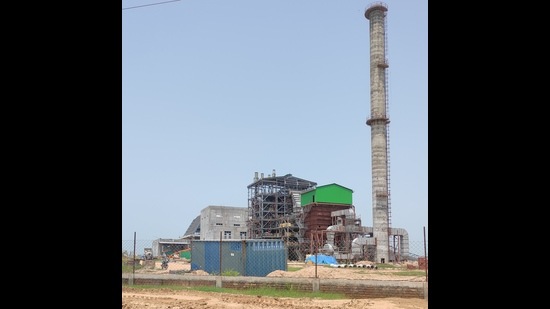
Setting up of these plants is near completion and the plants will purchase paddy straw from farmers from this Kharif season.
As per officials of the Haryana Renewable Energy Development Agency (HAREDA), total four paddy straw-based biomass power projects are being set up in state one each in Kurukshetra (15MW), Kaithal (15MW), Jind (9.9MW) and Fatehabad (9.9MW). The fifth plant is being set up at the IOCL’s Panipat refinery and will generate ethanol from paddy waste.
As per the project details, work on these plants was to complete by August this year but was delayed due to the Covid-19 pandemic and the lockdowns. But officials working on the projects said all four biomass plants will be completed by end of the year and trials are likely in November, whereas IOCL’s 2G ethanol plant will be completed by March next year.
After being made operational, the biomass plants will generate a total of 49.8 MW electricity or 26 crore units by consuming 5.87 lakh MT of paddy waste generated from around 2.90 lakh acre.
{{/usCountry}}After being made operational, the biomass plants will generate a total of 49.8 MW electricity or 26 crore units by consuming 5.87 lakh MT of paddy waste generated from around 2.90 lakh acre.
{{/usCountry}}Similarly, the ethanol plant will directly produce 100 kilo litre ethanol per day from 425.5 MT dried rice straw and provide relief from the emission by consuming the paddy waste of around 80,000 acre every year.
The expected cost of the project is around ₹766 crore and the plant is spread in 34 acre on premises of the Panipat refinery.
The IOCL officials said the project is based on indigenously developed technology and will not leave any waste behind.
Besides 150 technical experts, this plant will provide employment to about 1,200 people including village-level entrepreneurs and supply chain management.
Haryana new and renewable energy department additional chief secretary PK Das said, “These plants will prove to be game-changer by converting crop waste into energy and fuel. We are facing stubble burning issue but using technology, this will provide double benefit apart from providing extra income to farmers.”
As per ground-level officers, private companies have made arrangements of land, employees, machines and paddy waste. “In return, the government will purchase electricity from these companies as per government policy,” said Balwan Singh Golan, HAREDA project officer, Kurukshetra.
He said these private companies have been allowed to purchase crop waste directly from farmers and will pay around ₹1,000-1,500 per acre to farmers.
THE BURNING ISSUE
As per officials of the state pollution control board, stubble burning contributes to about 48% of total emission in Haryana and Punjab. These waste-to-energy plants will provide a huge relief by consuming millions of tonnes of crop waste.
Haryana is the second biggest producer of paddy waste in country after Punjab and faces criticism for failure to put a check on the incidents of stubble burning, which affect the air quality of NCR.
As per figures, of 13 lakh hectare under paddy in Haryana, about 7 lakh hectare is harvested by combine harvesters leaving 50 quintal crop waste per hectare behind.
And despite government providing subsidised implements for straw management, keeping a check on stubble burning remains a challenge.
Haryana reported 5,678 active fire locations in 2020 kharif season as compare to 9,225 and 6,364 in 2018 and 2019, respectively.
S Narayanan, member secretary to HSPCB, said, “A number of biogas plants are planned in Haryana with a capacity of around 422 tonnes per day which can utilise around 5 lakh MT paddy straw. These projects can help the state combat crop residue burning,” he added.