KANPUR Nearly 70 villages in Kanpur and the neighboring Shuklagunj area of Unnao are reeling under heavy flooding due to the continuous and substantial release of water from Narora and Haridwar, causing the Ganga River to swell.
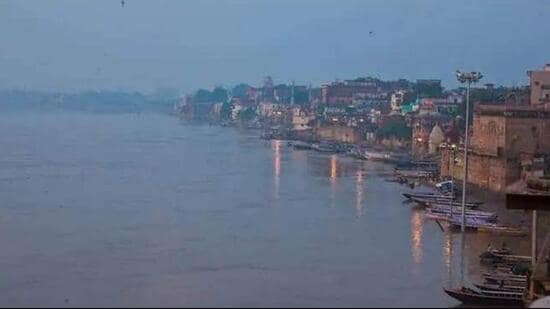
Extensive swathes of agricultural land spanning 22 villages near the Ganga Barrage in Kanpur, along with 50 villages in and around Shuklagunj, are currently submerged. This dire situation has rekindled distressing memories of the 2010 Kanpur floods among the local populace.
Presently, the Ganga’s water level is surging three meters above the critical mark of 114.0 in Kanpur. Over the past three days, the count of affected villages has surged from four to 70.
Ravi Kumar Nishad, a resident of Bharatpurwa village, shared that the deluge has penetrated their village, compelling people to take refuge on roadsides. “If the roads become impassable, we will seek higher ground. The escalating water levels are causing significant apprehension,” he remarked.
To provide aid, the administration distributed essential ration kits to 42 families of this village on Saturday. Ram Kesh of Isja village, enveloped by water on all sides, lamented, “Our crops have been decimated, and residents are confined to the roadsides.” He pointed out that many are resorting to the roads because they lack awareness about the whereabouts of shelter facilities.
The road connecting Bharatpurwa and Isja villages has been entirely submerged, with water levels reaching up to three feet. Additionally, approximately two kilometers away, near Bhopalpurwa and Bhagwandeenpur villages, the Jal Nigam pumping station found itself submerged. On Saturday, around 16 families sought refuge at Kanshiram Primary School, while 46 families remained stranded on the roads.
{{/usCountry}}The road connecting Bharatpurwa and Isja villages has been entirely submerged, with water levels reaching up to three feet. Additionally, approximately two kilometers away, near Bhopalpurwa and Bhagwandeenpur villages, the Jal Nigam pumping station found itself submerged. On Saturday, around 16 families sought refuge at Kanshiram Primary School, while 46 families remained stranded on the roads.
{{/usCountry}}