E-Paper



Odisha announces ₹29 cr package for street vendors, second time amid pandemic
With the prolonged lockdown in the state in the wake of the second wave of Covid-19 pandemic impacting the livelihood of street vendors, Odisha chief minister Naveen Patnaik on Tuesday sanctioned an amount of ₹26

 Prefer HTon Google


With the prolonged lockdown in the state in the wake of the second wave of Covid-19 pandemic impacting the livelihood of street vendors, Odisha chief minister Naveen Patnaik on Tuesday sanctioned an amount of ₹26.29 crore from the Chief Minister’s Relief Fund as Covid-19 assistance for 87657 street vendors in urban areas, a statement from the chief minister’s office said.
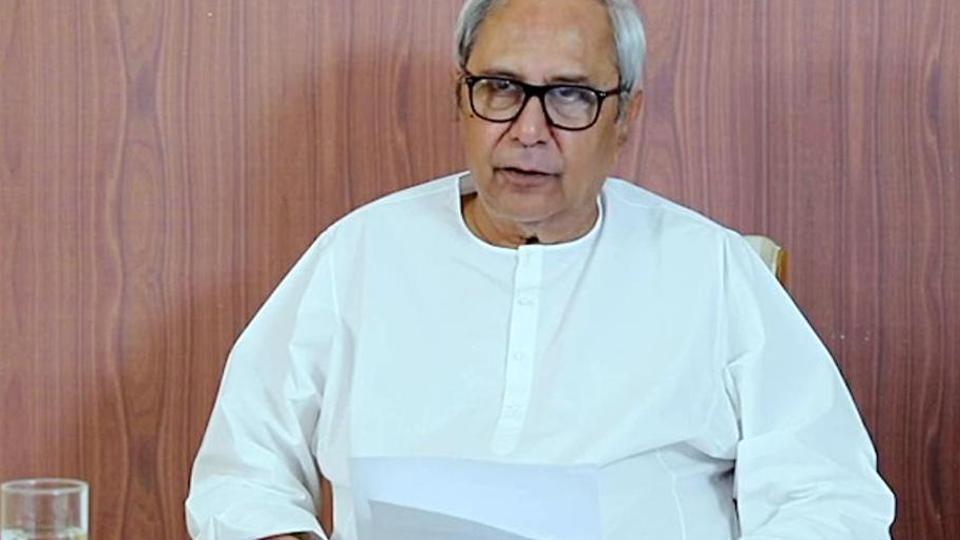
The street vendors will receive financial assistance of ₹3,000 each. “The Covid-19 wave has had a profound effect on public life. It had the greatest impact on livelihoods. Street vendors in urban areas are suffering financially due to lockdowns meant to control the infection,” the statement read.
Last year too, the state government announced financial assistance worth ₹3,000 each to over 65,000 street vendors across 114 urban local bodies to deal with the Covid-19 lockdown. Lat year, the Central government sanctioned ₹8.2 crore collateral-free loans for street vendors in Odisha under PM SVANidhi Yojana.
However, Pratap Sahu, president of Odisha Utha Dokani Mahasangha, a body of street vendors, said that the package should be further extended because there are above 22 lakh roadside vendors across the state.
“The impact of Covid-19 has been very harsh on informal workers like street vendors who have exhausted their capital and earnings in trying to feed themselves during the extended lockdown period. The government stimulus package, while a welcome step, is insufficient in the nature of relief as only registered vendors are eligible, which leaves out the majority of vendors in the state,” said Sahu.
Sahu said vendors need to be able to resume vending for survival and the government should take steps to begin to reopen markets and allow vendors back on the streets. “Vending zones should be designed keeping in mind the need for social distancing and for sufficient hygiene facilities. Besides, all street vendors should be vaccinated in keeping with the promise made in March this year,” he added.
Nupur Patnaik, a sociologist at Central University, Koraput, said the Street Vendors Protection of Livelihood and Regulation of Street Vending Act, 2014, if implemented, would have helped the street vendors. “A vital and a thriving economy is the one that takes care of its foot soldiers or those at the very bottom and yet forms the most important constituent of the economy. The Act acknowledges that 2.5% of the city’s population are street vendors and they should be absorbed into the vending zones. But 7 years that the law came into place, it is yet to be properly implemented and the gap in the implementation of the act is also the primary reason why street vendors today are facing a crisis in the pandemic,” she said.
...