E-Paper



Odisha govt announces maternity, paternity leaves for surrogate parents
In July this year, the Orissa high court had ruled that surrogate mothers deserve equal maternity leave, emphasising the importance of early caregiving for child development.

 Prefer HTon Google


The Mohan Majhi government in Odisha has announced 180 days of maternity leave for its women employees who have children through surrogacy. Male employees (surrogate fathers) will also be entitled to 15 days of paternity leave, according to notification issued by finance department.
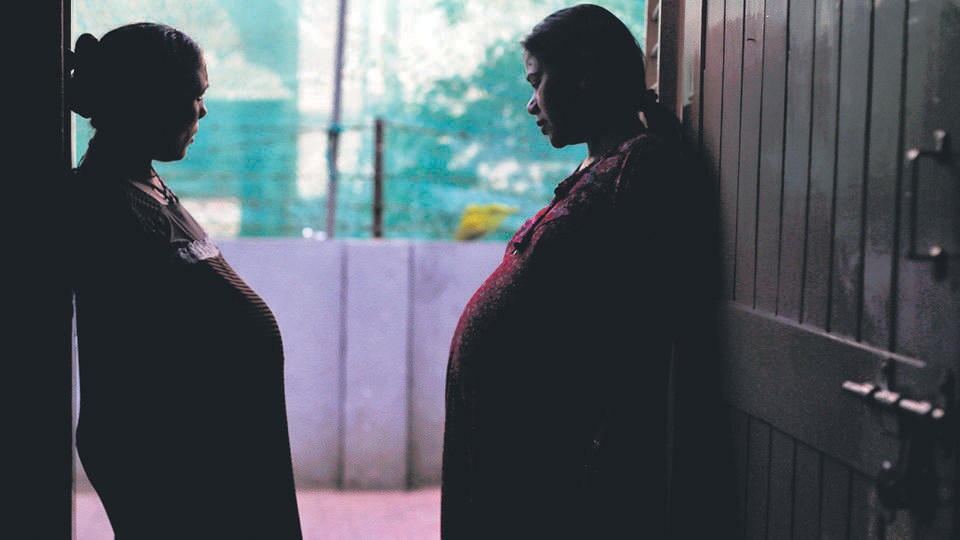
Surrogacy is a method of assisted reproductive technology wherein a woman carries and gives birth to a child for another person or couple. Many couples worldwide opt for this method for various reasons, including infertility and pregnancy risks.
India has become popular as a place for surrogacy since 2002. The Parliament passed the Surrogacy (Regulation) Bill, 2021, prohibiting commercial surrogacy but allowing altruistic surrogacy, which involves no monetary compensation to the surrogate mother other than the medical expenses and insurance coverage during the pregnancy.
In June this year, the central government extended maternity and paternity leave benefits to government employees attaining parenthood by surrogacy.
In July this year, the Orissa high court had ruled that surrogate mothers deserve equal maternity leave, emphasising the importance of early caregiving for child development. The court made the remarks while upholding OFS officer Supriya Jena’s 2020 petition against the denial of 180 days’ leave.
The single-judge bench of Justice SK Panigrahi cited Article 21 to direct Odisha to treat adoptive and surrogate mothers equally and referred to international conventions like the Convention on the Elimination of All Forms of Discrimination Against Women to ensure non-discriminatory employment treatment.
“Maternity leave should be granted to employees who become mothers through surrogacy to ensure treatment and support for all new mothers, irrespective of how they become parents,” he said.
The finance department notification said a state government female employee, having less than two surviving children, who becomes a ‘surrogate mother’ will be eligible for maternity leave of 180 days.
“A state government woman employee, having less than two surviving children, who becomes a ‘commissioning mother’ will be eligible for maternity leave of 180 days. A state government male employee, having less than two surviving children, who becomes a ‘commissioning father’ will be eligible for paternity leave of 15 days within the period of 6 months from the date of delivery of the child. If both the surrogate mother and the commissioning mother are state government employees, both will be eligible for 180 days of maternity leave each. Agreement on surrogacy made between surrogate mother and commissioning parents along with supporting medical documents from registered doctors/hospitals have to be produced for claiming maternity/paternity leave,” it said.