Fire incidents in Prayagraj have risen sharply over the past two years, with officials identifying electrical short circuits, industrial fires and agricultural fires—especially common between April and June—as the primary causes. This surge comes as the fire department operates with a significant challenge: 39% of its sanctioned posts currently remain vacant.
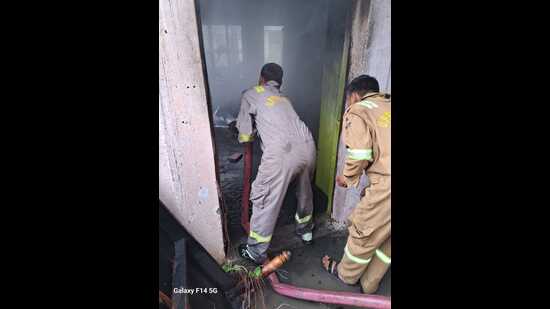
According to records of the district fire services, Prayagraj witnessed 1,915 fire incidents in 2025, up from 1,783 in 2024. Rescue operations also saw a notable rise. Between January 1 and December 31, 2025, the department successfully responded to 389 high‑priority rescue calls, compared to 298 in 2024.
Official data shows that firefighters saved 114 people from life-threatening situations in 2025, including those trapped in burning houses, along with 30 animals. This marked a dramatic rise compared to 2024, when 19 people and 132 animals were rescued. However, the number of casualties also increased.
Chief fire officer (CFO) CM Sharma confirmed that four people and 30 animals died in various fire incidents across the district in 2025, whereas 2024 saw two human deaths and 70 animal fatalities.
In total, the department handled 2,304 fire and rescue calls in 2025—an average of 192 calls a month, or more than six per day.
{{/usCountry}}In total, the department handled 2,304 fire and rescue calls in 2025—an average of 192 calls a month, or more than six per day.
{{/usCountry}}In comparison, 2,081 calls were recorded in 2024, averaging 169 per month or around five daily. Despite the rising workload, the fire department is functioning with a severe manpower shortage. Against a sanctioned strength of 328 personnel, only 200 staff members are currently available, leaving a gap of 128 firefighters—nearly 39 percent fewer than required.
The CFO said the district operates nine fire stations equipped with 23 fire tenders of varying capacities—8000, 5000 and 4500 litres—as well as four firefighting bikes designed to navigate narrow and densely populated lanes of the city. He added that nearly 40 percent of fire incidents stem from electrical short circuits, followed by industrial and agricultural fires, the latter peaking during the harvest season in summer.