PUNE: Three unrelated criminal cases involving serving police personnel in Pune city and district within less than a year have not only put the spotlight on misconduct within the police department but have also raised the broader question whether existing internal checks are sufficient to detect such misconduct early and reinforce public trust in the police force. While the accused officers belong to different units and allegations vary from extortion to robbery, the cases have collectively reignited the debate on internal vigilance, supervision and accountability.
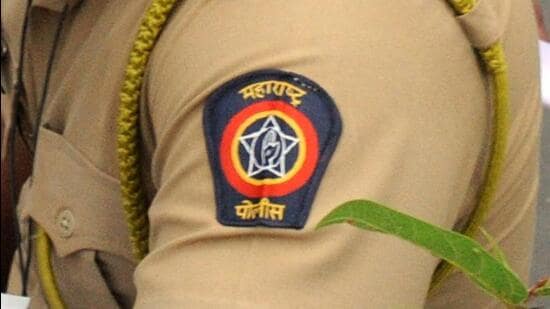
The most recent case surfaced last week when two policemen attached to the Rajgad police station were named among 10 accused in an alleged attempt to rob a businessman carrying ₹1 crore in cash to deposit at a private bank branch in Narhe. Four accused have been arrested, while six including the two policemen are absconding. The case has drawn attention not only because serving policemen have been named as accused but also because investigators are examining whether anyone within the system had prior knowledge of the movement of cash and whether established procedures were followed after receipt of the complaint.
Pune rural superintendent of police Sandeep Singh Gill said that the department moved swiftly after the FIR was registered. “Based on the FIR filed by Pune city police in which two of our policemen are mentioned, we immediately suspended them. I have also ordered a detailed inquiry into the incident and am awaiting the report,” Gill said.
The Narhe case came close on the heels of another incident involving law enforcement personnel. Earlier this month, three Maharashtra highway safety patrol personnel and three traffic wardens were booked for allegedly abducting tourists travelling on the Mumbai-Pune expressway and attempting to extort ₹5 lakh from them near Lonavla.
{{/usCountry}}The Narhe case came close on the heels of another incident involving law enforcement personnel. Earlier this month, three Maharashtra highway safety patrol personnel and three traffic wardens were booked for allegedly abducting tourists travelling on the Mumbai-Pune expressway and attempting to extort ₹5 lakh from them near Lonavla.
{{/usCountry}}According to investigators, the accused allegedly intercepted vehicles under the guise of checking documents before demanding money. The case led to both criminal proceedings and departmental action.
Prior to the Lonavla case, a police constable was suspended last year in Kondhwa after he allegedly threatened an IT professional from Chennai with a fabricated narcotics case and demanded money from him. According to the complaint, the victim was asked to pay ₹25,000 per person and eventually transferred ₹28,000 through an online payment application. The money was later returned after he approached the police station to lodge a complaint.
Although separated by time and circumstances, the three cases have highlighted the challenges faced by the police department in maintaining internal discipline while ensuring public confidence is not eroded by the actions of a few.
Former Maharashtra director-general of police Praveen Dixit said that isolated instances of misconduct are not unique to any police force, but repeated allegations within a short period warrant institutional introspection.
“The credibility of the police depends not only on solving crimes but also on maintaining the highest standards of integrity within the force. Swift and transparent action against erring personnel is essential to retain public trust,” Dixit said. According to him, criminal prosecution alone is not enough. Departmental inquiries should proceed simultaneously and be concluded without delay so that accountability is both visible and timely. Dixit also believes technology can play a greater role in reducing opportunities for misconduct. He suggested wider deployment of body-worn cameras, dashboard cameras and drones during enforcement operations to improve transparency and create verifiable records of police-public interactions. He advocated reviving and strengthening the Police Mitra initiative, a community policing model introduced during his tenure. Under the programme, trained civilian volunteers accompanied police personnel during public duties, assisting them while also acting as an additional layer of community oversight. Dixit said nearly five lakh police mitras were associated with the force across Maharashtra during his tenure.
Senior police officials maintain that the department follows a zero-tolerance policy towards misconduct. They point out that in each of the recent cases, criminal offences were registered and departmental action initiated without waiting for public pressure, demonstrating that serving personnel are not shielded from investigation.
Police experts, however, say that while prompt action after an incident is necessary, preventing such incidents requires stronger supervisory mechanisms. They advocate periodic integrity audits, greater use of technology during field operations, better monitoring of highway patrols and police stations, and time-bound departmental inquiries.