The Pune Cantonment Board (PCB) has initiated plans to convert its 120-year-old, colonial-era, building on M G road into a revenue-generating commercial property. The proposal comes at a time when the PCB is grappling with a severe financial crunch. Unlike municipal corporations, cantonment boards depend heavily on property tax collection and grants from the ministry of defence even as expenditure on civic services continues to rise.
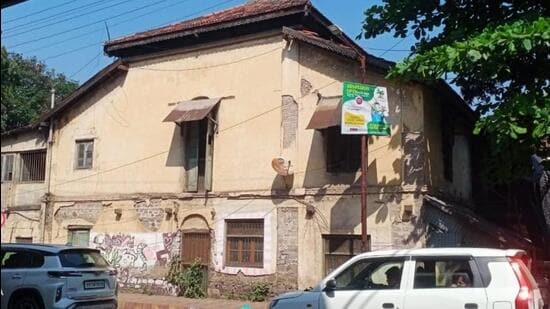
The two-storeyed heritage structure, which served as the PCB headquarters till 1988 and later housed the cantonment court, has remained under lock-and-key since June 2024 after court operations shifted to new premises. Located on one of Pune’s busiest commercial stretches, the property is now being considered for redevelopment to create a steady source of income for the board.
Chief executive officer (CEO) of the PCB, Vidyadhar Pawar, said, “We have initiated the process for repurposing the property. The proposal has been sent to the principal directorate, southern command, which will forward it to the Directorate General of Defence Estates in New Delhi for final approval.”
Officials said that once the change in land use is approved, the board will be able to redevelop the site into a commercial complex. Situated in the Pune Cantonment area, the property holds significant commercial potential because of its proximity to major retail establishments and its connectivity. Given the high footfalls and premium real estate value of M G road, the project is expected to substantially strengthen the board’s revenue base. The move reflects a growing trend among cantonment boards across the country to monetise old properties amid declining revenues and rising expenditure on civic infrastructure and services.
Former PCB vice-president Priyanka Shirigiri said that redevelopment of the property could provide a crucial financial boost to the board. “This proposal had been discussed earlier as well. Unless the board develops independent revenue sources, it will struggle to undertake development works and provide basic civic services. The administration must pursue the proposal aggressively and explore viable commercial options for the site,” she said. Another board member, speaking on condition of anonymity, highlighted the scale of the financial crisis the PCB is presently facing. “The board is struggling to meet even its mandatory monthly expenses. It generates only around ₹3 crore to ₹3.5 crore in revenue every month, while expenditure is close to ₹12 crore. Without creating permanent sources of income, the board’s long-term sustainability will remain under threat,” the member said.
{{/usCountry}}Former PCB vice-president Priyanka Shirigiri said that redevelopment of the property could provide a crucial financial boost to the board. “This proposal had been discussed earlier as well. Unless the board develops independent revenue sources, it will struggle to undertake development works and provide basic civic services. The administration must pursue the proposal aggressively and explore viable commercial options for the site,” she said. Another board member, speaking on condition of anonymity, highlighted the scale of the financial crisis the PCB is presently facing. “The board is struggling to meet even its mandatory monthly expenses. It generates only around ₹3 crore to ₹3.5 crore in revenue every month, while expenditure is close to ₹12 crore. Without creating permanent sources of income, the board’s long-term sustainability will remain under threat,” the member said.
{{/usCountry}}Significantly, the existing structure is no longer considered viable, PCB officials said. An inspection conducted by the board’s engineering department in 2017 had declared the building unsafe. “The wall near the traffic signal junction is relatively stable, so there is no immediate danger to commuters. Since the property is under lock-and-key, there is no public access. Once permissions are granted, the board will examine suitable revenue-generation models for the site,” said a senior PCB official.