
 E-Paper



Deenanath Mangeshkar Hospital says child had complex eye disorder, defends treatment
A panel has been appointed to conduct a probe into the incident. Once the probe is completed further action will be taken, said Dr Suryakant Devkar, assistant health chief, PMC

 Prefer HTon Google


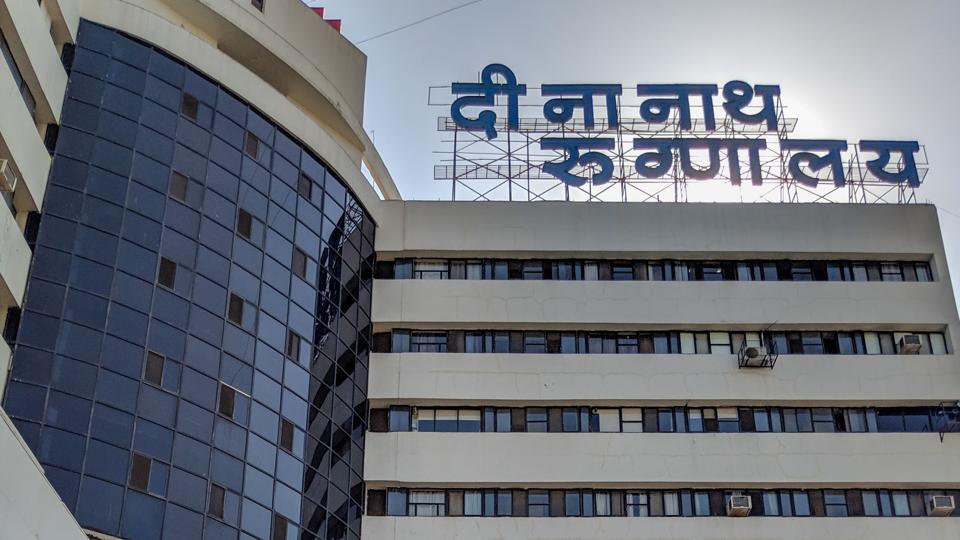
In reply to the show-cause notice issued by the Pune Municipal Corporation (PMC) on May 20, Deenanath Mangeshkar Hospital (DMH) has defended the treatment provided to a six-year-old girl who died on May 18 after undergoing a procedure at the hospital. The hospital stated the child had a complex pre-existing eye condition and that all medical protocols were followed before the tragedy.
In a detailed response submitted to the PMC on Thursday, the DMH said the child was diagnosed with Retinopathy of Prematurity (ROP) at birth, a condition affecting premature babies that can lead to vision loss. She was around six months old when she was initially brought to our hospital for treatment. At that time, she underwent surgical procedures including lensectomy and vitrectomy. The child had not completely recovered from her condition between 2022 and 2026.
“To accurately assess her eye condition, doctors needed to perform specialised tests such as checking intraocular pressure using Perkins tonometer or iCare tonometer, examining the retina, evaluating glaucoma progression, and checking refractive errors. These are specialised tests that cannot always be completed in a routine OPD setting, especially in a child with complex eye problems. Due to this, it was decided that a complete examination under anaesthesia would be the safest and most effective approach,” the hospital said in its response, a copy of which HT has seen.
Prior to the procedure, all required pre-anaesthesia evaluations were conducted. The child underwent a complete pre-anaesthesia check-up and was declared medically fit for the examination under general anaesthesia on May 15. Accordingly, on May 18, the child was admitted to DMH for the scheduled examination.
As part of the examination, propacaine 0.5% eye drops were administered in both eyes, following standard protocol. The doctors then used a speculum to examine the eyes properly. However, within about 25 minutes of the examination beginning, the child suddenly developed a serious medical complication. Her condition rapidly deteriorated.
Doctors immediately initiated emergency treatment as per hospital protocol. Doctors attempted airway management using a laryngeal mask airway and other advanced life-saving interventions. However, the child’s oxygen levels and overall condition continued to worsen.
The hospital then called in specialists from multiple departments, including the paediatric ICU intensivist team, pulmonologist, ENT specialists, and paediatric anaesthetists. Cardiopulmonary resuscitation (CPR) and all advanced emergency treatment protocols were started immediately. As the child did not show an adequate response to treatment in the operating area, doctors decided to shift her to the paediatric intensive care unit.
Throughout this period, the hospital kept the child’s parents informed about the serious deterioration in her condition. Despite prolonged efforts by the entire medical team, the child could not be revived. At approximately 4:44 pm, she was declared dead.
“The child’s body has been sent for a post-mortem examination. The exact and confirmed cause of death will only be known after the final post-mortem report is received. We would like to state that the hospital is fully cooperating with all government authorities investigating this incident and is maintaining complete transparency in the matter,” said Sachin Vyavahare, administrator, DMH.
Dr Suryakant Devkar, assistant health chief, PMC, said, “We have received the reply from the hospital. Besides, a panel has been appointed to conduct a probe into the incident. Once the probe is completed, both the findings of the panel and the response will be discussed as a further course of action.”


