
 E-Paper



Now, excavated roads will be restored only by PMC road dept.
Bankar said that earlier, contractors restored roads based on their own methods, often without strict supervision

 Prefer HTon Google


The Pune Municipal Corporation (PMC) has moved to centralise road restoration work after a surge in complaints over poor road conditions caused by faulty reinstatement following frequent digging across the city.
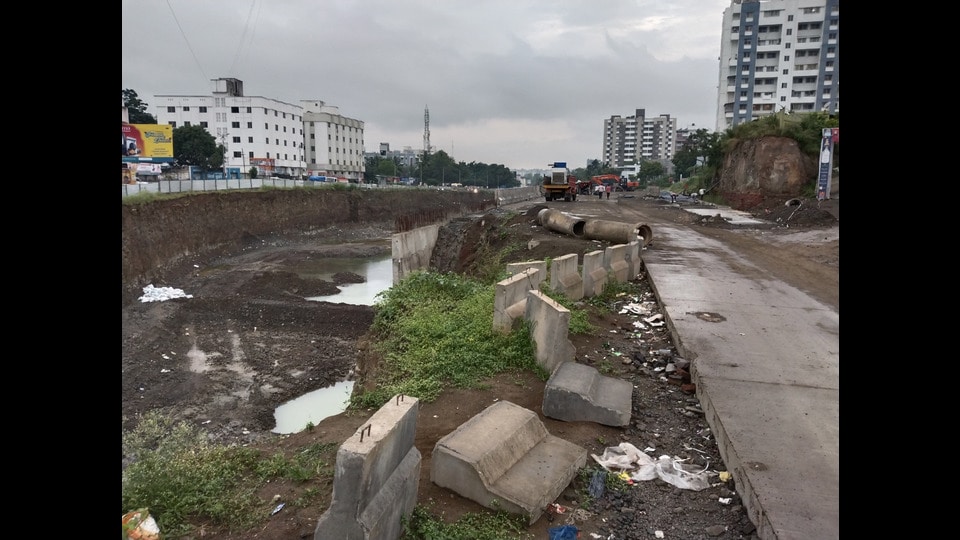
The civic body has directed that all roads excavated for utilities such as water supply, sewerage, electricity and telecom will now be restored only by the road department. Municipal commissioner Naval Kishore Ram issued the order, making it clear that no department will be allowed to independently carry out restoration work. The decision comes after repeated instances where roads, once repaired by individual departments or contractors, quickly deteriorated—leading to potholes, uneven surfaces and traffic hazards. The civic road department gives around 100 km of digging permission to various agencies such as Mahavitaran, Maharashtra Natural Gas Limited (MNGL), and private telecom companies; as well as PMC’s drainage and water departments.
Rajesh Bankar, chief superintendent, PMC road department, said, “We have seen that inconsistent methods and lack of quality checks have led to roads getting damaged soon after repairs. Centralising the work will bring accountability and uniform standards.”
Bankar said that earlier, contractors restored roads based on their own methods, often without strict supervision. This resulted in uneven finishes, height differences between old and new surfaces, and water seepage into the base layers—key reasons for rapid deterioration.
“With a single department handling the entire process—from excavation permissions to final restoration—we expect better coordination, stricter quality control and longer-lasting roads,” he said.
According to citizens, poor compaction of soil, use of substandard materials, and inadequate curing after restoration are among the key reasons behind rapid deterioration of roads. During the monsoon, these weak patches often turn into potholes, worsening traffic congestion and increasing the risk of accidents.
Sudhir Kulkarni, civic activist, said that repeated digging without proper reinstatement not only damages road surfaces but also weakens the base layers, reducing the overall lifespan of roads. “Every time a road is dug and poorly restored, its structural strength is compromised. Over time, this leads to higher maintenance costs for the civic body, he said.
Furthermore, the new directive addresses a key loophole—funding. Departments undertaking excavation will now have to provide the necessary funds to the road department in advance. Additionally, making budgetary provisions for restoration has been made mandatory before granting digging permissions. The order also mandates that all restoration work must be completed within a fixed timeframe, and as per defined quality standards.


