
 E-Paper



PCMC cracks down on errant STPs; ₹70,000 fine imposed for releasing untreated sewage
PCMC penalises 12 housing societies for violating environmental norms by discharging untreated or partially treated sewage into nallahs and rivers

 Prefer HTon Google


The Pimpri-Chinchwad Municipal Corporation (PCMC) has penalised 12 housing societies for violating environmental norms by discharging untreated or partially treated sewage into nallahs and rivers, officials said on Friday.
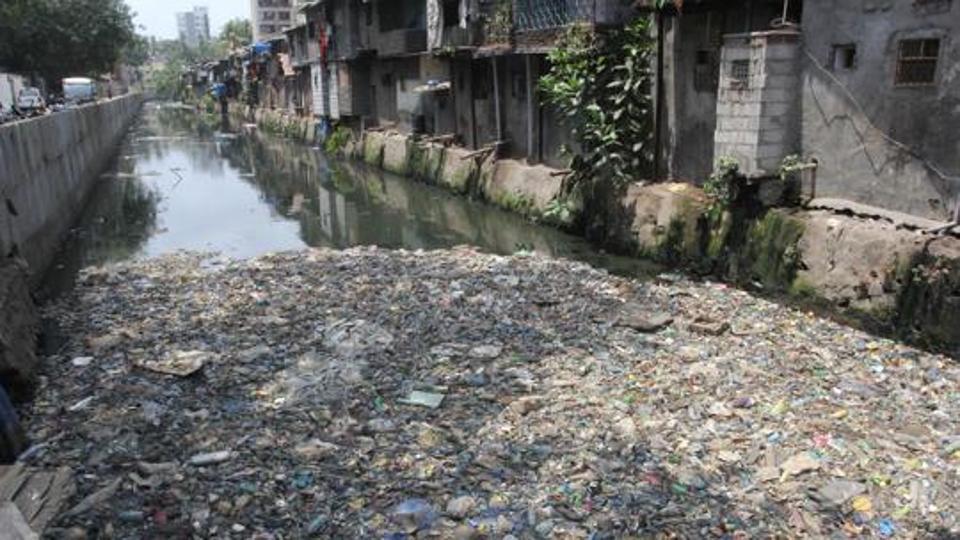
The action followed inspections of 21 private sewage treatment plants (STPs) across the twin city between April 17 and April 22.
The inspection, carried out under municipal commissioner Vijay Suryavanshi and chief engineer (environment) Sanjay Kulkarni, found that only nine STPs were fully operational and compliant.
The remaining 12 were either partially functional or releasing untreated or partially treated sewage into drainage channels, nallahs and rivers in violation of environmental norms.
Officials said the violations pose a serious threat to public health and the environment, particularly in densely populated areas where improper sewage disposal can contaminate water sources and increase the risk of disease outbreaks. The nuisance detection squad subsequently initiated action and imposed cumulative penalties of ₹70,000 on the defaulting societies.
“Such societies must immediately make their sewage treatment plants functional and ensure the reuse of treated water. Failing this, strict action, including disconnection of water supply, will be taken,” said Kulkarni.
Highlighting the seriousness of the issue, municipal commissioner Vijay Suryavanshi said, “Releasing untreated sewage despite having a functional STP is a grave violation. No compromise will be made on this matter. Housing societies must adhere to the rules and ensure reuse of treated water, failing which, stringent administrative action will be taken.”
According to norms, STPs are mandatory for housing societies with 100 or more flats or a built-up area of at least 20,000 square metres. PCMC has 494 such societies within its limits. Previous surveys found that STPs are not functioning in 99 of them.


