More than 150 wild animals were killed and over 1,200 injured in road accidents and incidents of electrocution across six districts of Maharashtra’s western ghats between January 1 and September 30, 2026; highlighting the growing risks posed by infrastructure expansion, rising traffic and unsafe fencing near forest areas. The incidents have renewed concerns over the fragmentation of wildlife corridors during Wildlife Week; as widening of ghat roads, construction, agricultural expansion, and development along forest boundaries increasingly expose animals to human activity.
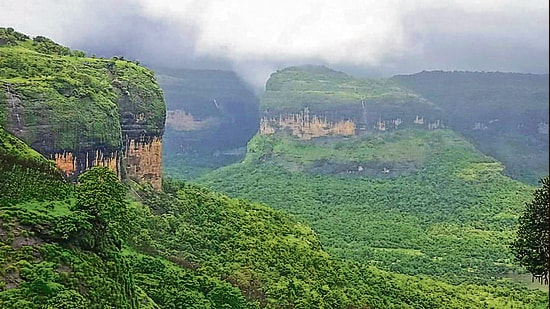
According to the state forest department, the western ghats’ forest belt in Maharashtra extends across Kolhapur, Sangli, Satara, Pune, Raigad and Thane districts. Around 15 important ghat roads lie along the Pune-Belgaum belt, with extensive forest areas around their foothills. More than 2,800 villages, hamlets and settlements are located in and around these forested areas, where many families continue to practise agriculture close to the forest boundaries.
Tushar Chavhan, field director of the Sahyadri Tiger Reserve (STR), said that development in forest areas must be subject to safeguards that allow animals to move along their traditional routes. “Tigers and other wild animals regularly move through forest areas and their traditional routes need to remain accessible. Therefore, while granting permission for development works, the forest department imposes conditions to ensure that such activities do not obstruct wildlife movement. These conditions need to be strictly implemented, particularly in areas identified as wildlife corridors,” Chavhan said.
“Motorists travelling through forest and wildlife areas need to remain alert, control their speed, and avoid unnecessary use of headlights and horns. Drivers should understand that an animal may suddenly appear on the road while crossing its traditional route. Greater awareness and caution among road users can significantly help reduce wildlife accidents,” Chavhan said.
{{/usCountry}}“Motorists travelling through forest and wildlife areas need to remain alert, control their speed, and avoid unnecessary use of headlights and horns. Drivers should understand that an animal may suddenly appear on the road while crossing its traditional route. Greater awareness and caution among road users can significantly help reduce wildlife accidents,” Chavhan said.
{{/usCountry}}The pressure on wildlife corridors has increased with the widening of ghat roads, construction of cement roads, rise in tourist and other vehicular traffic, and expansion of plotting and farming along forest boundaries. Jagannath Bhosale, a farmer from Satara district, said, “Wild animals frequently enter farms located close to the forest, especially when they move in search of food or water. Farmers are also worried about crop damage, which is why some resort to fencing their fields. However, dangerous electric fencing can put wildlife as well as people at risk. There is a need for practical measures that protect both crops and animals, along with greater guidance from the forest department on safe fencing methods.”
Important wildlife-sensitive routes in the region include the Amba, Anuskura, Karul, Fonda, Amboli, Tilari, Chorla, Varandha, Kashedi, Raghuveer, Ambenali, Pasarni, Bamnoli and Kumbharli ghats. Conservationists and forest officials have called for wildlife movement to be considered while planning road widening and other infrastructure projects along these stretches. A senior forest official from western Maharashtra, on condition of anonymity, said, “An animal that has traditionally moved through a particular route does not understand administrative boundaries or changes in land use. When its route is blocked, it is forced to find an alternative path, which can take it towards roads, farms or human settlements. We need to identify and protect these movement corridors before undertaking new infrastructure or construction activity. At the same time, electric fencing and power connections near forest boundaries need much stricter monitoring.”
State forest minister Ganesh Naik said that protecting wildlife and conserving the western ghats remain priorities for the government. “The rising number of wild animals injured or killed in road accidents and incidents of electrocution are a matter of serious concern. Road widening, increasing traffic, construction and unsafe electric fencing near forest areas must be addressed through effective planning and strict enforcement of existing rules.”
Naik said that the forest department will continue to emphasise the protection of traditional wildlife corridors and the inclusion of safeguards for animal movement in development projects. He added that solutions are needed to address crop damage faced by farmers living near forests while ensuring that protective measures do not endanger wildlife.