
 E-Paper



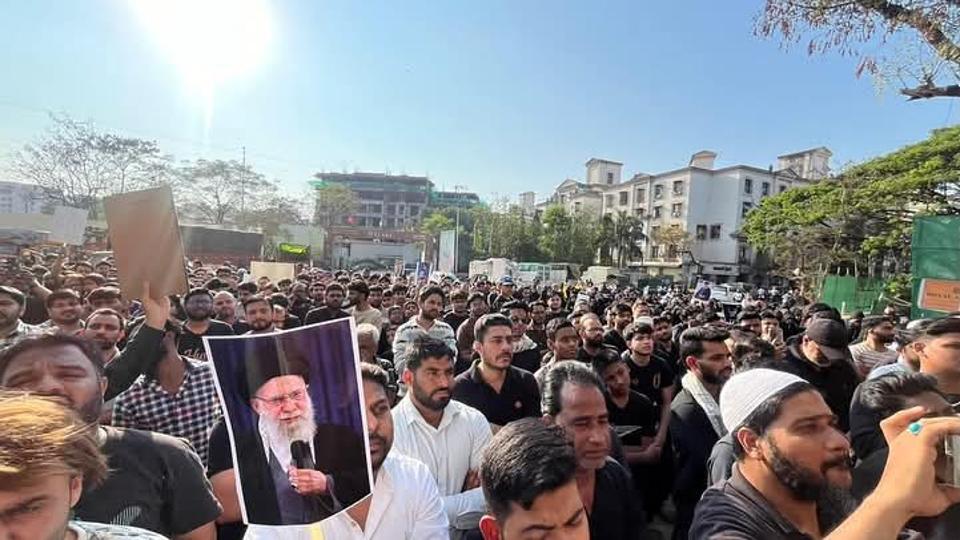
Shias in Pune stand united in the face of US-Israeli attack on Iran
Several fifth-generation Irani families settled in Pune maintain close ties with relatives in Iran, and some students from Pune are currently pursuing religious studies in seminaries there. Travel disruptions and halted flights have added to the uncertainty.

 Prefer HTon Google


PUNE: Members of Pune’s Shia community have expressed deep anxiety over the assassination of Iran’s supreme leader, Ayatollah Ali Hosseini Khamenei, in US-Israeli missile strikes on Iran on Saturday. Families in Pune with relatives in Iranian cities such as Tehran, Mashhad and Qom said that they are closely monitoring the situation amid reports of continued bombardment in key regions of the country. Community leaders however said that while there is concern for the safety of loved ones, there is no atmosphere of fear or panic but rather, grief and solidarity.
Several fifth-generation Irani families settled in Pune maintain close ties with relatives in Iran, and some students from Pune are currently pursuing religious studies in seminaries there. Travel disruptions and halted flights have added to the uncertainty, especially for those who visit Iran regularly for the purpose of pilgrimage, including the shrine of the late Ayatollah Ruhollah Khomeini and the holy shrine of Ali al-Ridha in Mashhad.
Maulana Shabih Qazmi, a senior cleric who travels to Iran frequently for religious engagements, said that families are understandably anxious but remain composed. “There is worry because of the situation and the reports emerging from different cities. Many from Pune travel to Iran every month for pilgrimage and religious purposes so naturally, people are concerned about relatives and fellow community members. However, there is no fear among us. This is a time of mourning and reflection. The community believes that Iran has faced difficult periods before and has endured. After the passing of the late Ayatollah Ruhollah Khomeini in 1989, there were predictions of instability but the country continued under the new leadership. People have faith that the nation will move forward,” Qazmi said.
Khishal Jafri, a senior community representative, said that the developments have deeply affected families in Pune with longstanding ties to Iran. “Some of us have relatives in Tehran, Mashhad and Qom. Some of our youths are studying in religious seminaries there, and others travel frequently for pilgrimage. When we see visuals of bombardment and hear reports of escalating tensions, it naturally causes anxiety among families here. Parents are trying to stay in touch with their children, and relatives are constantly checking on one another. At the same time, there is a sense of unity in the community. People are gathering for prayers, offering support to those who are worried, and reminding each other to remain calm. This is a moment of grief and shock for us, but we are standing together and maintaining faith during this difficult time,” Jafri said.
He added that some business establishments remain closed as a mark of respect, while condolence meetings and funeral prayers in absentia have been organised across the city. Black flags were raised at the gates of the Imambaras as a sign of mourning.
Ali Asghar Dekhani, chief trustee and president of the Haji Mohammad Jawad Isfahan Imambara Trust in Pune, said that the late supreme leader’s life will be remembered for religious scholarship and leadership during challenging times. “He (Khamenei) dedicated decades to guiding the nation through wars, sanctions and global pressure, while emphasising spirituality and governance. His legacy will be remembered by followers across the world,” Dekhani said.


